Kirjojen hintavertailu. Mukana 12 390 323 kirjaa ja 12 kauppaa.
Kirjailija
Jan Winter
Kirjat ja teokset yhdessä paikassa: 6 kirjaa, julkaisuja vuosilta 2002-2018, suosituimpien joukossa Teaching Secondary Mathematics as if the Planet Matters. Vertaile teosten hintoja ja tarkista saatavuus suomalaisista kirjakaupoista.
‘This book moves us beyond a theoretical pondering of the issues and makes concrete suggestions for teachers and students for how things can be different in mathematics classrooms. This is long overdue.’Peter Gates, University of NottinghamTeaching Mathematics as if the Planet Matters explores how Mathematics teachers can develop approaches to curriculum and learning which help students understand the nature of the contemporary world. It sets out a model for teaching and learning that allows teachers to examine existing approaches to teaching and draw upon the insights of mathematics as a discipline to help students relate classroom mathematics to global issues such as climate change, the economy, food supplies, biodiversity, human rights, and social justice. Including practical examples, suggestions for teaching activities and detailed further reading sections, the book covers: the mathematics of description in the measuring, recording and statistical analysis that informs our knowledge of climate change, consumption and sustainability; the mathematics of prediction in the modelling used by governments, scientists and businesses to plan roads, power stations and food supplies and their effects; the mathematics of communication in the news reports, blogs and environmental campaigns, incomplete without graphs, charts and statistics.The true worth of a school subject is revealed in how far it can account for and respond to the major issues of the time. The issue of the environment cuts across subject boundaries and requires an interdisciplinary response. Mathematics teachers are part of that response and they have a crucial role in helping students to respond to environmental issues and representations.
There has been much debate on the purposes and methods of assessment over the last couple of years. This book gathers together the latest thinking and looks at how assessment can be used to promote or inhibit learning. Unlike other books on the market, this one summarizes theory and shows how it can be best put into practice, using as little jargon as possible. Some of the issues discussed in this text include:* how assessment can erode self-esteem and motivation* how skills of reflection, self-evaluation and personal target setting can impact on learning* how far learners of all ages understand what they are required to learn* how far students are able to evaluate their own performance and what schools can do in the short, medium and long-term to promote more effective learning.Part of the What's In It For Schools series, this book is ideal for teachers and other non-academics concerned with education who require a grounding in the issue to help them in their daily work.
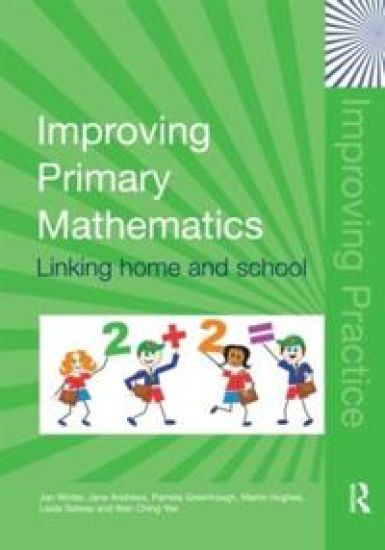
Improving Primary Mathematics provides primary teachers with practical ideas about how to bring these two worlds closer to improve children’s mathematics learning. Using a number of fascinating case studies focusing on children’s experiences of mathematics both inside and outside the classroom, the book asks: How do children use mathematics in their everyday lives? How can teachers use this knowledge to improve children’s learning in school? What activities can teachers use with parents to help share the ways that schools teach mathematics? What can parents do to support their children’s learning of mathematics?Tried-and-tested practical suggestions for activities to support and encourage children’s learning of mathematics include: making videos to share teaching methods; children taking photos to show how they use mathematics at home; inviting parents into school to share in mathematics learning; and numeracy-based activities for children and their parents to do together at home. All those involved in planning, teaching and supporting primary mathematics will benefit from new insights into how learning at home and at school can be brought together to strengthen and improve children’s learning of mathematics.
There has been much debate on the purposes and methods of assessment over the last couple of years. This book gathers together the latest thinking and looks at how assessment can be used to promote or inhibit learning. Unlike other books on the market, this one summarizes theory and shows how it can be best put into practice, using as little jargon as possible. Some of the issues discussed in this text include:* how assessment can erode self-esteem and motivation* how skills of reflection, self-evaluation and personal target setting can impact on learning* how far learners of all ages understand what they are required to learn* how far students are able to evaluate their own performance and what schools can do in the short, medium and long-term to promote more effective learning.Part of the What's In It For Schools series, this book is ideal for teachers and other non-academics concerned with education who require a grounding in the issue to help them in their daily work.