Kirjojen hintavertailu. Mukana 12 595 353 kirjaa ja 12 kauppaa.

Kirjailija

Jane Elliott

Kirjat ja teokset yhdessä paikassa: 13 kirjaa, julkaisuja vuosilta 2001-2021, suosituimpien joukossa The Microeconomic Mode. Vertaile teosten hintoja ja tarkista saatavuus suomalaisista kirjakaupoista.

13 kirjaa

Kirjojen julkaisuhaarukka 2001-2021.

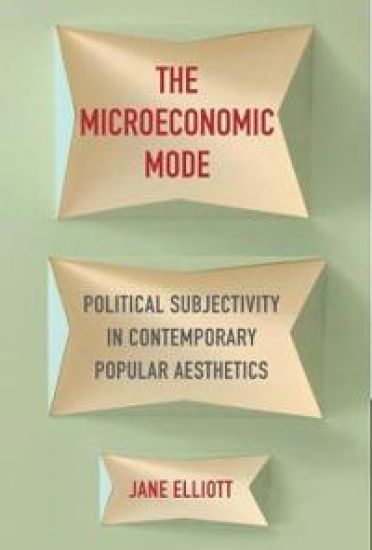
The Microeconomic Mode

The Microeconomic Mode

Jane Elliott

Columbia University Press
2021
pokkari
From The Road to Game of Thrones, across works as seemingly different as Gone Girl and Saw, literature, film, and television have become obsessed with the intersection of survival and choice. When the trapped rock-climber hero of 127 Hours is confronted with self-amputation or death, it is only a particularly blunt example of an omnipresent set-up. In real-life settings or fantastical games, protagonists find themselves confronting extreme scenarios with life-or-death consequences, forced to make torturous either-or choices in stripped-down, brutally stark environments.Jane Elliott identifies and analyzes this new and distinctive aesthetic phenomenon, which she calls “the microeconomic mode.” Through close readings of its narratives, tropes, and concepts, she traces the implicit theoretical and political claims conveyed by this combination of abstraction and extremity. In the microeconomic mode, humans isolated from any forms of social organization operate within a mini-economy of costs and benefits, gains and losses, measured in the currency of life. Elliott reads the key concepts that emerge from this aesthetic—life-interest, sovereign capture, and binary life—in relation to biopolitics and natural law theory, becoming and the control society, and primitive accumulation in racial capitalism. The microeconomic mode interrogates the destruction of the liberal political subject, but what it leaves in its place is as disturbing as it is radically new. Going beyond the question of neoliberalism in literature, The Microeconomic Mode combines revelatory close readings of key literary and popular texts with significant theoretical interventions to identify how an aesthetics of choice has reshaped our contemporary understanding of what it means to be human.
The Microeconomic Mode

The Microeconomic Mode

Jane Elliott

Columbia University Press
2018
sidottu
From The Road to Game of Thrones, across works as seemingly different as Gone Girl and Saw, literature, film, and television have become obsessed with the intersection of survival and choice. When the trapped rock-climber hero of 127 Hours is confronted with self-amputation or death, it is only a particularly blunt example of an omnipresent set-up. In real-life settings or fantastical games, protagonists find themselves confronting extreme scenarios with life-or-death consequences, forced to make torturous either-or choices in stripped-down, brutally stark environments.Jane Elliott identifies and analyzes this new and distinctive aesthetic phenomenon, which she calls “the microeconomic mode.” Through close readings of its narratives, tropes, and concepts, she traces the implicit theoretical and political claims conveyed by this combination of abstraction and extremity. In the microeconomic mode, humans isolated from any forms of social organization operate within a mini-economy of costs and benefits, gains and losses, measured in the currency of life. Elliott reads the key concepts that emerge from this aesthetic—life-interest, sovereign capture, and binary life—in relation to biopolitics and natural law theory, becoming and the control society, and primitive accumulation in racial capitalism. The microeconomic mode interrogates the destruction of the liberal political subject, but what it leaves in its place is as disturbing as it is radically new. Going beyond the question of neoliberalism in literature, The Microeconomic Mode combines revelatory close readings of key literary and popular texts with significant theoretical interventions to identify how an aesthetics of choice has reshaped our contemporary understanding of what it means to be human.
Exploring Data

Exploring Data

Catherine Marsh; Jane Elliott

Polity Press
2008
nidottu
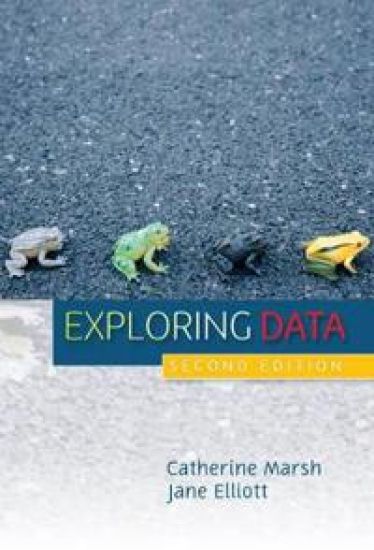
The updated edition of this classic text introduces a range of techniques for exploring quantitative data. Beginning with an emphasis on descriptive statistics and graphical approaches, it moves on in later chapters to simple strategies for examining the associations between variables using inferential statistics such as chi squared. The book has been substantially revised to include the most recent approaches to data analysis, and includes step-by-step instructions on using SPSS. All these techniques are illustrated with intriguing real examples, drawn from important social research over the past three decades, designed to illuminate significant sociological and political debates. The book shows how students can use quantitative data to answer various questions: Is it true that the rich are getting richer and the poor are getting poorer? Are crime rates really going down, and how can we tell? How much alcohol do men and women really drink in an average week? Which country in Europe has the highest average working hours? Readers are encouraged to explore data for themselves, and are carefully guided through the opportunities and pitfalls of using statistical packages, as well as the numerous data sources readily available online. Suitable for those with no previous experience of quantitative data analysis, the second edition of Exploring Data will be invaluable to students across the social sciences. Download answers to exercises in book.
Exploring Data

Exploring Data

Catherine Marsh; Jane Elliott

Polity Press
2008
sidottu
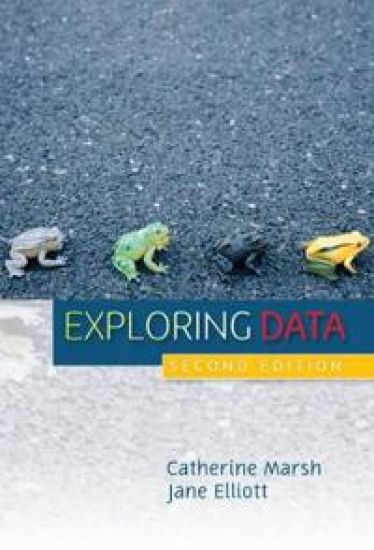
The updated edition of this classic text introduces a range of techniques for exploring quantitative data. Beginning with an emphasis on descriptive statistics and graphical approaches, it moves on in later chapters to simple strategies for examining the associations between variables using inferential statistics such as chi squared. The book has been substantially revised to include the most recent approaches to data analysis, and includes step-by-step instructions on using SPSS. All these techniques are illustrated with intriguing real examples, drawn from important social research over the past three decades, designed to illuminate significant sociological and political debates. The book shows how students can use quantitative data to answer various questions: Is it true that the rich are getting richer and the poor are getting poorer? Are crime rates really going down, and how can we tell? How much alcohol do men and women really drink in an average week? Which country in Europe has the highest average working hours? Readers are encouraged to explore data for themselves, and are carefully guided through the opportunities and pitfalls of using statistical packages, as well as the numerous data sources readily available online. Suitable for those with no previous experience of quantitative data analysis, the second edition of Exploring Data will be invaluable to students across the social sciences. Download answers to exercises in book.
The Little Prisoner

The Little Prisoner

Jane Elliott

HARPER PERENNIAL
2008
nidottu
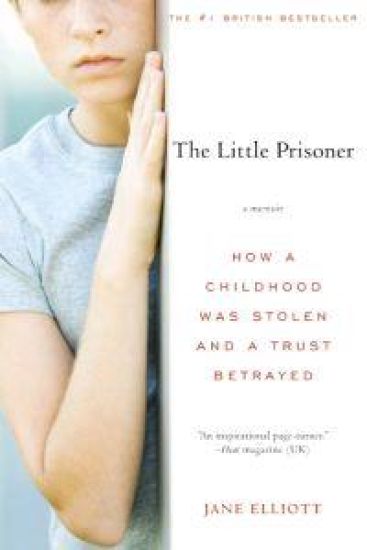
When Jane Elliott was four years old, the nightmare began. She became the helpless victim of a sociopath--bullied, dominated, and sexually abused by a man only fourteen years her senior: her stepfather. For nearly two decades she was held prisoner, both physically and emotionally. But at the age of twenty-one she escaped . . . and then she fought back.The Little Prisoner is the shocking, astonishing, and ultimately uplifting true story of one woman's shattering twenty-year ordeal--and how she triumphed against an evil and violent human monster when honesty and bravery were her only weapons.
Sadie

Sadie

Jane Elliott

HarperCollins
2007
nidottu
The explosive first novel from the author of the bestselling ‘The Little Prisoner’ is a gripping tale of a woman whose troubled childhood comes back to haunt her. In the chill of a winter's morning, a sweet and likeable 13-year-old girl unexpectedly gives birth in the bathroom of her council flat. The baby, the product of a brutal rape by her stepfather, is whisked away to hospital and is eventually adopted by a rich suburban couple. As far as everyone is concerned, Sadie will never see the baby again. The girl, Sadie Burrows, survives her ordeal and goes on to become a successful businesswoman, famous in the media, even courted by politicians as an example of young enterprise. Then, out of the blue, there is a knock at the door. And Sadie's shameful secret comes back to haunt her. Sadie, the first novel by best selling author of ‘The Little Prisoner’ Jane Elliott, is an explosive story of abuse, business, love, success, blackmail, murder and cover-up.
Little Prisoner

Little Prisoner

Jane Elliott

Harpercollins Publishers
2005
pokkari
An inspirational true story of a 4 year old girl who fell into the power of a man whose evil knew no bounds. She encountered terrifying mental and physical torture from her psychopathic stepfather for a period of 17 years until she managed to break free, her spirit still unbroken
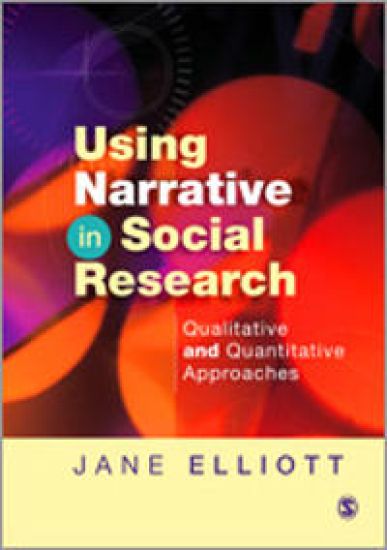
Using Narrative in Social Research

Using Narrative in Social Research

Jane Elliott

SAGE Publications Inc
2005
sidottu
'Jane Elliott's examination of the use of "narrative" within the broad context of social science inquiry is a must-read for both qualitative and quantitative researchers, novice and expert alike' - Journal of Advanced Nursing `This important book does an impressive job of synthesising a complex literature and bringing together both qualitative and quantitative methods of narrative analysis. It will become a milestone in the development of narrative methods. Although ground-breaking in many ways, it is very clearly written and accessible to readers from a wide variety of backgrounds and methodological experience' - Nigel Gilbert, University of Surrey `An elegantly written, scholarly and accessible text. Jane Elliott shows a sophisticated appreciation of contemporary methodological developments, and makes a persuasive case for the use of narrative approaches in both qualitative and quantitative research. The book challenges and advances debates about combining methods, and shows how stories can work within and across conventional research boundaries. It is a truly original contribution to the literature' - Amanda Coffey, Cardiff School of Social Sciences `An outstanding book. Jane Elliott breaks new ground by demonstrating to new generations of social scientists how the power of narrative can fruitfully be harnessed in social research. This is a "must read" book' - Professor Mike Savage, University of Manchester This is a lucid and accessible introduction to narrative methods in social research. It is also an important book about the nature, role and theoretical basis of research methodology in general. Jane Elliott instructs the reader on the basic methods and methodological assumptions that form the basis of narrative methods. She does so in a way that is practical and accessible and in a way that will make the book a favourite with students and experienced researchers alike. Elliott argues that both qualitative and quantitative methods are characterised by a concern with narrative, and that our research data can best be analyzed if it is seen in narrative terms. In concrete, step-by-step terms she details for the reader how to go about collecting data and how to subject that data to narrative analysis, while at the same time placing this process in its wider theoretical context. She works across the traditional quantitative/qualitative divide to set out the ways in which narrative researchers can uncover such issues as social change, causality and social identity. She also shows how the techniques and skills used by qualitative researchers can be deployed when doing quantitative research and, similarly, how qualitative researchers can sometimes profit from using quantitative skills and techniques. "This book provides both a fascinating and a challenging read. What sets this text apart from other books on research methodology and methods is that it does not focus exclusively on either quantitative or qualitative research approaches, but rather attempts to bridge the divide. The book should be compulsory reading not only for those aspiring to undertake narrative research and those students undertaking higher degree research courses, but also for those more experienced researches wishing to explore contemporary issues in research methods and methodology. As a recent recruit to a lecturer-practitioner post with little recnt experience in the subject area covered by this book, i found it met my needs very well. I would certainly recomment this book for purchase." Dr Andrew Pettipher, University of Nottingham, UK.
Using Narrative in Social Research

Using Narrative in Social Research

Jane Elliott

SAGE Publications Inc
2005
nidottu
'Jane Elliott's examination of the use of "narrative" within the broad context of social science inquiry is a must-read for both qualitative and quantitative researchers, novice and expert alike' - Journal of Advanced Nursing `This important book does an impressive job of synthesising a complex literature and bringing together both qualitative and quantitative methods of narrative analysis. It will become a milestone in the development of narrative methods. Although ground-breaking in many ways, it is very clearly written and accessible to readers from a wide variety of backgrounds and methodological experience' - Nigel Gilbert, University of Surrey `An elegantly written, scholarly and accessible text. Jane Elliott shows a sophisticated appreciation of contemporary methodological developments, and makes a persuasive case for the use of narrative approaches in both qualitative and quantitative research. The book challenges and advances debates about combining methods, and shows how stories can work within and across conventional research boundaries. It is a truly original contribution to the literature' - Amanda Coffey, Cardiff School of Social Sciences `An outstanding book. Jane Elliott breaks new ground by demonstrating to new generations of social scientists how the power of narrative can fruitfully be harnessed in social research. This is a "must read" book' - Professor Mike Savage, University of Manchester This is a lucid and accessible introduction to narrative methods in social research. It is also an important book about the nature, role and theoretical basis of research methodology in general. Jane Elliott instructs the reader on the basic methods and methodological assumptions that form the basis of narrative methods. She does so in a way that is practical and accessible and in a way that will make the book a favourite with students and experienced researchers alike. Elliott argues that both qualitative and quantitative methods are characterised by a concern with narrative, and that our research data can best be analyzed if it is seen in narrative terms. In concrete, step-by-step terms she details for the reader how to go about collecting data and how to subject that data to narrative analysis, while at the same time placing this process in its wider theoretical context. She works across the traditional quantitative/qualitative divide to set out the ways in which narrative researchers can uncover such issues as social change, causality and social identity. She also shows how the techniques and skills used by qualitative researchers can be deployed when doing quantitative research and, similarly, how qualitative researchers can sometimes profit from using quantitative skills and techniques. "This book provides both a fascinating and a challenging read. What sets this text apart from other books on research methodology and methods is that it does not focus exclusively on either quantitative or qualitative research approaches, but rather attempts to bridge the divide. The book should be compulsory reading not only for those aspiring to undertake narrative research and those students undertaking higher degree research courses, but also for those more experienced researches wishing to explore contemporary issues in research methods and methodology. As a recent recruit to a lecturer-practitioner post with little recnt experience in the subject area covered by this book, i found it met my needs very well. I would certainly recomment this book for purchase." Dr Andrew Pettipher, University of Nottingham, UK.
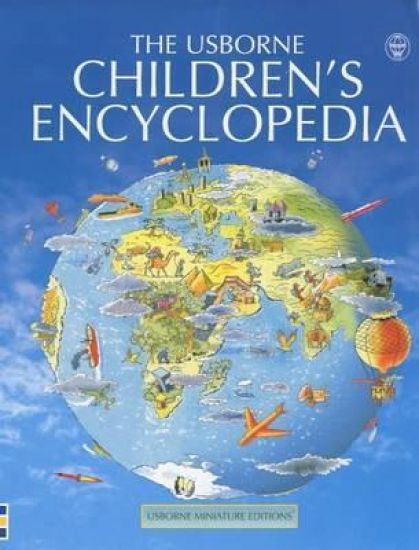
Children's Encyclopedia Mini

Children's Encyclopedia Mini

Jane Elliott; Angela Wilkes

Usborne Publishing Ltd
2001
sidottu
Packed with facts, this miniature encyclopaedia is designed to be both fascinating and fun to use and covers a vast scope of information, from the Earth, its plants and animals, to its people and discoveries.
Little Prisoner

Little Prisoner

Jane Elliott

HARPERCOLLINS PUBLISHERS
2020
nidottu
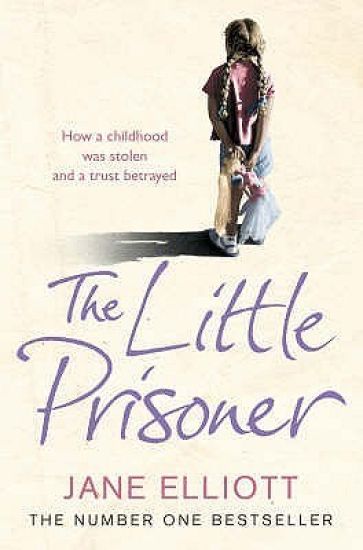
From the age of four, Jane Elliott was forced to carry a terrible secret...Dominated, bullied and sexually abused by her stepfather for 17 years, The Little Prisoner is a devastating true story of one girl's struggle from freedom.
Little Prisoner

Little Prisoner

Jane Elliott

HARPERCOLLINS PUBLISHERS
2006
pokkari
An inspirational true story of a 4 year old girl who fell into the power of a man whose evil knew no bounds. She encountered terrifying mental and physical torture from her psychopathic stepfather for a period of 17 years until she managed to break free, her spirit still unbroken