Kirjojen hintavertailu. Mukana 12 595 353 kirjaa ja 12 kauppaa.

Kirjailija

Jane Hughes

Kirjat ja teokset yhdessä paikassa: 8 kirjaa, julkaisuja vuosilta 2009-2027, suosituimpien joukossa Hand Drafting for Interior Design. Vertaile teosten hintoja ja tarkista saatavuus suomalaisista kirjakaupoista.

8 kirjaa

Kirjojen julkaisuhaarukka 2009-2027.

Hand Drafting for Interior Design

Hand Drafting for Interior Design

Jane Hughes; Diana Bennett Wirtz Kingsley; Jeanne Diehl-Shaffer

BLOOMSBURY PUBLISHING PLC
2027
nidottu
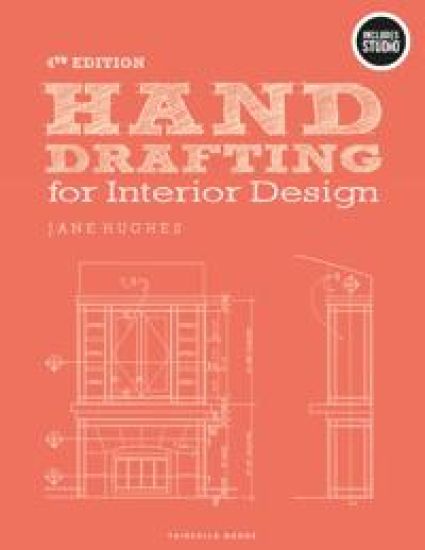
The 4th Edition of Hand Drafting for Interior Design demonstrates how to effectively communicate and create beautiful interior design drawings through a combination of traditional and digital methods. This text covers numerous architectural design drawings across the spectrum, such as furniture and plants, interior materials, interior elevations, electrical and lighting plans, kitchen and baths, and building sections. Visual examples are provided to cover drawings across the interior design disciplines, including detailed illustrations of hand draft perspective drawings and study details of stairs, ramps, elevators, and wall types. All hand-drafting techniques are accompanied by exercises and videos. This edition will also aid you with the updated CIDA Standard 15. New to this Edition: · Features three new chapters: Architectural Drawings: Elements and Standards, Types of Perspective Drawing, and Collaborating with Digital Tools and Software · Expanded coverage on Space Planning Techniques to include space adjacencies, bubble diagrams, diagramming/planning, and engaging columns · New drawing examples and detailed visuals and explanations of stairs, ramps, elevators, and wall types · Includes brand-new step-by-step videos teaching key drafting techniques · Includes imperial and metric units for dimensions Instructor Resources · PowerPoint® presentations include images from the book and provide a framework for lecture and discussion · Instructor's Guide provides suggestions for using the text in the classroom and planning the course with sample syllabi, a test bank, and supplemental assignments STUDIO Features · Study smarter with self-quizzes featuring scored results and personalized study tips · Review concepts with flashcards of terms and definitions and image identification · Step-by-step videos teaching key drafting techniques

Greed Gone Good

Greed Gone Good

Jane Hughes

Routledge
2021
sidottu
Greed Gone Good: A Roadmap to Creating Social and Financial Value brings the how-tos of impact finance to a broad- based audience of investors, from the individual to the institutional. Written in an engaging, jargon-free style and loaded with practical advice, it explores the pitfalls and potential of the burgeoning impact revolution—the increasingly widespread belief that business and financial leaders should weigh social value as well as financial value in all of their decisions, to create both a better business model and a better world. Cheerleaders have written a number of books advocating the magic of impact finance. Greed Gone Good hopes for the magic too, but also believes that an uncritical eye does not effectively advance the cause. We now have 10 years of impact investing history to examine, and not all of it is laudable. We could hold hands and sing Kumbaya in praise of impact finance; or we could employ constructive criticism to figure out what’s gone well and what hasn’t, and how we should move forward more productively. Greed Gone Good focuses on the roadmap—how to reorient and repackage finance and investing in order to deliver on this promise. In particular, it focuses on how to realize the potential of the impact revolution to become a silver bullet against future failures. Green Gone Good will have widespread appeal to investors ranging from individuals and family offices to the world’s largest asset managers and investors.
Greed Gone Good

Greed Gone Good

Jane Hughes

Routledge
2021
nidottu
Greed Gone Good: A Roadmap to Creating Social and Financial Value brings the how-tos of impact finance to a broad- based audience of investors, from the individual to the institutional. Written in an engaging, jargon-free style and loaded with practical advice, it explores the pitfalls and potential of the burgeoning impact revolution—the increasingly widespread belief that business and financial leaders should weigh social value as well as financial value in all of their decisions, to create both a better business model and a better world. Cheerleaders have written a number of books advocating the magic of impact finance. Greed Gone Good hopes for the magic too, but also believes that an uncritical eye does not effectively advance the cause. We now have 10 years of impact investing history to examine, and not all of it is laudable. We could hold hands and sing Kumbaya in praise of impact finance; or we could employ constructive criticism to figure out what’s gone well and what hasn’t, and how we should move forward more productively. Greed Gone Good focuses on the roadmap—how to reorient and repackage finance and investing in order to deliver on this promise. In particular, it focuses on how to realize the potential of the impact revolution to become a silver bullet against future failures. Green Gone Good will have widespread appeal to investors ranging from individuals and family offices to the world’s largest asset managers and investors.
Greater Than a Tourist - Mackinac Island Michigan USA

Greater Than a Tourist - Mackinac Island Michigan USA

Greater Than a Tourist; Jane Hughes

Independently Published
2019
pokkari
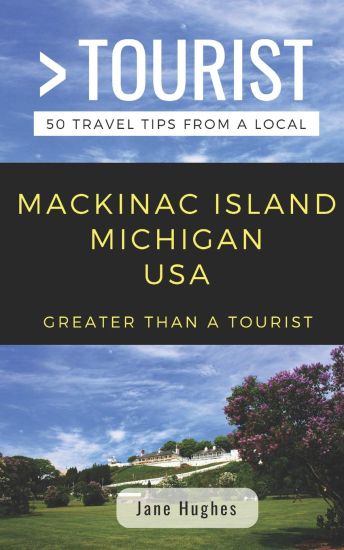
Are you excited about planning your next trip?Do you want to try something new?Would you like some guidance from a local?If you answered yes to any of these questions, then this Greater Than a Tourist book is for you.Greater Than a Tourist- Mackinac Island Michigan USA by Jane Hughes offers the inside scoop on Mackinac Island . Most travel books tell you how to travel like a tourist. Although there is nothing wrong with that, as part of the Greater Than a Tourist series, this book will give you travel tips from someone who has lived at your next travel destination.In these pages, you will discover advice that will help you throughout your stay. This book will not tell you exact addresses or store hours but instead will give you excitement and knowledge from a local that you may not find in other smaller print travel books.Travel like a local. Slow down, stay in one place, and get to know the people and the culture. By the time you finish this book, you will be eager and prepared to travel to your next destination.
Supporting People with Dementia at Home

Supporting People with Dementia at Home

David Challis; Caroline Sutcliffe; Jane Hughes; Richard von Abendorff; Pamela Brown; John Chesterman

Routledge
2016
nidottu
Supporting People with Dementia at Home details a groundbreaking study of an intensive care management scheme designed for older people with dementia that are at risk of entry into residential care. The authors use a quasi-experimental approach to compare how the individuals on the mental health team in one community were matched to a similar community without the service. They analyze the evidence focusing on the eventual placement of the individual suffering, the quality of care they receive, and also the needs of their carers. This book offers valuable evidence about the factors which can maximize the independence and well being of older people with dementia, from the perspective of older people and their carers. For those who commission services, it is highly relevant to service models for the National Dementia Strategy in England.
Supporting People with Dementia at Home

Supporting People with Dementia at Home

David Challis; Caroline Sutcliffe; Jane Hughes; Richard von Abendorff; Pamela Brown; John Chesterman

Ashgate Publishing Limited
2009
sidottu
Supporting People with Dementia at Home details a groundbreaking study of an intensive care management scheme designed for older people with dementia that are at risk of entry into residential care. The authors use a quasi-experimental approach to compare how the individuals on the mental health team in one community were matched to a similar community without the service. They analyze the evidence focusing on the eventual placement of the individual suffering, the quality of care they receive, and also the needs of their carers. This book offers valuable evidence about the factors which can maximize the independence and well being of older people with dementia, from the perspective of older people and their carers. For those who commission services, it is highly relevant to service models for the National Dementia Strategy in England.