Kirjojen hintavertailu. Mukana 12 390 323 kirjaa ja 12 kauppaa.

Kirjailija

Jane Riddoch

Kirjat ja teokset yhdessä paikassa: 7 kirjaa, julkaisuja vuosilta 2012-2018, suosituimpien joukossa BCoS Cognitive Screen. Vertaile teosten hintoja ja tarkista saatavuus suomalaisista kirjakaupoista.

7 kirjaa

Kirjojen julkaisuhaarukka 2012-2018.

A Reader in Visual Agnosia

A Reader in Visual Agnosia

Glyn Humphreys; Jane Riddoch

Routledge
2018
nidottu
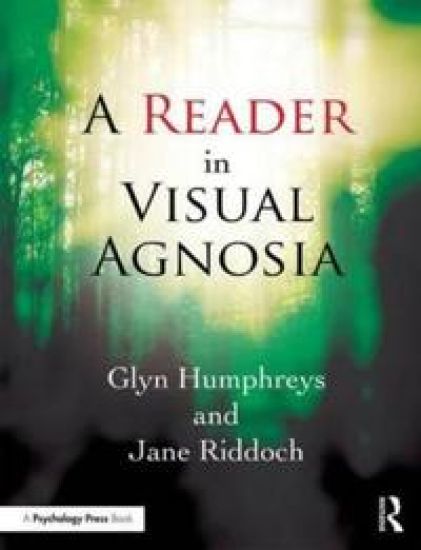
The case study of John has provided a unique insight into the nature of visual agnosia and more broadly into the underlying processes which support human vision. After suffering a stroke, John had problems in recognizing common objects, faces, seeing colours, reading and finding his way around his environment. A Reader in Visual Agnosia brings together the primary scientific papers describing the detailed investigations for each visual problem which the authors carried out with John, known as patient HJA. This work was summarised initially in To See But Not To See (1987), and 26 years later in A Case Study in Visual Agnosia Revisited (2013). The chapters are divided into 6 parts corresponding to the key areas of investigation: Integrative visual agnosia Perception of global form Face perception Colour perception Word recognition Changes over timeEach part contains a short introduction, written by the two leading researchers who worked with John, which highlights the relations between the papers and demonstrates the pathway of the case analysis. The book will be invaluable to students and researchers in visual cognition, cognitive neuropsychology and vision neuroscience.
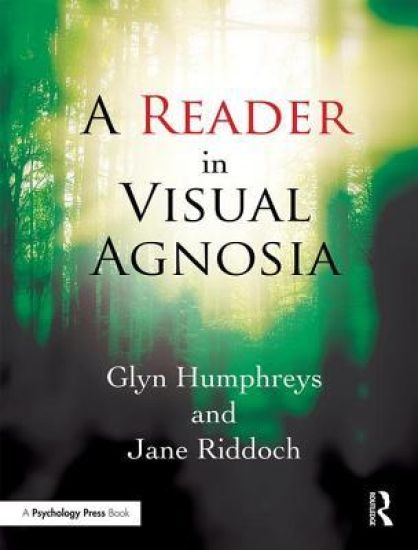
A Reader in Visual Agnosia

A Reader in Visual Agnosia

Glyn Humphreys; Jane Riddoch

Routledge
2015
sidottu
The case study of John has provided a unique insight into the nature of visual agnosia and more broadly into the underlying processes which support human vision. After suffering a stroke, John had problems in recognizing common objects, faces, seeing colours, reading and finding his way around his environment. A Reader in Visual Agnosia brings together the primary scientific papers describing the detailed investigations for each visual problem which the authors carried out with John, known as patient HJA. This work was summarised initially in To See But Not To See (1987), and 26 years later in A Case Study in Visual Agnosia Revisited (2013). The chapters are divided into 6 parts corresponding to the key areas of investigation: Integrative visual agnosia Perception of global form Face perception Colour perception Word recognition Changes over timeEach part contains a short introduction, written by the two leading researchers who worked with John, which highlights the relations between the papers and demonstrates the pathway of the case analysis. The book will be invaluable to students and researchers in visual cognition, cognitive neuropsychology and vision neuroscience.
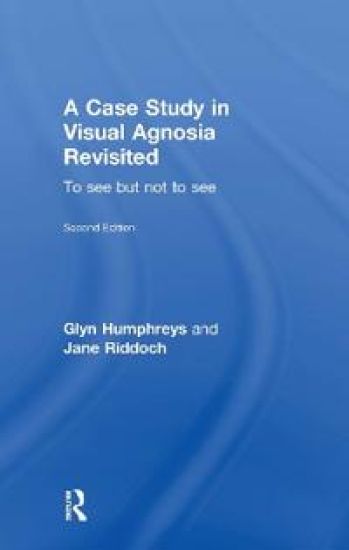
A Case Study in Visual Agnosia Revisited

A Case Study in Visual Agnosia Revisited

Glyn Humphreys; Jane Riddoch

Psychology Press Ltd
2013
sidottu
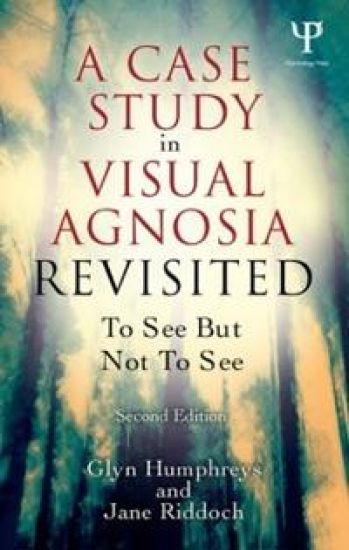
Visual agnosia is a rare but fascinating disorder of visual object recognition that can occur after a brain lesion. This book documents the case of John, who worked intensively with the authors for 26 years after acquiring visual agnosia following a stroke. It revisits John’s case over twenty years after it was originally described in the book To See But Not To See, in 1987. As in the previous book, the condition is illuminated by John and his wife, Iris, in their own words.A Case Study in Visual Agnosia Revisited discusses John’s case in the context of research into the cognitive neuroscience of vision over the past twenty years. It shows how John’s problems in recognition can provide important insights into the way that object recognition happens in the brain, with the results obtained in studies of John’s perception being compared to emerging work from brain imaging in normal observers. The book presents a much fuller analysis of the variety of perceptual problems that John experienced, detailing not only his impaired object recognition but also his face processing, his processing of different visual features (colour, motion, depth), his ability to act on and negotiate his environment, and his reading and writing.A Case Study in Visual Agnosia Revisited will be a key reference for those concerned with understanding how vision is implemented in the brain. It will be suitable for both undergraduate students taking courses in cognitive psychology and neuropsychology, and also researchers in the cognitive neuroscience of vision. The presentation of John’s case, and the human aspects of the disorder, will also be of great interest to a general audience of lay people interested in perception.
A Case Study in Visual Agnosia Revisited

A Case Study in Visual Agnosia Revisited

Glyn Humphreys; Jane Riddoch

Psychology Press Ltd
2013
nidottu
Visual agnosia is a rare but fascinating disorder of visual object recognition that can occur after a brain lesion. This book documents the case of John, who worked intensively with the authors for 26 years after acquiring visual agnosia following a stroke. It revisits John’s case over twenty years after it was originally described in the book To See But Not To See, in 1987. As in the previous book, the condition is illuminated by John and his wife, Iris, in their own words.A Case Study in Visual Agnosia Revisited discusses John’s case in the context of research into the cognitive neuroscience of vision over the past twenty years. It shows how John’s problems in recognition can provide important insights into the way that object recognition happens in the brain, with the results obtained in studies of John’s perception being compared to emerging work from brain imaging in normal observers. The book presents a much fuller analysis of the variety of perceptual problems that John experienced, detailing not only his impaired object recognition but also his face processing, his processing of different visual features (colour, motion, depth), his ability to act on and negotiate his environment, and his reading and writing.A Case Study in Visual Agnosia Revisited will be a key reference for those concerned with understanding how vision is implemented in the brain. It will be suitable for both undergraduate students taking courses in cognitive psychology and neuropsychology, and also researchers in the cognitive neuroscience of vision. The presentation of John’s case, and the human aspects of the disorder, will also be of great interest to a general audience of lay people interested in perception.