

Kirjailija
Janice Richardson
Kirjat ja teokset yhdessä paikassa: 9 kirjaa, julkaisuja vuosilta 2004-2025, suosituimpien joukossa Feel the Connection. Vertaile teosten hintoja ja tarkista saatavuus suomalaisista kirjakaupoista.
9 kirjaa
Kirjojen julkaisuhaarukka 2004-2025.
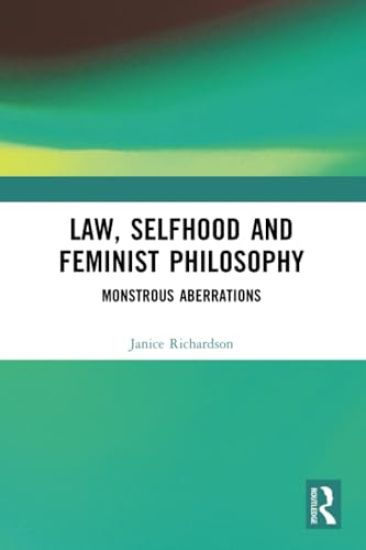
At the intersection of law, feminism and philosophy, this book analyses the ways in which certain bodies and ‘selves’ continue to be treated as monstrous aberrations from the ‘ideal’ figure or norm. Employing contemporary feminist philosophy to rethink accepted legal ideas, the book is divided into three sections. The first focuses on the different relational ontologies of philosophers Adriana Cavarero and Christine Battersby – also considering their work via a third term: Spinoza. The second turns to diverse feminist engagements with the social contract theorists. The third section employs insights from throughout the book to focus more explicitly on law – and, in particular privacy law and the so-called ‘wrongful birth’ cases. Bringing together more than twenty years of sustained reflection, this book offers an insightful account of how contemporary feminist philosophy can contribute to a richer understanding of law.It will be of enormous interest to scholars and students working in the areas of legal theory, feminist thought and philosophy.
At the intersection of law, feminism and philosophy, this book analyses the ways in which certain bodies and ‘selves’ continue to be treated as monstrous aberrations from the ‘ideal’ figure or norm. Employing contemporary feminist philosophy to rethink accepted legal ideas, the book is divided into three sections. The first focuses on the different relational ontologies of philosophers Adriana Cavarero and Christine Battersby – also considering their work via a third term: Spinoza. The second turns to diverse feminist engagements with the social contract theorists. The third section employs insights from throughout the book to focus more explicitly on law – and, in particular privacy law and the so-called ‘wrongful birth’ cases. Bringing together more than twenty years of sustained reflection, this book offers an insightful account of how contemporary feminist philosophy can contribute to a richer understanding of law.It will be of enormous interest to scholars and students working in the areas of legal theory, feminist thought and philosophy.

Situating privacy within the context of political philosophy, this book highlights the way in which struggles concerning the meaning of privacy have always been political. Different conceptions of privacy are here shown to involve diverse assumptions about ontology: our conceptions of self, culture, society and communication. Privacy theory’s debt to Locke, Kant or Mill, and what is at stake in their conceptual frameworks, is examined. The extent to which the term "privacy" has been used to the detriment of - and to create - weaker parties in marriage, in the workplace and now as citizens (or non-citizens) and consumers, as well as employees, is also demonstrated. In contrast, Janice Richardson pursues the relevance of Floridi’s philosophy of information, before turning to her application of Spinoza, the philosopher of communication, in order to outline a more useful framework through which to think about privacy today. The book will be of interest to those working in political philosophy, feminist philosophy, law, the philosophy of information, sociology, media, and cultural studies.
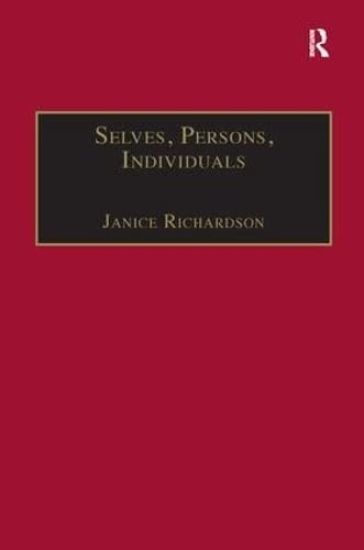
Whilst feminist philosophy has frequently engaged with political theory, this original book instead considers legal theory and the practical operation of law. The work considers some of the contested meanings of what it is to be a self, a person or an individual in relation to the law of obligations. The discussion still impacts upon political theory as it concerns the way in which the question of what it is to be a woman has been defined within recent feminist theory. In order to overcome what appears to be a block in feminist legal theory, the book draws together areas of philosophy which are not normally considered within feminist or legal theory.

How can we live together without subordination and oppression? What does it mean to treat each other as free and equal persons? This book uses contemporary feminist insights to examine aspects of the classic social contractarians' arguments, focusing specifically upon the work of Hobbes, Spinoza, Locke, Rousseau and Kant. Considering the relationship between the 'self' and the law, this volume also looks at the points at issue between feminist political theorists and considers the usefulness of contractarian arguments for feminist politics today, together with an examination of the relationship between their political, legal and moral analyses.

Situating privacy within the context of political philosophy, this book highlights the way in which struggles concerning the meaning of privacy have always been political. Different conceptions of privacy are here shown to involve diverse assumptions about ontology: our conceptions of self, culture, society and communication. Privacy theory’s debt to Locke, Kant or Mill, and what is at stake in their conceptual frameworks, is examined. The extent to which the term "privacy" has been used to the detriment of - and to create - weaker parties in marriage, in the workplace and now as citizens (or non-citizens) and consumers, as well as employees, is also demonstrated. In contrast, Janice Richardson pursues the relevance of Floridi’s philosophy of information, before turning to her application of Spinoza, the philosopher of communication, in order to outline a more useful framework through which to think about privacy today. The book will be of interest to those working in political philosophy, feminist philosophy, law, the philosophy of information, sociology, media, and cultural studies.

How can we live together without subordination and oppression? What does it mean to treat each other as free and equal persons? This book uses contemporary feminist insights to examine aspects of the classic social contractarians' arguments, focusing specifically upon the work of Hobbes, Spinoza, Locke, Rousseau and Kant. Considering the relationship between the 'self' and the law, this volume also looks at the points at issue between feminist political theorists and considers the usefulness of contractarian arguments for feminist politics today, together with an examination of the relationship between their political, legal and moral analyses.
Whilst feminist philosophy has frequently engaged with political theory, this original book instead considers legal theory and the practical operation of law. The work considers some of the contested meanings of what it is to be a self, a person or an individual in relation to the law of obligations. The discussion still impacts upon political theory as it concerns the way in which the question of what it is to be a woman has been defined within recent feminist theory. In order to overcome what appears to be a block in feminist legal theory, the book draws together areas of philosophy which are not normally considered within feminist or legal theory.