Kirjojen hintavertailu. Mukana 12 390 323 kirjaa ja 12 kauppaa.

Kirjailija

Janina Falkowska

Kirjat ja teokset yhdessä paikassa: 3 kirjaa, julkaisuja vuosilta 1996-2007, suosituimpien joukossa The Political Films of Andrzej Wajda. Vertaile teosten hintoja ja tarkista saatavuus suomalaisista kirjakaupoista.

3 kirjaa

Kirjojen julkaisuhaarukka 1996-2007.

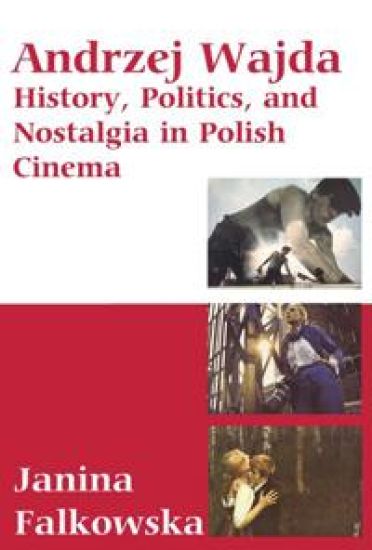
Andrzej Wajda

Andrzej Wajda

Janina Falkowska

Berghahn Books
2007
pokkari
The work of Andrzej Wajda, one of the world’s most important filmmakers, shows remarkable cohesion in spite of the wide ranging scope of his films, as this study of his complete output of feature films shows. Not only do his films address crucial historical, social and political issues; the complexity of his work is reinforced by the incorporation of the elements of major film and art movements. It is the reworking of these different elements by Wajda, as the author shows, which give his films their unique visual and aural qualities.
Andrzej Wajda

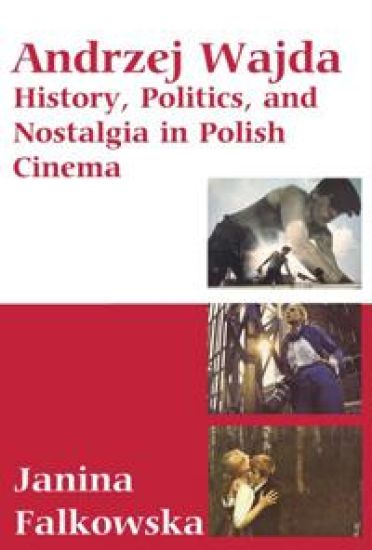
Andrzej Wajda

Janina Falkowska

Berghahn Books
2006
sidottu
The work of Andrzej Wajda, one of the world’s most important filmmakers, shows remarkable cohesion in spite of the wide ranging scope of his films, as this study of his complete output of feature films shows. Not only do his films address crucial historical, social and political issues; the complexity of his work is reinforced by the incorporation of the elements of major film and art movements. It is the reworking of these different elements by Wajda, as the author shows, which give his films their unique visual and aural qualities.
The Political Films of Andrzej Wajda

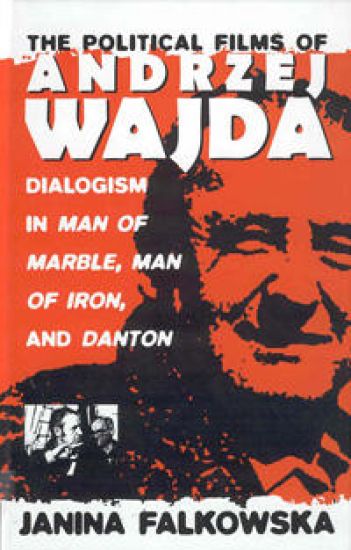
The Political Films of Andrzej Wajda

Janina Falkowska

Berghahn Books, Incorporated
1996
sidottu
Andrzej Wajda is considered one of Poland's - many would say the world's - greatest film directors. During the thirty-five years of his activity in film, theatre or television, his work, whether strong or weak, always arouses strong emotions and provokes intense debates in the media. His films deal with historical and political issues concerning Polish character and the nature of political power. Controversial, painful, stimulating and cinematically beautiful, they never fail to fully engage the spectator. This is particularly true for his major political films, which form the basis of the study. Applying Bakhtin's concept of dialogism, the author shows how a creative interaction between the image on the screen and the viewer is established through Wajda's films. At the same time, she offers a detailed analysis of the historical events leading up to the collapse of the Socialist system in Poland.