Kirjojen hintavertailu. Mukana 12 390 323 kirjaa ja 12 kauppaa.

Kirjailija

Janne Lahti

Kirjat ja teokset yhdessä paikassa: 8 kirjaa, julkaisuja vuosilta 2012-2026, suosituimpien joukossa Kolonialismin muokkaama maailma. Vertaile teosten hintoja ja tarkista saatavuus suomalaisista kirjakaupoista.

8 kirjaa

Kirjojen julkaisuhaarukka 2012-2026.

Kolonialismin muokkaama maailma

Kolonialismin muokkaama maailma

Janne Lahti; Johanna Skurnik

Otava
2025
sidottu
Moniulotteinen kuvaus kolonialismin historiasta ja perinnöstä. Kolonialismi on muovannut maailmaa merkittävästi, ja se vaikuttaa yhä monin tavoin nykyajassa. Kolonialismi sortavine asenteineen asustaa eurooppalaisuuden ja länsimaisuuden ytimessä. Kolonialismin historia on monikerroksista ja moniäänistä. Kirjassa eurooppalaisen kolonialismin luomia valtasuhteita ja käytäntöjä avataan yksittäisten ihmisten ja ryhmien kokemusten kautta. Äänen saavat myös rodullistamisen kohteeksi joutuneet alkuperäiskansat. Teos valottaa eurooppalaisten imperiumien kehityskulkuja ja sisältää dramaattisia tarinoita. Kirja sitoo myös suomalaiset osaksi kolonialismin globaalia historiaa.
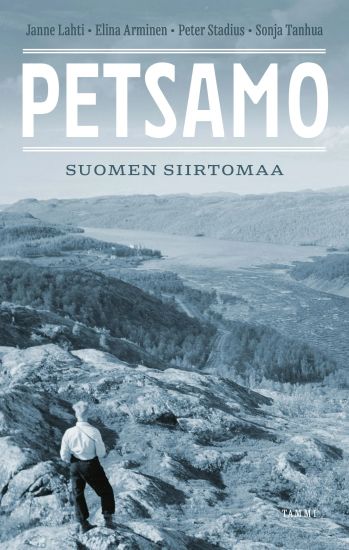
Petsamo – Suomen siirtomaa

Petsamo – Suomen siirtomaa

Janne Lahti; Elina Arminen; Peter Stadius; Sonja Tanhua

Tammi
2026
sidottu
Unelmien maa Jäämeren rannalla. Vuosien 1920-1944 ajan Suomen hallussa oli pohjoisessa Jäämeren rannalla kaistale, joka nähtiin Suomen siirtomaana. Millainen on Petsamon historia? Petsamossa rakennettiin 1900-luvun alkupuolella kansallisia tavoitteita, kansojen välisiä suhteita ja erontekoja. Suomalaiset pyrkivät tekemään tästä rajaseudusta kotiseutunsa vieden sinne kulttuurinsa ja koulujärjestelmänsä sekä yrittäen suomalaistaa sen monietnisen ja -kulttuurisen väestön. Petsamo sidottiin emämaahan niin asuttamisen, matkailun, kirjallisuuden ja teollisuuden kuin kunnianhimoisten liikennehankkeiden, kuten Jäämerentien, avulla. Siirtomaa-aika loppui kuitenkin yllättäen, kun hävityn sodan seurauksena Petsamo luovutettiin Neuvostoliitolle vuonna 1944. Petsamo - Suomen siirtomaa nostaa esille asuttajien näkökulmia, mutta myös alueella liikkuneiden matkailijoiden sekä taitelijoiden ajatuksia Petsamosta - alueen kolttasaamelaisen väestön kokemuksia Suomen siirtomaan alkuperäisinä asukkaina unohtamatta. FT Janne Lahti on yleisen historian dosentti Helsingin yliopistossa ja vanhempi tutkija Linné yliopistossa Ruotsissa. Hän on erikoistunut asutuskolonialismin ylirajaisiin ja globaaleihin historioihin. FT Sonja Tanhua on väitellyt vuonna 2023 saamelaisen kulttuurin oppiaineesta. Tanhua on tutkinut Petsamon ja kolttasaamelaisten historiaa ja kulttuuria jo yli kymmenen vuoden ajan. FT Elina Arminen on kirjallisuuden vanhempi yliopistonlehtori Itä-Suomen yliopistosta ja kotimaisen kirjallisuuden dosentti Turun yliopistossa. Hän on perehtynyt kaunokirjallisiin ja visuaalisiin aineistoihin pohjoista koskevana kulttuurisena muistina. FT Peter Stadius on historioitsija ja pohjoismaiden tutkimuksen professori Helsingin yliopistossa. Hän on tutkimuksessaan keskittynyt Pohjoismaihin alueena, niin ulkoa nähtyinä stereotypioina kuin sisäisesti toteutettuna yhteistyönä.
Cinematic Settlers

Cinematic Settlers

Janne Lahti; Rebecca Weaver-Hightower

Routledge
2020
nidottu
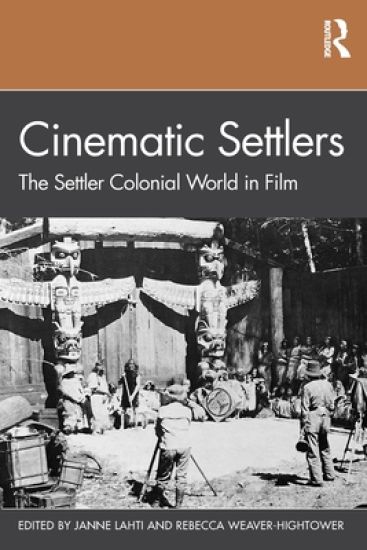
This anthology adds to the burgeoning field of settler colonial studies by examining settler colonial narratives in the under analyzed medium of film.Cinematic Settlers discusses different cinematic genres, national traditions, and specific movies in order to expose related threads, shared circulations of knowledge, and paralleled representations. Organized into thematic groupings—conquest, settlers, natives, and space—the contributors explore the question of how film compares to written genres and other visual media in representing and effecting settler colonialism on a global scale. Striving for inclusiveness, the volume covers different eras and settler colonial situations in Australia, New Zealand, Taiwan, Hawaii, the American West, Canada, Latin America, Russia, France, Algeria, German Africa, South Africa, and even the next frontier: outer space. By showing how films offer layered, contested, and dynamic settler colonial narratives that advance and challenge settler hegemonic readings, the essays enable students to better analyze and understand the complex history of diversity and colonialism in film.This book is important reading for undergraduate classes on the history of empire, colonialism, and film.
Cinematic Settlers

Cinematic Settlers

Janne Lahti; Rebecca Weaver-Hightower

Routledge
2020
sidottu
This anthology adds to the burgeoning field of settler colonial studies by examining settler colonial narratives in the under analyzed medium of film.Cinematic Settlers discusses different cinematic genres, national traditions, and specific movies in order to expose related threads, shared circulations of knowledge, and paralleled representations. Organized into thematic groupings—conquest, settlers, natives, and space—the contributors explore the question of how film compares to written genres and other visual media in representing and effecting settler colonialism on a global scale. Striving for inclusiveness, the volume covers different eras and settler colonial situations in Australia, New Zealand, Taiwan, Hawaii, the American West, Canada, Latin America, Russia, France, Algeria, German Africa, South Africa, and even the next frontier: outer space. By showing how films offer layered, contested, and dynamic settler colonial narratives that advance and challenge settler hegemonic readings, the essays enable students to better analyze and understand the complex history of diversity and colonialism in film.This book is important reading for undergraduate classes on the history of empire, colonialism, and film.
The American West and the World

The American West and the World

Janne Lahti

Routledge
2018
nidottu
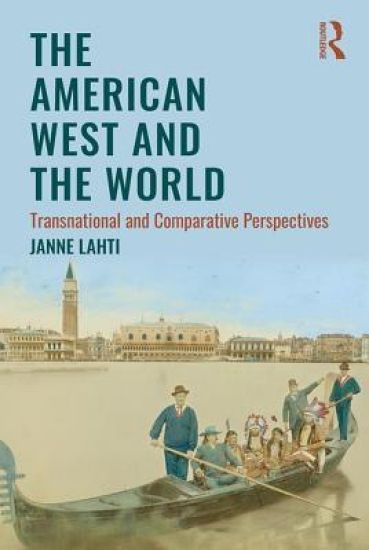
The American West and the World provides a synthetic introduction to the transnational history of the American West. Drawing from the insights of recent scholarship, Janne Lahti recenters the history of the U.S. West in the global contexts of empires and settler colonialism, discussing exploration, expansion, migration, violence, intimacies, and ideas. Lahti examines established subfields of Western scholarship, such as borderlands studies and transnational histories of empire, as well as relatively unexplored connections between the West and geographically nonadjacent spaces. Lucid and incisive, The American West and the World firmly situates the historical West in its proper global context.
The American West and the World

The American West and the World

Janne Lahti

Routledge
2018
sidottu
The American West and the World provides a synthetic introduction to the transnational history of the American West. Drawing from the insights of recent scholarship, Janne Lahti recenters the history of the U.S. West in the global contexts of empires and settler colonialism, discussing exploration, expansion, migration, violence, intimacies, and ideas. Lahti examines established subfields of Western scholarship, such as borderlands studies and transnational histories of empire, as well as relatively unexplored connections between the West and geographically nonadjacent spaces. Lucid and incisive, The American West and the World firmly situates the historical West in its proper global context.
Wars for Empire

Wars for Empire

Janne Lahti

University of Oklahoma Press
2017
sidottu
After the end of the U.S.-Mexican War in 1848, the Southwest Borderlands remained hotly contested territory. Over following decades, the United States government exerted control in the Southwest by containing, destroying, segregating, and deporting indigenous peoples - in essence conducting an extended military campaign that culminated with the capture of Geronimo and the forced removal of the Chiricahua Apaches in 1886. In this book, Janne Lahti charts these encounters and the cultural differences that shaped them. Wars for Empire offers a new perspective on the conduct, duration, intensity, and ultimate outcome of one of America's longest wars. Centuries of conflict with Spain and Mexico had honed Apache war-making abilities and encouraged a culture based in part on warrior values, from physical prowess and specialized skills to a shared belief in individual effort. In contrast, U.S. military forces lacked sufficient training and had little public support. The splintered, protracted, and ferocious warfare exposed the limitations of the U.S. military and of federal Indian policies, challenging narratives of American supremacy in the West. Lahti maps the ways in which these weaknesses undermined the U.S. advance. He also stresses how various Apache groups reacted differently to the U.S. invasion. Ultimately, new technologies, the expansion of Euro-American settlements, and decades of war and deception ended armed Apache resistance. By comparing competing martial cultures and examining violence in the Southwest, Wars for Empire provides a new understanding of critical decades of American imperial expansion and a moment in the history of settler colonialism with worldwide significance.
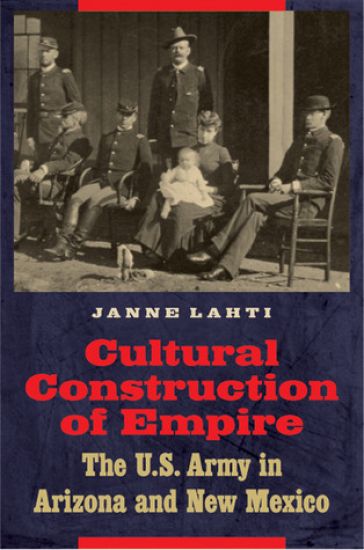
Cultural Construction of Empire

Cultural Construction of Empire

Janne Lahti

University of Nebraska Press
2012
sidottu
From 1866 through 1886, the U.S. Army occupied southern Arizona and New Mexico in an attempt to claim it for settlement by Americans. Through a postcolonial lens, Janne Lahti examines the army, its officers, their wives, and the enlisted men as agents of an American empire whose mission was to serve as a group of colonizers engaged in ideological as well as military, conquest.Cultural Construction of Empire explores the cultural and social representations of Native Americans, Hispanics, and frontiersmen constructed by the officers, enlisted men, and their dependents. By differentiating themselves from these "less civilized" groups, white military settlers engaged various cultural processes and practices to accrue and exercise power over colonized peoples and places for the sake of creating a more "civilized" environment for other settlers. Considering issues of class, place, and white ethnicity, Lahti shows that the army's construction of empire took place not on the battlefield alone but also in representations of and social interactions in and among colonial places, peoples, settlements, and events, and in the domestic realm and daily life inside the army villages.