Kirjojen hintavertailu. Mukana 12 246 860 kirjaa ja 12 kauppaa.

Kirjailija

Jason Cannon

Kirjat ja teokset yhdessä paikassa: 15 kirjaa, julkaisuja vuosilta 2014-2026, suosituimpien joukossa Breakneck. Vertaile teosten hintoja ja tarkista saatavuus suomalaisista kirjakaupoista.

15 kirjaa

Kirjojen julkaisuhaarukka 2014-2026.

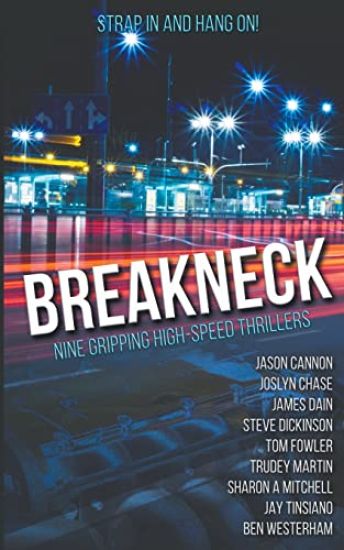
Breakneck

Breakneck

Jason Cannon; Joslyn Chase; James Dain

Paraquel Press
2022
pokkari
Strap in and hang on Diverse, entertaining, and wonderfully fast-paced These thrilling tales showcase the talents of nine superb suspense writers you'll love meeting.A lone man braves the wilds of Alaska to save a town from brutal annihilation.A grocery shopper intervenes in a store shooting and gets more than he bargained for.A retired Army cop goes up against a cold-blooded killer to exonerate his own name and close a murder case.And more. Lots more.Get your pulse tingling with these short story gems. Strap in and hang on--it's Breakneck time
A Time for Reflection

A Time for Reflection

Jason Cannon

ROWMAN LITTLEFIELD
2025
sidottu
A fascinating look back at the incredible lives and careers of Willie McCovey and Billy Williams, part of the second generation of Black ballplayers who followed in the footsteps of Jackie Robinson.Professional baseball has featured a bevy of superstars over the past century and a half, but only a few of them have impacted their sport and cities as deeply as Willie McCovey and Billy Williams. Born just a handful of miles apart in 1938, they grew up playing baseball in and around one of the sport’s true cradles, Mobile, Alabama, on their way to producing two iconic careers in the major leagues. In A Time for Reflection: The Parallel Legacies of Baseball Icons Willie McCovey and Billy Williams, Jason Cannon weaves together the stories of McCovey and Williams to provide an up close and personal perspective of their lives and Hall of Fame careers. Often overshadowed by their teams’ superstars, these two players, through hard work and strength of character, overcame difficult times, formidable obstacles, and hideous racism to become two of baseball’s best. Their leadership and dedication to their clubs—McCovey spent 19 of his seasons playing for the San Francisco Giants and Williams played 16 seasons for the Chicago Cubs—made them beloved by fans and teammates alike. Featuring original interviews with family members, friends, teammates, and Williams himself, A Time for Reflection brings to life their monumental accomplishments on the diamond while also detailing how these two legends grew into pillars of San Francisco and Chicago and inspired future generations of ballplayers.
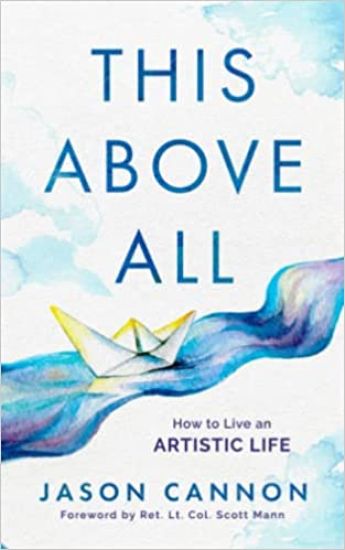
This Above All: How to Live an Artistic Life
There are some doozies in THIS ABOVE ALL: HOW TO LIVE AN ARTISTIC LIFE that straight-up revolutionized my thinking. It is a guidebook to both theater and life that needs to live on every creative person's nightstand.--Sarah Bierstock, Artistic Director of Pass the Salt ProductionsJason Cannon's book is a must-read. Especially if you are an artist, want to be reminded why you become an artist in the first place - or just have always wondered if you could lead a more artistic life. Its honest and transparent and yet deeply witty and insightful look into this entire profession made me want to get back out there and do it even better. Easily the most truthful and yet inspiring book out there on the making of theatre. --Sean Daniels, Artistic Director, Arizona Theatre CompanyIs there something holding you back from what you know you can do? From who you know you can be?Are you always starting but never finishing? Your novel? Your music? Your start-up? Your charity?Do you struggle to maintain passion and balance in your work, your exercise routine, or your relationships?Don't hang your head if you answered yes to any of those questions. Chin up and crack open THIS ABOVE ALL.In this galvanizing, pull-no-punches examination of the obstacles and rewards to living an artistic life, award-winning actor, director, playwright, and author Jason Cannon shows readers how to harness their creativity, rediscover their courage, and break free of the forces holding them back.Even if you've never picked up a paintbrush, even if you can't carry a tune in a bucket, even if just the thought of getting up on a stage makes you break out in a cold sweat, THIS ABOVE ALL will inspire you to unleash your inner artist and live true.THIS ABOVE ALL is brimming with philosophical insights and practical advice for young artists starting out in the world. Cannon shares the wisdom gained from many years of artistic practice, providing the reader with powerful reflections on art, life and truth-telling. Essential reading for anyone wanting to harness their passion into a meaningful and sustainable creative practice.--Deborah Brevoort, playwright and librettistCannon focuses on artists (especially directors, actors, and writers) in the world of theater, but his penetrating insights apply to anyone in any profession. The book is a series of short chapters filled with exhilarating ideas about how to live artistically, which is to say how to live passionately, how to live, as Cannon puts it, "with all your heart." You will be tempted to read the book through at top speed because Cannon's quick, exuberant prose pulls you along. But then go back to read slowly, to pause on the many epiphanies about living and learning and refusing to be false to oneself or to anyone (the keen analysis of the speech in Hamlet by Polonius, from which Cannon takes his book's title, is worth the price of admission). Reflect on each gem for an hour or two-and then keep on reflecting for the rest of your life.-Jeffrey Couchman, author of The Night of the Hunter: A Biography of a FilmThose who are struggling to make it in their chosen profession, are questioning what's missing, and haven't found their artistic mojo yet, will reap great benefit from reading THIS ABOVE ALL. THIS ABOVE ALL reminded me that the world of business can be much more meaningful when you slow down, take a beat, enjoy the scenery, and re-examine your purpose.--Joel Ehrenpreis, CEO, Business Therapeutics
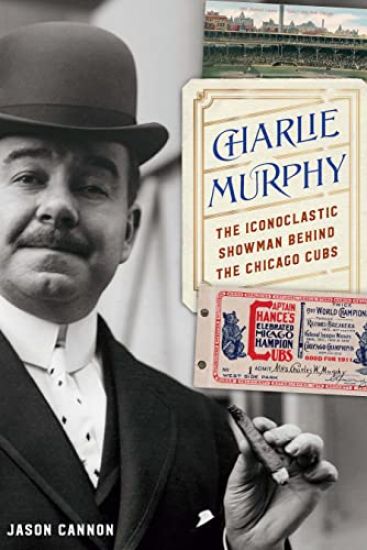
Charlie Murphy

Charlie Murphy

Jason Cannon

University of Nebraska Press
2022
sidottu
2023 SABR Larry Ritter Book Award Finalist for the 2022 CASEY Award You don’t know the history of the Chicago Cubs until you know the story of Charles Webb Murphy, the ebullient and mercurial owner of this historic franchise from 1905 through 1914. Originally a sportswriter in Cincinnati, he joined the New York Giants front office as a press agent-the game’s first-in 1905. That season, hearing the Cubs were for sale, he secured a loan from Charles Taft, the older half-brother of the future president of the United States, to buy a majority share and become the team’s new owner. In his second full season, the Cubs won their first World Series. They won again in 1908, but soon thereafter Murphy’s unconventional style invited ill will from the owners, his own players, and the press, even while leading the team through their most successful period in team history. In Charlie Murphy: The Iconoclastic Showman behind the Chicago Cubs, Jason Cannon explores Murphy’s life both on and off the field, painting a picture of his meteoric rise and precipitous downfall. Readers will get to know the real Murphy, not the simplified caricature created by his contemporaries that has too frequently been perpetuated through the years, but the whirling dervish who sent the sport of baseball spinning and elevated Chicago to the center of the baseball universe. Cannon recounts Murphy’s rise from the son of Irish immigrants to sports reporter to Cubs president, charting his legacy as one of the most important but overlooked figures in the National League’s long history. Cannon explores how Murphy’s difficult teenage years shaped his love for baseball; his relationship with the Tafts, one of America’s early twentieth-century dynastic families; his successful and tumultuous years as a National League executive; his last years as an owner before the National League Board of Directors ousted him in 1914; and, finally, Murphy’s attempt to rewrite his legacy through the construction of the Murphy Theater in his hometown of Wilmington, Ohio.
Ghost Light

Ghost Light

Jason Cannon

IBIS BOOKS
2021
pokkari
Not all ghosts are dead. Gideon Price is an artist of the theatre. A brilliant actor. An inspiring teacher. Just living the freelance life. He goes to New York to star in a show, teach an acting class, and figure out his next gig.At least, that was the plan.Then a chance encounter with a mysterious member of the TROUPE launches Gideon into the performance of his life. Joining forces with this covert band of vigilantes, Gideon hunts a lone wolf terrorist intent upon horrific destruction. But can the TROUPE be trusted? And if Gideon can't outrun the ghosts of his past, how will he chase down the terrorist in time to prevent an unthinkable massacre?The first book in the thrilling new TROUPE series, GHOST LIGHT is a compulsive page-turner sure to keep your pulse pounding till the final curtain
Linux Administration: The Linux Operating System and Command Line Guide for Linux Administrators
Learn Linux Administration and Supercharge Your Career If you're looking to make the jump from being a Linux user to being a Linux administrator, this book is for you If you're in windows administration and want to learn the ins and outs of Linux administration, start here. This book is also great for Unix administrators switching to Linux administration. Here is what you will learn by reading this Linux System Administration book: How the the boot process works on Linux servers and what you can do to control it. The various types of messages generated by a Linux system, where they're stored, and how to automatically prevent them from filling up your disks. Disk management, partitioning, and file system creation. Managing Linux users and groups. Exactly how permissions work and how to decipher the most cryptic Linux permissions with ease. Networking concepts that apply to system administration and specifically how to configure Linux network interfaces. How to use the nano, vi, and emacs editors. How to schedule and automate jobs using cron. How to switch users and run processes as others. How to configure sudo. How to find and install software. Managing process and jobs. How to make the most out of the Linux command line Several Linux commands you'll need to know Linux shell scripting What you learn in book applies to any Linux system including Ubuntu Linux, Debian, Linux Mint, RedHat Linux, CentOS, Fedora, SUSE Linux, Arch Linux, Kali Linux and more. Real Advice from a Real, Professional Linux Administrator Jason Cannon is the author of Linux for Beginners, the founder of the Linux Training Academy, and an instructor to over 40,000 satisfied students. He started his IT career in the late 1990's as a Unix and Linux System Engineer and he'll be sharing his real-world Linux experience with you throughout this book. By the end of this book you will fully understand the most important and fundamental concepts of Linux server administration. More importantly, you will be able to put those concepts to use in practical real-world situations. You'll be able to configure, maintain, and support a variety of Linux systems. You can even use the skills you learned to become a Linux System Engineer or Linux System Administrator.
Learn Linux in 5 Days

Learn Linux in 5 Days

Jason Cannon

Createspace Independent Publishing Platform
2015
pokkari
If you want to learn how to use Linux and level up your career but are pressed for time, read on.As the founder of the Linux Training Academy and an instructor of several courses, I've had the good fortune of helping thousands of people hone their Linux skills. Interacting with so many people who are just getting started with the Linux operating system has given me invaluable insight into the particular struggles and challenges people face at this stage.One of the biggest challenges for people interested in learning the ins and outs of Linux is simply a lack of time. When you are working with a limited and extremely valuable resource you want to make sure you make the most of it.The next biggest challenge for Linux newcomers is knowing where to start. There is so much information available that deciding what to focus your attention on first is a big enough hurdle to keep many people from even starting. What's worse is starting down the path of learning only to discover too many concepts, commands, and nuances that aren't explained. This kind of experience is frustrating and leaves you with more questions than answers.That's why I've written this book.Not only have I condensed the most important material into five sections, each designed to be consumed in a day, I've also structured the content in a logical and systematic manner. This way you'll be sure to make the most out of your time by learning the foundational aspects of Linux first and then building upon that foundation each day.In Learn Linux in 5 Days you will learn the most important concepts and commands, and be guided step-by-step through several practical and real-world examples. As new concepts, commands, or jargon are encountered they are explained in plain language, making it easy to understand.Here is what you will learn by reading Learn Linux in 5 Days: How to get access to a Linux server if you don't already.What a Linux distribution is and which one to choose.What software is needed to connect to Linux from Mac and Windows computers. Screenshots included.What SSH is and how to use it, including creating and using SSH keys.The file system layout of Linux systems and where to find programs, configurations, and documentation.The basic Linux commands you'll use most often.Creating, renaming, moving, and deleting directories.Listing, reading, creating, editing, copying, and deleting files.Exactly how permissions work and how to decipher the most cryptic Linux permissions with ease.How to use the nano, vi, and emacs editors.Two methods to search for files and directories.How to compare the contents of files.What pipes are, why they are useful, and how to use them.How to compress files to save space and make transferring data easy.How and why to redirect input and output from applications.How to customize your shell prompt.How to be efficient at the command line by using aliases, tab completion, and your shell history.How to schedule and automate jobs using cron.How to switch users and run processes as others.Where to go for even more in-depth coverage on each topic.What you learn in Learn Linux in 5 Days applies to any Linux environment including Ubuntu, Debian, Linux Mint, RedHat, Fedora, OpenSUSE, Slackware, and more.Scroll up, click the Buy Now With 1 Click button and get started learning Linux today
Python Programming for Beginners: An Introduction to the Python Computer Language and Computer Programming
If you want to learn how to program in Python, but don't know where to start read on. Knowing where to start when learning a new skill can be a challenge, especially when the topic seems so vast. There can be so much information available that you can't even decide where to start. Or worse, you start down the path of learning and quickly discover too many concepts, commands, and nuances that aren't explained. This kind of experience is frustrating and leaves you with more questions than answers. Python Programming for Beginners doesn't make any assumptions about your background or knowledge of Python or computer programming. You need no prior knowledge to benefit from this book. You will be guided step by step using a logical and systematic approach. As new concepts, commands, or jargon are encountered they are explained in plain language, making it easy for anyone to understand. Here is what you will learn by reading Python Programming for Beginners When to use Python 2 and when to use Python 3. How to install Python on Windows, Mac, and Linux. Screenshots included. How to prepare your computer for programming in Python. The various ways to run a Python program on Windows, Mac, and Linux. Suggested text editors and integrated development environments to use when coding in Python. How to work with various data types including strings, lists, tuples, dictionaries, booleans, and more. What variables are and when to use them. How to perform mathematical operations using Python. How to capture input from a user. Ways to control the flow of your programs. The importance of white space in Python. How to organize your Python programs -- Learn what goes where. What modules are, when you should use them, and how to create your own. How to define and use functions. Important built-in Python functions that you'll use often. How to read from and write to files. The difference between binary and text files. Various ways of getting help and finding Python documentation. Much more... Every single code example in the book is available to download, providing you with all the Python code you need at your fingertips Scroll up, click the Buy Now With 1 Click button and get started learning Python today
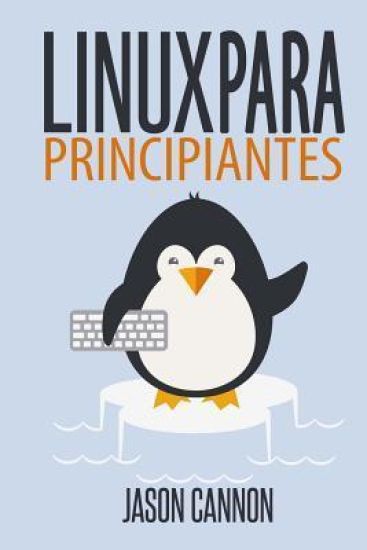
Linux para principiantes

Linux para principiantes

Jason Cannon

Createspace Independent Publishing Platform
2014
pokkari
Si usted quiere aprender a usar Linux, pero no sabe por d nde empezar siga leyendo.Saber por d nde empezar cuando se aprende una nueva habilidad puede ser un reto, especialmente cuando el tema parece tan vasto. Puede haber tanta informaci n disponible que ni siquiera puede decidir por d nde empezar. O peor a n, empieza a aprender y r pidamente descubre demasiados conceptos, comandos y matices que no se explican. Este tipo de experiencia es frustrante y le deja con m s preguntas que respuestas.Linux Para Principiantes no hace ninguna suposici n acerca de sus antecedentes o conocimiento de Linux. Usted no necesita tener ning n conocimiento previo para beneficiarse de este libro. Se le guiar paso a paso utilizando un enfoque l gico y sistem tico. A medida que se encuentre con nuevos conceptos, comandos o jerga estos se explican en un lenguaje sencillo, lo que hace que sea f cil que cualquiera pueda entenderlo.Esto es lo que aprender al leer Linux Para Principiantes: C mo obtener acceso a un servidor Linux si no lo tiene ya.Qu es una distribuci n de Linux y cu l elegir.Qu software se necesita para conectarse a Linux desde ordenadores Mac y Windows. Capturas de pantalla inclu das.Que es SSH y c mo usarlo, incluyendo la creaci n y el uso de claves SSH.El dise o del sistema de archivos de los sistemas Linux y d nde encontrar los programas, configuraciones y documentaci n.Los comandos b sicos de Linux que vamos a usar con m s frecuencia.Crear, renombrar, mover y eliminar directorios.Listar, leer, crear, editar, copiar y eliminar archivos.C mo funcionan exactamente los permisos de trabajo y c mo descifrar los permisos m s cr pticos de Linux con facilidad.C mo utilizar los editores nano, vi y emacs.Dos m todos para la b squeda de archivos y directorios.C mo comparar el contenido de archivos.Qu son las tuber as, para qu que sirven y c mo usarlas.C mo comprimir archivos para ahorrar espacio y hacer que la transferencia de datos sea f cil.C mo y por qu redirigir la entrada y salida de las aplicaciones.C mo personalizar el int rprete de comandos.C mo ser eficiente en la l nea de comandos mediante el uso de alias, la implementaci n del tabulador y el historial de shell.C mo programar y automatizar trabajos utilizando cron.C mo cambiar de usuario y ejecutar procesos como otro usuario.D nde ir para profundizar a n m s en cada tema.Vaya a la parte superior de la p gina, haga click en el bot n Comprar Ahora Con 1 Click y empiece a aprender Linux hoy
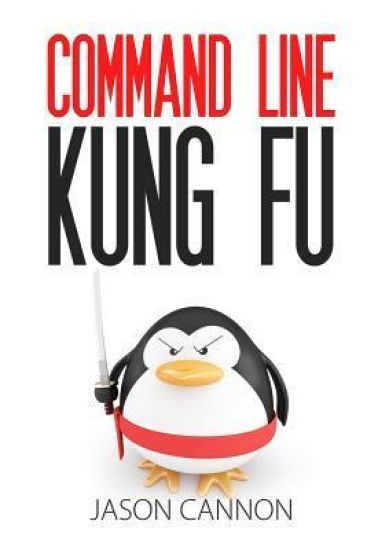
Command Line Kung Fu: Bash Scripting Tricks, Linux Shell Programming Tips, and Bash One-liners
Become a Linux Ninja with Command Line Kung Fu Do you think you have to lock yourself in a basement reading cryptic man pages for months on end in order to have ninja like command line skills? In reality, if you had someone share their most powerful command line tips, tricks, and patterns you'd save yourself a lot of time and frustration. What if you could look over the shoulder of a good friend that just happened to be a command line guru? What if they not only showed you the commands they were using, but why they were using them and exactly how they worked? And what if that friend took the time to write all of it down so you can refer to it whenever you liked? Well, a friend did just that. Command Line Kung Fu is packed with dozens of tips and over 100 practical real-world examples. You won't find theoretical examples in this book. The examples demonstrate how to solve actual problems and accomplish worthwhile goals. The tactics are easy to find, too. Each chapter covers a specific topic and groups related tips and examples together. For example, if you need help extracting text from a file look in the "Text Processing and Manipulation" chapter. Also, a comprehensive index is included. If you want to find every example where a given command is used -- even if it's not the main subject of the tip -- look in the index. It will list every single place in the book where that command appears. Here is just some of what you will learn by reading Command Line Kung Fu How to quickly and easily repeat commands in your shell history Shortcuts for grabbing specific words from your shell history to use in your current command How to save a copy of your command line session for later reference How to strip out blank lines and comments from files How to control colorized text when uses pipes and pagers Ways to transform text: from changing case to substituting characters and more How to extract specific blocks of text from files or streams of input A quick tip to fix common typos How to edit files over the network How to compare the differences between files on your local computer and a remote one How to create and use SSH tunnels Ways to verify what programs are listening on what ports How to kill all the processes for a given user with a single command Strategies for dealing with multi-hop SSH connections How to disconnect from a server in a way that will allow you to pick up where you left off How to automate software installs that require user input Shell scripting tips How to automatically keep repeating a command until it succeeds The right way to delete a file that is being written to How to surf the web from the command line... and more importantly how to download anything from the web and interact with HTTP APIs Ways to determine who and what is using the most disk space How to secure your web browser session when using an open wifi hotspot How to generate random passwords from the command line Two tips for easily creating backups Tips for handling tar archives How to replace a string in multiple files at once with just one command and much more... What you learn in Command Line Kung Fu applies to any Linux distribution including Ubuntu, Debian, Linux Mint, RedHat, Fedora, OpenSUSE, Slackware, and more. Scroll up, click the "Buy Now With 1-Click" button to get your black belt in Linux Command Line Kung Fu.
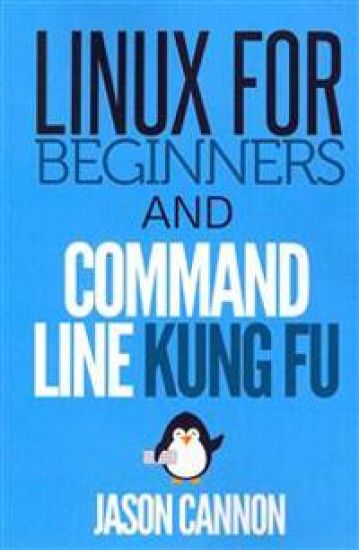
Linux for Beginners and Command Line Kung Fu

Linux for Beginners and Command Line Kung Fu

Jason Cannon

Createspace Independent Publishing Platform
2014
nidottu
Save when you buy this two book bundle - Linux for Beginners AND Command Line Kung Fu Linux for Beginners information: If you want to learn how to use Linux, but don't know where to start read on. Knowing where to start when learning a new skill can be a challenge, especially when the topic seems so vast. There can be so much information available that you can't even decide where to start. Or worse, you start down the path of learning and quickly discover too many concepts, commands, and nuances that aren't explained. This kind of experience is frustrating and leaves you with more questions than answers. Linux for Beginners doesn't make any assumptions about your background or knowledge of Linux. You need no prior knowledge to benefit from this book. You will be guided step by step using a logical and systematic approach. As new concepts, commands, or jargon are encountered they are explained in plain language, making it easy for anyone to understand. Here is what you will learn by reading Linux for Beginners How to get access to a Linux server if you don't already. What a Linux distribution is and which one to choose. What software is needed to connect to Linux from Mac and Windows computers. Screenshots included. What SSH is and how to use it, including creating and using SSH keys. The file system layout of Linux systems and where to find programs, configurations, and documentation. The basic Linux commands you'll use most often. Creating, renaming, moving, and deleting directories. Listing, reading, creating, editing, copying, and deleting files. Exactly how permissions work and how to decipher the most cryptic Linux permissions with ease. How to use the nano, vi, and emacs editors. Two methods to search for files and directories. How to compare the contents of files. What pipes are, why they are useful, and how to use them. How and why to redirect input and output from applications. How to customize your shell prompt. How to be efficient at the command line by using aliases, tab completion, and your shell history. How to schedule and automate jobs using cron. How to switch users and run processes as others. Where to go for even more in-depth coverage on each topic. Command Line Kung Fu information: Become a Linux Ninja with Command Line Kung Fu Do you think you have to lock yourself in a basement reading cryptic man pages for months on end in order to have ninja like command line skills? In reality, if you had someone share their most powerful command line tips, tricks, and patterns you'd save yourself a lot of time and frustration. What if you could look over the shoulder of a good friend that just happened to be a command line guru? What if they not only showed you the commands they were using, but why they were using them and exactly how they worked? And what if that friend took the time to write all of it down so you can refer to it whenever you liked? Well, a friend did just that. Command Line Kung Fu is packed with dozens of tips and over 100 practical real-world examples. You won't find theoretical examples in this book. The examples demonstrate how to solve actual problems and accomplish worthwhile goals. The tactics are easy to find, too. Each chapter covers a specific topic and groups related tips and examples together. For example, if you need help extracting text from a file look in the "Text Processing and Manipulation" chapter. Also, a comprehensive index is included. If you want to find every example where a given command is used -- even if it's not the main subject of the tip -- look in the index. It will list every single place in the book where that command appears.
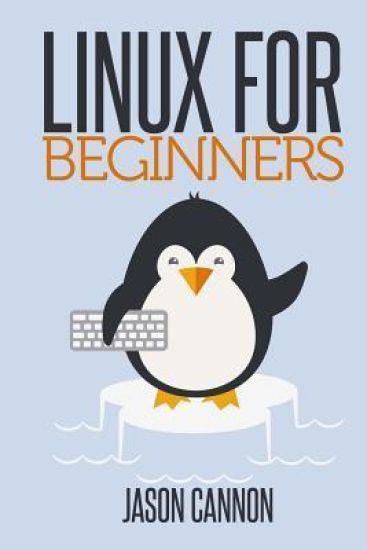
Linux for Beginners: An Introduction to the Linux Operating System and Command Line

Linux for Beginners: An Introduction to the Linux Operating System and Command Line

Jason Cannon

Createspace Independent Publishing Platform
2014
nidottu
If you want to learn how to use Linux, but don't know where to start read on. Knowing where to start when learning a new skill can be a challenge, especially when the topic seems so vast. There can be so much information available that you can't even decide where to start. Or worse, you start down the path of learning and quickly discover too many concepts, commands, and nuances that aren't explained. This kind of experience is frustrating and leaves you with more questions than answers. Linux for Beginners doesn't make any assumptions about your background or knowledge of Linux. You need no prior knowledge to benefit from this book. You will be guided step by step using a logical and systematic approach. As new concepts, commands, or jargon are encountered they are explained in plain language, making it easy for anyone to understand. Here is what you will learn by reading Linux for Beginners How to get access to a Linux server if you don't already.What a Linux distribution is and which one to choose.What software is needed to connect to Linux from Mac and Windows computers. Screenshots included.What SSH is and how to use it, including creating and using SSH keys.The file system layout of Linux systems and where to find programs, configurations, and documentation.The basic Linux commands you'll use most often.Creating, renaming, moving, and deleting directories.Listing, reading, creating, editing, copying, and deleting files.Exactly how permissions work and how to decipher the most cryptic Linux permissions with ease.How to use the nano, vi, and emacs editors.Two methods to search for files and directories.How to compare the contents of files.What pipes are, why they are useful, and how to use them.How to compress files to save space and make transferring data easy.How and why to redirect input and output from applications.How to customize your shell prompt.How to be efficient at the command line by using aliases, tab completion, and your shell history.How to schedule and automate jobs using cron.How to switch users and run processes as others.Where to go for even more in-depth coverage on each topic.What you learn in "Linux for Beginners" applies to any Linux environment including Ubuntu, Debian, Linux Mint, RedHat, Fedora, OpenSUSE, Slackware, and more. Scroll up, click the Buy Now With 1 Click button and get started learning Linux today