Kirjojen hintavertailu. Mukana 12 595 353 kirjaa ja 12 kauppaa.

Kirjailija

Jason J. Howard

Kirjat ja teokset yhdessä paikassa: 3 kirjaa, julkaisuja vuosilta 2014-2015, suosituimpien joukossa Conscience in Moral Life. Vertaile teosten hintoja ja tarkista saatavuus suomalaisista kirjakaupoista.

3 kirjaa

Kirjojen julkaisuhaarukka 2014-2015.

Adventures in Reasoning

Adventures in Reasoning

Jason J. Howard

Rowman Littlefield
2015
nidottu
Helping students think more critically, communicate ideas more effectively, and work more cooperatively with others are goals widely recognized as indispensable to a proper education. Adventures in Reasoning: Communal Inquiry Through Fantasy Role-Play provides middle school, high school, and even post-secondary teachers with a method to cultivate these crucial skill sets in a way that is engaging, academically rigorous, and also fun. The role-playing approach draws upon the pioneering notion of the community of inquiry as a vehicle for enhancing student learning and development through discussing philosophical concepts and issues. Students create characters that they then use to explore a rich fantasy world filled with practical and conceptual challenges specifically designed to enhance a wide range of cognitive and communication abilities. Drawing together the appeal of fantasy narratives with the rigor of communal inquiry, Adventures in Reasoning provides educators with a rich array of tools through which to engage students’ interests, capture their curiosity, and cultivate crucial cognitive and social skills. Some additional key features of this book include: ·step-by-step instructions on how to implement fantasy-gaming in the classroom ·tips on how to assess students’ critical and creative reasoning skills ·easy to understand rules for fantasy role-playing ·detailed adventure quests provided that target a wide array of skill sets ·overview of the pedagogical benefits of introducing philosophy and communal inquiry to middle and high school students ·lots of advice and suggestions on how to facilitate an effective community of inquiry and how to accommodate different class sizes and student abilities ·recommendations on how to use fantasy role-playing as a type of service learning in college classrooms
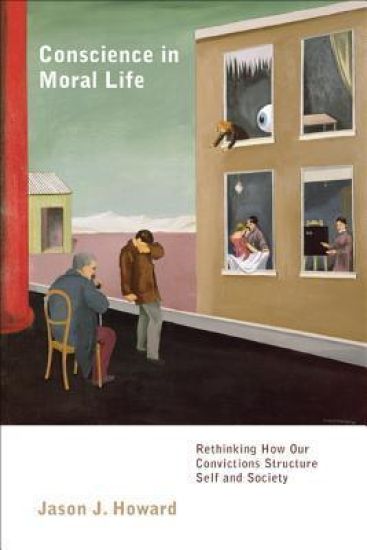
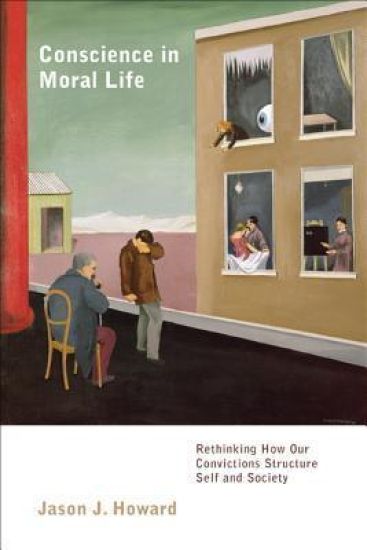
Conscience in Moral Life

Conscience in Moral Life

Jason J. Howard

Rowman Littlefield International
2014
nidottu
The notion of conscience remains one of the most widely used moral concepts and a cornerstone of ordinary moral thinking. This book explores where this widespread confidence in conscience stems from, examining the history of conscience as a moral concept and its characteristic moral phenomenology. Jason Howard provides a comprehensive reassessment of the function of conscience in moral life, detailing along the way the manifold problems that arise when we believe our conscience is more reliable than is actually warranted. The result is a step-by-step evaluation of our most accepted assumptions. Howard goes on to argue, from a phenomenological perspective, that conscience is indispensable for understanding moral experience. He capitalizes on a dialectical perspective developed by Hegel and Ricoeur, in which conscience is seen as the recognition of the other, and integrates this with work in the philosophy of emotion, arguing that conscience is best seen in terms of the function it serves in moderating the moral emotions of shame, guilt and pride.
Conscience in Moral Life

Conscience in Moral Life

Jason J. Howard

Rowman Littlefield International
2014
sidottu
The notion of conscience remains one of the most widely used moral concepts and a cornerstone of ordinary moral thinking. This book explores where this widespread confidence in conscience stems from, examining the history of conscience as a moral concept and its characteristic moral phenomenology. Jason Howard provides a comprehensive reassessment of the function of conscience in moral life, detailing along the way the manifold problems that arise when we believe our conscience is more reliable than is actually warranted. The result is a step-by-step evaluation of our most accepted assumptions. Howard goes on to argue, from a phenomenological perspective, that conscience is indispensable for understanding moral experience. He capitalizes on a dialectical perspective developed by Hegel and Ricoeur, in which conscience is seen as the recognition of the other, and integrates this with work in the philosophy of emotion, arguing that conscience is best seen in terms of the function it serves in moderating the moral emotions of shame, guilt and pride.