Kirjojen hintavertailu. Mukana 12 595 353 kirjaa ja 12 kauppaa.

Kirjailija

Jason M. Yaremko

Kirjat ja teokset yhdessä paikassa: 3 kirjaa, julkaisuja vuosilta 2000-2020, suosituimpien joukossa U.S. Protestant Missions in Cuba. Vertaile teosten hintoja ja tarkista saatavuus suomalaisista kirjakaupoista.

3 kirjaa

Kirjojen julkaisuhaarukka 2000-2020.

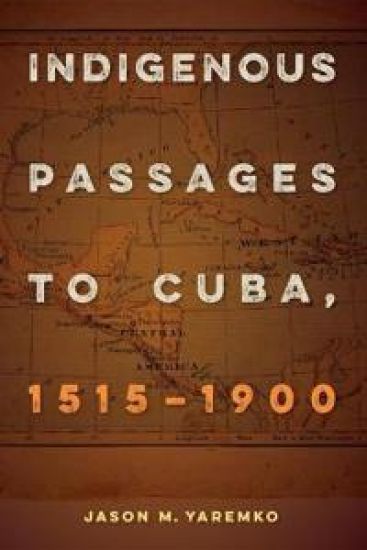
Indigenous Passages to Cuba, 1515-1900

Indigenous Passages to Cuba, 1515-1900

Jason M. Yaremko

University Press of Florida
2020
pokkari
During the colonial period, thousands of North American native peoples traveled to Cuba independently as traders, diplomats, missionary candidates, immigrants, or refugees; others were forcibly transported as captives, slaves, indentured laborers, or prisoners of war. Over the half millennium after Spanish contact, Cuba also served as the principal destination and residence of peoples as diverse as the Yucatec Mayas of Mexico; the Calusa, Timucua, Creek, and Seminole peoples of Florida; and the Apache and Puebloan cultures of the northern provinces of New Spain. Many settled in pueblos or villages in Cuba that endured and evolved into the nineteenth century as urban centers, later populated by indigenous and immigrant Amerindian descendants and even their mestizo, or mixed-blood, progeny. In this first comprehensive history of the Amerindian diaspora in Cuba, Jason Yaremko presents the dynamics of indigenous movements and migrations from several regions of North America from the sixteenth through nineteenth centuries. In addition to detailing the various motives influencing aboriginal migratory processes, Yaremko uses these case studies to argue that Amerindians-whether voluntary or involuntary migrants-become diasporic through common experiences of dispossession, displacement, and alienation within Cuban colonial society. Yet, far from being merely passive victims acted upon, he argues that indigenous peoples were cognizant agents still capable of exercising power and influence to act in the interests of their communities. His narrative of their multifaceted and dynamic experiences of survival, adaptation, resistance, and negotiation within Cuban colonial society adds deeply to the history of transculturation in Cuba, and to our understanding of indigenous peoples, migration, and diaspora in the wider Caribbean world.
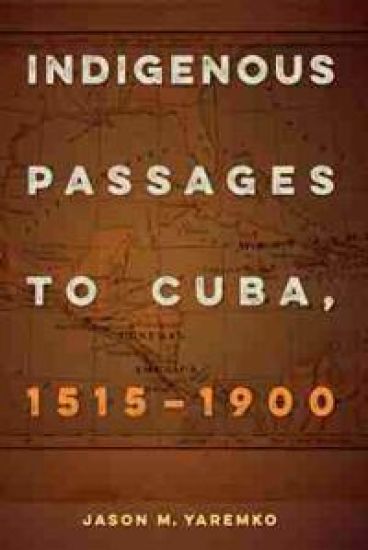
Indigenous Passages to Cuba, 1515 - 1900

Indigenous Passages to Cuba, 1515 - 1900

Jason M. Yaremko

University Press of Florida
2016
sidottu
During the colonial period, thousands of North American Native peoples travelled to Cuba independently as traders, diplomats, missionary candidates, immigrants, or refugees; others were forcibly transported as captives, slaves, indentured labourers, or prisoners of war. Over the half millennium after Spanish contact, Cuba served as the principal destination and residence of peoples as diverse as the Yucatec Mayas of Mexico; the Calusa, Timucua, Creek, and Seminole peoples of Florida; and the Apache and Puebloan cultures of the northern provinces of New Spain.In this first history of the significant and diverse Amerindian presence in Cuba during and well beyond the early colonial period, Yaremko demonstrates the diverse, multifaceted, and dynamic nature of the indigenous diaspora in colonial Cuba. Acknowledging these groups’ role in geopolitical, diplomatic, economic, and diasporic processes, Yaremko argues that these migrants played an essential role in the historical development of Cuba. With case studies and documentation from various sites, Yaremko’s narrative presents a fuller history of Amerindian migration and diaspora in Cuba and the rest of Latin America.
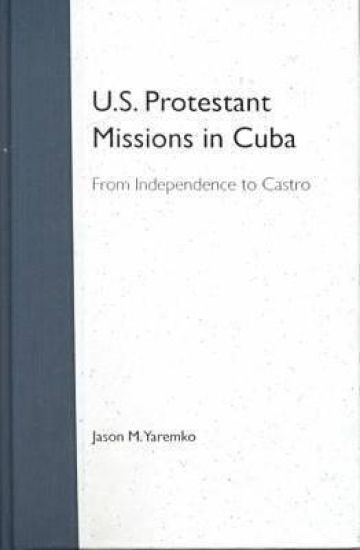
U.S. Protestant Missions in Cuba

U.S. Protestant Missions in Cuba

Jason M. Yaremko

University Press of Florida
2000
sidottu
This work analyzes the role of Protestantism in Cuba. Following the Spanish-Cuban-American war in 1898, the US Protestant church embarked on a religious mission in Cuba, which in turn evolved into a secular crusade to reconstruct Cuban society.