Kirjojen hintavertailu. Mukana 12 595 353 kirjaa ja 12 kauppaa.

Kirjailija

Jayanta Sengupta

Kirjat ja teokset yhdessä paikassa: 2 kirjaa, julkaisuja vuosilta 2015-2018, suosituimpien joukossa Mountain of the Moon. Vertaile teosten hintoja ja tarkista saatavuus suomalaisista kirjakaupoista.

2 kirjaa

Kirjojen julkaisuhaarukka 2015-2018.

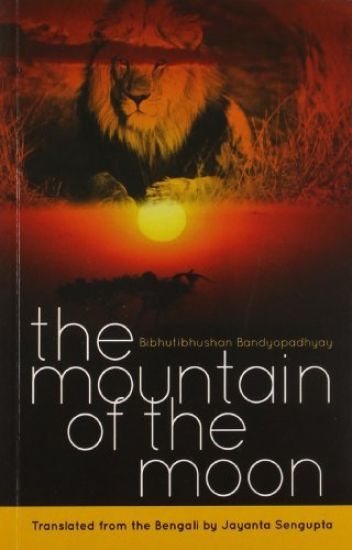
Mountain of the Moon

Mountain of the Moon

Bibhutibhusan Bandyopadhyay; Jayanta Sengupta

Rupa Co
2018
nidottu
Mountain of the Moon is the English translation of one of the finest Bengali adventure novels Chander Pahar written by Shri Bibhutibhusan Bandyopadhyay in the 1930s. Set in 1909-10, this is the story of a young Bengali man, Shankar. His cravings for a life full of adventure and excitement brings him to the Dark Continent Africa. From a small village in Bengal to Uganda to Salisbury, his journey is a veritable roller-coaster which takes him through many intimidating forests, mountains and deserts. There are dangers at every step; many of which catch Shankar unawares. A ferocious volcanic eruption, a labyrinth of caves and savage man-eating lions Shankar is in for a life-altering experience, only if he manages to stay alive Will Shankar survive unscathed? Would he ever be able to return to his home? Racy and thrilling, this African odyssey will virtually transport the reader to some of the most exciting and perilous locations of the continent.
At the Margins

At the Margins

Jayanta Sengupta

OUP India
2015
sidottu
In comparison to other well-known linguistic movements in India (like the Andhra or the Tamil movements), Orissa is the single instance of the imagination of a pan-regional linguistic identity that made a successful negotiation with the colonial state by using mainly constitutional means within the framework of colonial power. Subsequently, like many other linguistic movements that culminated in statehood in postcolonial India, its appeal waxed and waned and over the long run gradually declined in the second half of the twentieth century, as language came to be displaced by issues of development and underdevelopment as the prime movers of identity politics under electoral democracy. This book addresses these broader questions of poverty, marginality, ethnicity, and identity in Orissa in the twentieth century. Since it challenges the idea of 1947 as a watershed and seeks to grapple with the themes of regionalism, language-based ethnicity, centre-state relations, and the interrelationships between development and democracy across this divide, it will be of great interest not only to historians, political scientists, economists, and sociologists of modern South Asia, but also to scholars and students interested in the cultural politics of linguistic identity, and the politics of democracy and development in the global South.