Kirjojen hintavertailu. Mukana 12 595 353 kirjaa ja 12 kauppaa.

Kirjailija

Jean Helms-Mills

Kirjat ja teokset yhdessä paikassa: 6 kirjaa, julkaisuja vuosilta 2002-2012, suosituimpien joukossa Making Sense of Organizational Change. Vertaile teosten hintoja ja tarkista saatavuus suomalaisista kirjakaupoista.

Mukana myös kirjoitusasut: Jean Helms Mills

6 kirjaa

Kirjojen julkaisuhaarukka 2002-2012.

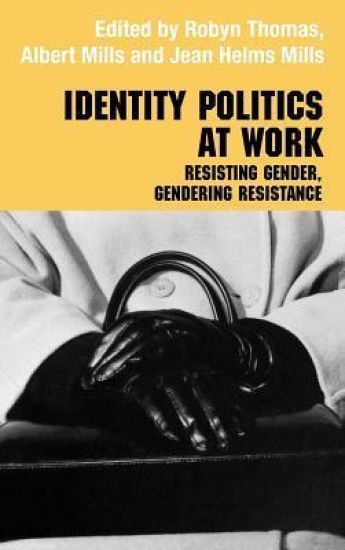
Identity Politics at Work

Identity Politics at Work

Jean Helms Mills; Albert J. Mills; Robyn Thomas

Routledge
2012
nidottu
This book represents the coming together of two key debates within organization studies: theorizing on gender and ways of understanding resistance. These debates have been given renewed vigour with the 'postmodern turn' in organization studies and feminist theory. Fusing these two literatures together offers a far deeper understanding of the issues of power, subjectivity and agency. Representing a growing interest in the contributions that feminist theorizing can offer to the study of organizations, this book focuses on issues of gender and resistance in organizations and, in particular, presents theorising which attends to the dualistic debate of compliance versus resistance to offer more generative understandings of reistance.
Understanding Organizational Change

Understanding Organizational Change

Jean Helms-Mills; Kelly Dye; Albert J Mills

Routledge
2008
sidottu
This exciting new text fills the gap in the management literature on organizational change. It presents a balanced view, which raises questions about the imperative of change, who’s interests are being served, how change programmes impact on employees and why organizations continually engage in such programmes. It gives readers a comprehensive history of:change management literaturetypes of change techniques over time (i.e. TQM, BPR, Balanced Scorecard, Six Sigma, etc.) the role of management gurus in the rise and fall of management fashionsthe impact of organizational change on organizational members.The authors provide case vignettes of companies from both sides of the Atlantic, which have undergone some of the better-known change techniques, and explore the reasons for their successes and failures. This is an innovative and important new text for students of organizational behaviour, organizational change, strategy and HRM.
Understanding Organizational Change

Understanding Organizational Change

Jean Helms-Mills; Kelly Dye; Albert J Mills

Routledge
2008
nidottu
This exciting new text fills the gap in the management literature on organizational change. It presents a balanced view, which raises questions about the imperative of change, who’s interests are being served, how change programmes impact on employees and why organizations continually engage in such programmes. It gives readers a comprehensive history of:change management literaturetypes of change techniques over time (i.e. TQM, BPR, Balanced Scorecard, Six Sigma, etc.) the role of management gurus in the rise and fall of management fashionsthe impact of organizational change on organizational members.The authors provide case vignettes of companies from both sides of the Atlantic, which have undergone some of the better-known change techniques, and explore the reasons for their successes and failures. This is an innovative and important new text for students of organizational behaviour, organizational change, strategy and HRM.
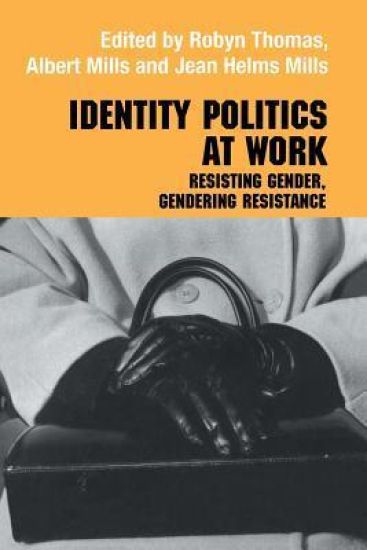
Identity Politics at Work

Identity Politics at Work

Jean Helms Mills; Albert J. Mills; Robyn Thomas

Routledge
2004
sidottu
This book represents the coming together of two key debates within organization studies: theorizing on gender and ways of understanding resistance. These debates have been given renewed vigour with the 'postmodern turn' in organization studies and feminist theory. Fusing these two literatures together offers a far deeper understanding of the issues of power, subjectivity and agency. Representing a growing interest in the contributions that feminist theorizing can offer to the study of organizations, this book focuses on issues of gender and resistance in organizations and, in particular, presents theorising which attends to the dualistic debate of compliance versus resistance to offer more generative understandings of reistance.
Making Sense of Organizational Change

Making Sense of Organizational Change

Jean Helms-Mills

Routledge
2002
sidottu
Applying an invaluable sensemaking framework to organizational change and combining the theory and practice of implementing change, this book represents an instructive and informative view on change in business. Its strength lies in two key areas:the discussion and explanation of a strategic sensemaking approach, for helping managers, management educators and students to understand organizational changea longitudinal study of a major company which underwent several organizational changes, revealing some of the key problems and challenges that managers face when introducing, implementing and managing change.Rather than being structured as a ‘how to’ book, this outstanding text provides the reader with practical insights and skills for managing (or resisting) change. Applying Weick's famous sensemaking approach, it offers a unique way to understand the processes involved in organizational change.
Making Sense of Organizational Change

Making Sense of Organizational Change

Jean Helms-Mills

Routledge
2002
nidottu
Applying an invaluable sensemaking framework to organizational change and combining the theory and practice of implementing change, this book represents an instructive and informative view on change in business. Its strength lies in two key areas:the discussion and explanation of a strategic sensemaking approach, for helping managers, management educators and students to understand organizational changea longitudinal study of a major company which underwent several organizational changes, revealing some of the key problems and challenges that managers face when introducing, implementing and managing change.Rather than being structured as a ‘how to’ book, this outstanding text provides the reader with practical insights and skills for managing (or resisting) change. Applying Weick's famous sensemaking approach, it offers a unique way to understand the processes involved in organizational change.