Kirjojen hintavertailu. Mukana 12 390 323 kirjaa ja 12 kauppaa.
Kirjailija
Jean Michaud
Kirjat ja teokset yhdessä paikassa: 9 kirjaa, julkaisuja vuosilta 2000-2022, suosituimpien joukossa 'Incidental' Ethnographers: French Catholic Missions on the Tonkin-Yunnan Frontier, 1880-1930. Vertaile teosten hintoja ja tarkista saatavuus suomalaisista kirjakaupoista.
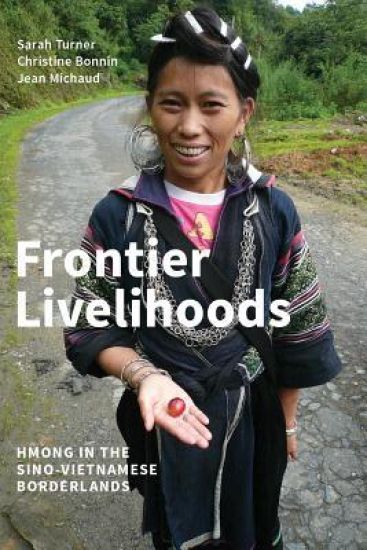
Do ethnic minorities have the power to alter the course of their fortune when living within a socialist state? In Frontier Livelihoods, the authors focus their study on the Hmong - known in China as the Miao - in the Sino-Vietnamese borderlands, contending that individuals and households create livelihoods about which governments often know little.The product of wide-ranging research over many years, Frontier Livelihoods bridges the traditional divide between studies of China and peninsular Southeast Asia by examining the agency, dynamics, and resilience of livelihoods adopted by Hmong communities in Vietnam and in China's Yunnan Province. It covers the reactions to state modernization projects among this ethnic group in two separate national jurisdictions and contributes to a growing body of literature on cross-border relationships between ethnic minorities in the borderlands of China and its neighbors and in Southeast Asia more broadly.
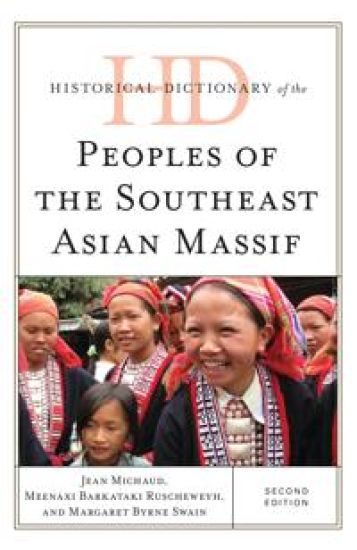
Dwelling in the highland areas of Northeast India, Bangladesh, Southwest China, Taiwan, Burma (Myanmar), Thailand, Cambodia, Vietnam, Laos, and Peninsular Malaysia are hundreds of “peoples”. Together their population adds up to 100 million, more than most of the countries they live in. Yet in each of these countries, they are regarded as minorities. This second edition of Historical Dictionary of the Peoples of the Southeast Asian Massif contains a chronology, an introduction, and an extensive bibliography. The dictionary section has over 700 cross-referenced entries on about 300 groups, the ten countries they live in, their historical figures, and their salient political, economic, social, cultural and religious aspects. This book is an excellent access point for students, researchers, and anyone wanting to know more.
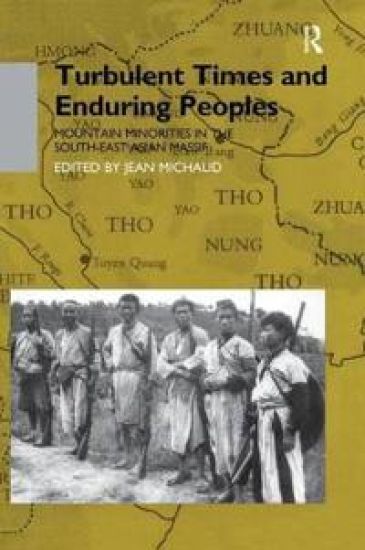
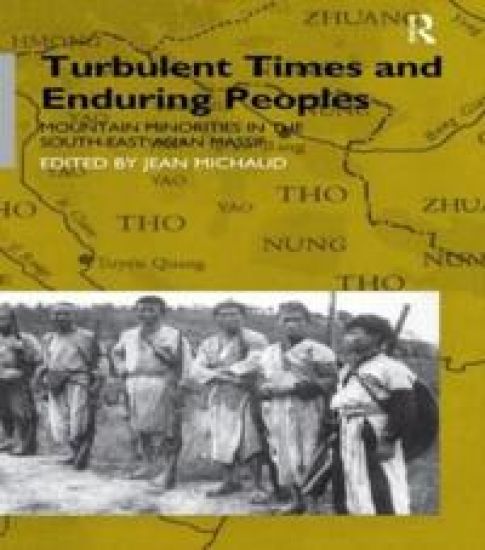
Scattered across the South-East Asian massif, a few dozen ethnic groups (numbering around 50 million) maintain highly original cultural identities and political and economic traditions, against pressure from national majorities. They face the same challenges. The means by which social change has been imposed by the lowlanders are similar from country to country, and the results are comparable. The originality of this book lies in the combination of multi-disciplinary mixing of social anthropology, history and human geography; multi-culturality grouping together several cultural contexts; trans-nationality straddling five countries and bridging the traditional divide between South China and Mainland South-East Asia; and history reaching back 300 years.
Do ethnic minorities have the power to alter the course of their fortune when living within a socialist state? In Frontier Livelihoods, the authors focus their study on the Hmong - known in China as the Miao - in the Sino-Vietnamese borderlands, contending that individuals and households create livelihoods about which governments often know little.The product of wide-ranging research over many years, Frontier Livelihoods bridges the traditional divide between studies of China and peninsular Southeast Asia by examining the agency, dynamics, and resilience of livelihoods adopted by Hmong communities in Vietnam and in China's Yunnan Province. It covers the reactions to state modernization projects among this ethnic group in two separate national jurisdictions and contributes to a growing body of literature on cross-border relationships between ethnic minorities in the borderlands of China and its neighbors and in Southeast Asia more broadly.
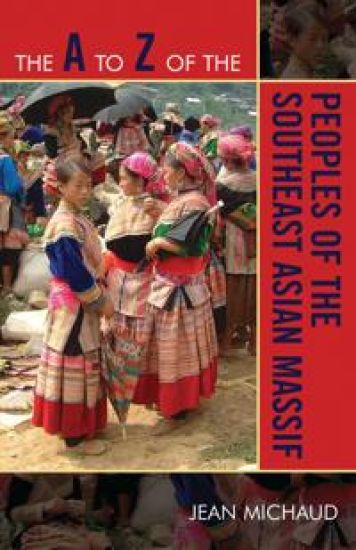
Dwelling in the highland areas of Cambodia, Laos, Vietnam, Thailand, Burma (Myanmar), and southwest China are hundreds of ethnic groups known as 'tribes' in popular literature. Some groups number barely more than one hundred, others millions. Together their population adds up to 80 million, more than any of the countries (bar China) they inhabit, yet in each they are designated and treated as "minorities." They have been forced to dwell in the highlands while their enemies have occupied the more fertile lowlands. This, coupled with the fact that they are so little known abroad and even at home, has caused their way of life and cultural distinctions to come in jeopardy. This book offers hundreds of cross-referenced dictionary entries on about 200 groups, the six countries they live in, some of their leaders, and their political, economic, social, cultural and religious aspects. The chronology covers important events. The introduction discusses both the diversities and similarities of the groups' ethnicities, languages, religious practices, and customs. The bibliography supplements the dictionary entries.
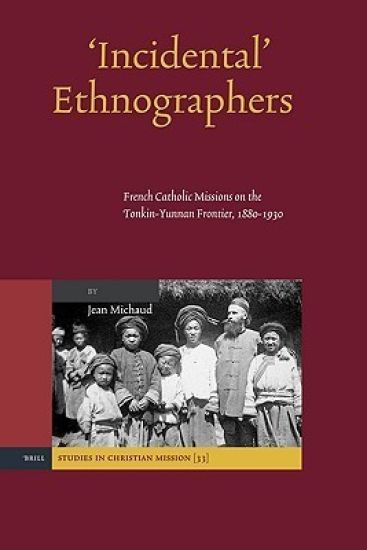
This book introduces, from an anthropological standpoint, French Catholic missionary colonial ethnographic writing from the highlands of north Vietnam and Yunnan at the turn of the 20th century, and searches for the genealogies of the intellectual influences at play.
Scattered across the South-East Asian massif, a few dozen ethnic groups (numbering around 50 million) maintain highly original cultural identities and political and economic traditions, against pressure from national majorities. They face the same challenges. The means by which social change has been imposed by the lowlanders are similar from country to country, and the results are comparable. The originality of this book lies in the combination of multi-disciplinary mixing of social anthropology, history and human geography; multi-culturality grouping together several cultural contexts; trans-nationality straddling five countries and bridging the traditional divide between South China and Mainland South-East Asia; and history reaching back 300 years.