
Kirjailija
Jean R. Soderlund
Kirjat ja teokset yhdessä paikassa: 8 kirjaa, julkaisuja vuosilta 1991-2026, suosituimpien joukossa Separate Paths. Vertaile teosten hintoja ja tarkista saatavuus suomalaisista kirjakaupoista.
8 kirjaa
Kirjojen julkaisuhaarukka 1991-2026.

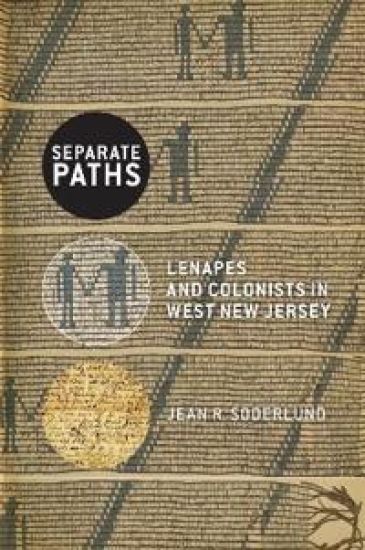
Separate Paths: Lenapes and Colonists in West New Jersey is the first cross-cultural study of European colonization in the region south of the Falls of the Delaware River (now Trenton). Lenape men and women welcomed their allies, the Swedes and Finns, to escape more rigid English regimes on the west bank of the Delaware, offering land to establish farms, share resources, and trade. In the 1670s, Quaker men and women challenged this model with strategies to acquire all Lenape territory for their own use and to sell as real estate to new immigrants. Though the Lenapes remained sovereign and “old settlers” retained their Swedish Lutheran religion and ethnic autonomy, the West Jersey proprietors had considerable success in excluding Lenapes from their land. The Friends believed God favored their endeavor with epidemics of smallpox and other European diseases that destroyed Lenape families and communities. Affluent Quakers also introduced enslavement of imported Africans and Natives—and the violence that sustained it—to a colony they had promoted with the liberal West New Jersey Concessions of 1676-77. Thus, they defied their prior experience of religious persecution and their principles of peaceful resolution of conflict, equality of everyone before God, and the golden rule to treat others as you wish to be treated. Despite mutual commitment to peace by Lenapes, old settlers, and Friends, Quaker colonization had similar results to military conquests of Natives by English in Virginia and New England, and Dutch in the Hudson Valley and northern New Jersey. Still, in alliance with old settlers, Lenape communities survived in areas outside the focus of English colonization, in the Pine Barrens, upper reaches of streams, and Atlantic shore.
Separate Paths: Lenapes and Colonists in West New Jersey is the first cross-cultural study of European colonization in the region south of the Falls of the Delaware River (now Trenton). Lenape men and women welcomed their allies, the Swedes and Finns, to escape more rigid English regimes on the west bank of the Delaware, offering land to establish farms, share resources, and trade. In the 1670s, Quaker men and women challenged this model with strategies to acquire all Lenape territory for their own use and to sell as real estate to new immigrants. Though the Lenapes remained sovereign and “old settlers” retained their Swedish Lutheran religion and ethnic autonomy, the West Jersey proprietors had considerable success in excluding Lenapes from their land. The Friends believed God favored their endeavor with epidemics of smallpox and other European diseases that destroyed Lenape families and communities. Affluent Quakers also introduced enslavement of imported Africans and Natives—and the violence that sustained it—to a colony they had promoted with the liberal West New Jersey Concessions of 1676-77. Thus, they defied their prior experience of religious persecution and their principles of peaceful resolution of conflict, equality of everyone before God, and the golden rule to treat others as you wish to be treated. Despite mutual commitment to peace by Lenapes, old settlers, and Friends, Quaker colonization had similar results to military conquests of Natives by English in Virginia and New England, and Dutch in the Hudson Valley and northern New Jersey. Still, in alliance with old settlers, Lenape communities survived in areas outside the focus of English colonization, in the Pine Barrens, upper reaches of streams, and Atlantic shore.
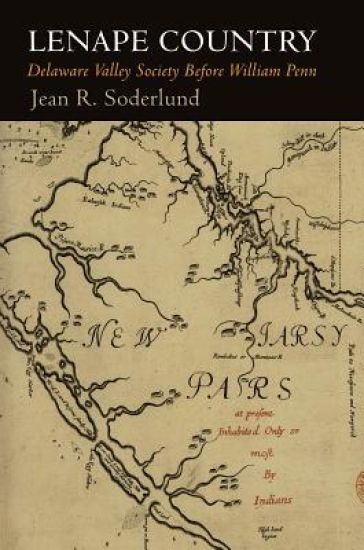
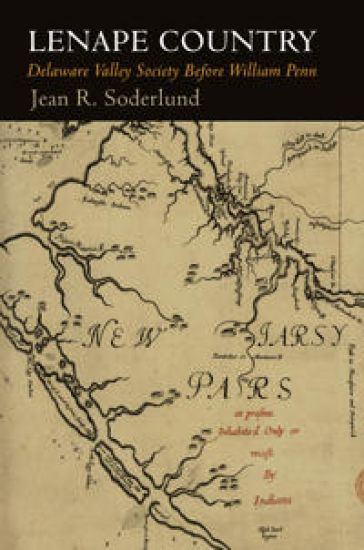
In 1631, when the Dutch tried to develop plantation agriculture in the Delaware Valley, the Lenape Indians destroyed the colony of Swanendael and killed its residents. The Natives and Dutch quickly negotiated peace, avoiding an extended war through diplomacy and trade. The Lenapes preserved their political sovereignty for the next fifty years as Dutch, Swedish, Finnish, and English colonists settled the Delaware Valley. The European outposts did not approach the size and strength of those in Virginia, New England, and New Netherland. Even after thousands of Quakers arrived in West New Jersey and Pennsylvania in the late 1670s and '80s, the region successfully avoided war for another seventy-five years. Lenape Country is a sweeping narrative history of the multiethnic society of the Delaware Valley in the seventeenth and early eighteenth centuries. After Swanendael, the Natives, Swedes, and Finns avoided war by focusing on trade and forging strategic alliances in such events as the Dutch conquest, the Mercurius affair, the Long Swede conspiracy, and English attempts to seize land. Drawing on a wide range of sources, author Jean R. Soderlund demonstrates that the hallmarks of Delaware Valley society-commitment to personal freedom, religious liberty, peaceful resolution of conflict, and opposition to hierarchical government-began in the Delaware Valley not with Quaker ideals or the leadership of William Penn but with the Lenape Indians, whose culture played a key role in shaping Delaware Valley society. The first comprehensive account of the Lenape Indians and their encounters with European settlers before Pennsylvania's founding, Lenape Country places Native culture at the center of this part of North America.

is book explores the growth of abolitionism among Quakers in Pennsylvania and New Jersey from 1688 to 1780, providing a case study of how groups change their moral attitudes. Dr. Soderlund details the long battle fought by reformers like gentle John Woolman and eccentric Benjamin Lay. The eighteenth-century Quaker humanitarians succeeded only after they diluted their goals to attract wider support, establishing a gradualistic, paternalistic, and segregationist model for the later antislavery movement. Originally published in 1985. The Princeton Legacy Library uses the latest print-on-demand technology to again make available previously out-of-print books from the distinguished backlist of Princeton University Press. These editions preserve the original texts of these important books while presenting them in durable paperback and hardcover editions. The goal of the Princeton Legacy Library is to vastly increase access to the rich scholarly heritage found in the thousands of books published by Princeton University Press since its founding in 1905.
In 1631, when the Dutch tried to develop plantation agriculture in the Delaware Valley, the Lenape Indians destroyed the colony of Swanendael and killed its residents. The Natives and Dutch quickly negotiated peace, avoiding an extended war through diplomacy and trade. The Lenapes preserved their political sovereignty for the next fifty years as Dutch, Swedish, Finnish, and English colonists settled the Delaware Valley. The European outposts did not approach the size and strength of those in Virginia, New England, and New Netherland. Even after thousands of Quakers arrived in West New Jersey and Pennsylvania in the late 1670s and '80s, the region successfully avoided war for another seventy-five years. Lenape Country is a sweeping narrative history of the multiethnic society of the Delaware Valley in the seventeenth and early eighteenth centuries. After Swanendael, the Natives, Swedes, and Finns avoided war by focusing on trade and forging strategic alliances in such events as the Dutch conquest, the Mercurius affair, the Long Swede conspiracy, and English attempts to seize land. Drawing on a wide range of sources, author Jean R. Soderlund demonstrates that the hallmarks of Delaware Valley society-commitment to personal freedom, religious liberty, peaceful resolution of conflict, and opposition to hierarchical government-began in the Delaware Valley not with Quaker ideals or the leadership of William Penn but with the Lenape Indians, whose culture played a key role in shaping Delaware Valley society. The first comprehensive account of the Lenape Indians and their encounters with European settlers before Pennsylvania's founding, Lenape Country places Native culture at the center of this part of North America.

is book explores the growth of abolitionism among Quakers in Pennsylvania and New Jersey from 1688 to 1780, providing a case study of how groups change their moral attitudes. Dr. Soderlund details the long battle fought by reformers like gentle John Woolman and eccentric Benjamin Lay. The eighteenth-century Quaker humanitarians succeeded only after they diluted their goals to attract wider support, establishing a gradualistic, paternalistic, and segregationist model for the later antislavery movement. Originally published in 1985. The Princeton Legacy Library uses the latest print-on-demand technology to again make available previously out-of-print books from the distinguished backlist of Princeton University Press. These editions preserve the original texts of these important books while presenting them in durable paperback and hardcover editions. The goal of the Princeton Legacy Library is to vastly increase access to the rich scholarly heritage found in the thousands of books published by Princeton University Press since its founding in 1905.
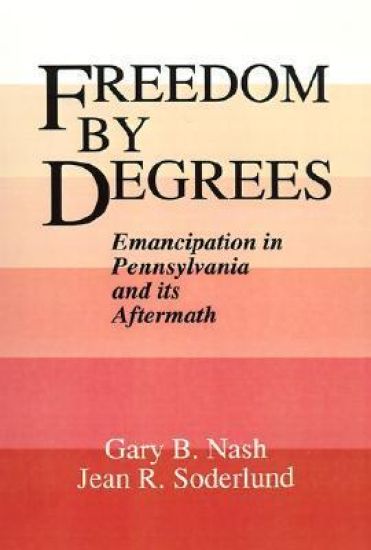
This book shows how slavery ended within a single generation at the end of the eighteenth century in the important colony/state of Pennsylvania. The authors have made a study of the slaveholders themselves in order to understand the process by which most slaves were given freedom without legislative or judicial efforts and without compensation to their masters. The book also traces a number of individual cases which show the varying processes by which slaves brought pressure for emancipation. This book represents a major milestone in our understanding of slavery and how it was effectively abolished.