Kirjojen hintavertailu. Mukana 12 390 323 kirjaa ja 12 kauppaa.

Kirjailija

Jeanne C. Watson

Kirjat ja teokset yhdessä paikassa: 5 kirjaa, julkaisuja vuosilta 1999-2025, suosituimpien joukossa Expressing Emotion. Vertaile teosten hintoja ja tarkista saatavuus suomalaisista kirjakaupoista.

5 kirjaa

Kirjojen julkaisuhaarukka 1999-2025.

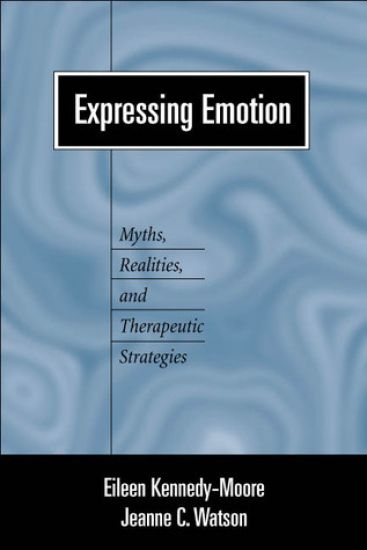
Expressing Emotion

Expressing Emotion

Eileen Kennedy-Moore; Jeanne C. Watson

Guilford Publications
1999
sidottu
Emotional expression is the link between internal experience and the outside world. It is intimately connected to who we are, how we feel, and how we relate to others. In daily life, expression enables people to communicate with each other and influence relationships; in psychotherapy, it provides important information about how clients are feeling and how they are relating to the therapist. This lucid volume examines expressions of such feelings as love, anger, and sadness, and highlights the individual and interpersonal processes that shape emotional behavior. It offers a lively and comprehensive discussion of the role of emotional expression and nonexpression in individual adaptation, social interaction, and therapeutic process.Drawing upon extensive theory and research, the authors provide coherent guidelines to help clinicians, researchers, and students identify, conceptualize, and treat problems in emotional behavior. They show that expression and nonexpression come in many different forms, with a wide range of personal and relational consequences. The effects of expressing one's feelings depend on what is expressed, to whom, in what way, and in what context. Expression can lead to greater self-knowledge, enhanced coping, and fuller intimacy, but it can also result in embarrassment, misunderstanding, or rejection. Conversely, nonexpression can involve a frustrating lack of opportunity to express, or problems in accessing or articulating feelings, but it can also reflect cultural values or effective coping efforts. Through vivid clinical examples, the authors illuminate a range of problems related to both expression and nonexpression, and provide insight into how these can be addressed in individual and couple therapy.This practical and clearly written guide is an important resource for teachers, students, and researchers of clinical, counseling, social, personality, and health psychology, as well as practicing counselors and psychotherapists. It will also serve as a text in advanced undergraduate and graduate-level courses on emotion and interpersonal communication, and in graduate-level counseling and psychotherapy seminars.
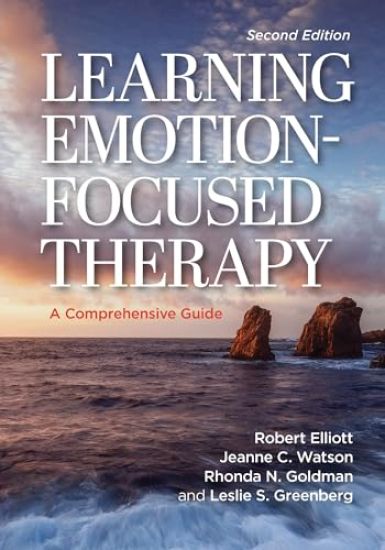
Learning Emotion-Focused Therapy

Learning Emotion-Focused Therapy

Jr. Elliott; Jeanne C. Watson; Rhonda N. Goldman; Leslie S. Greenberg

AMERICAN PSYCHOLOGICAL ASSOCIATION
2025
pokkari
Updates a classic emotion-focused therapy reference with over 20 years of research and theory. The first edition of this book became the standard reference and training work for a generation of emotion-focused therapy (EFT) therapists. This second edition aims to inspire the next generation of EFT therapists by fully updating the first edition's coverage of EFT theory and practice, while also describing the most exciting theoretical, practical, and organizational developments of the past 20 years. Updates in this new edition include: New integrated models of emotional deepening and EFT case formulation; New questions and activities for self-reflection; Deepened theoretical formulations of the nature and functions of emotions including anger and shame; A comprehensive review of the existing research base in EFT; A supplemental website with course materials to enhance teaching and training. In EFT, therapists cultivate a deeply empathic, caring presence and offer therapeutic work that follows the client's lead while providing gentle, flexible guidance of their process. The goal is to facilitate a process of emotional deepening in clients as they move from global distress, to core pain, to useful adaptive emotions.
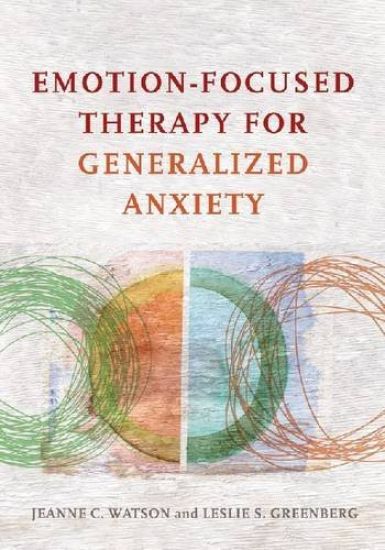
Emotion-Focused Therapy for Generalized Anxiety

Emotion-Focused Therapy for Generalized Anxiety

Jeanne C. Watson; Leslie S. Greenberg

American Psychological Association
2017
sidottu
Generalized anxiety disorder (GAD)--characterized by near-constant worry that often coincides with intense feelings of shame and despair--is a highly treatment-resistant disorder, with clients often relapsing after making some progress. Master therapists Jeanne C. Watson and Leslie S. Greenberg argue, however, that emotion-focused therapy (EFT) is uniquely capable of targeting the maladaptive emotional schemes that underlie GAD and helping clients maintain lasting, positive change. In this practical guide, Watson and Greenberg teach mental health practitioners how to employ EFT methods in their work with GAD clients. The authors first review EFT amp rsquo s conceptualization of GAD, emphasizing the key role that emotion plays in pervasive anxiety. They then translate those foundational principles into detailed techniques and strategies as they walk readers through the EFT process, beginning with the establishment of a healing therapeutic relationship. Chapters review different stages of EFT, describing specific therapeutic exercises, such as empty-chair and two-chair tasks, that allow clients to vocalize and directly address their deep-rooted emotional pain, anxieties, and relational injuries with significant others. Through this work, clients eventually learn to self-soothe and transform their maladaptive coping mechanisms into healthier ones. Sample client-therapist dialogues demonstrate how these EFT techniques can be applied in actual practice.
Emotion-Focused Therapy for Depression

Emotion-Focused Therapy for Depression

Leslie S. Greenberg; Jeanne C. Watson

American Psychological Association
2005
sidottu
In Emotion-Focused Therapy for Depression, Leslie S. Greenberg and Jeanne C. Watson, well-regarded scholars and leading figures in the field, provide a manual for the emotion-focused treatment (EFT) of depression. This approach is supported by studies in which EFT for depression was compared with Cognitive-Behavioral Therapy, Client-Centered Therapy, and then both. The approach has been refined to apply specifically to the treatment of this pervasive and often intractable disorder. The authors discuss the nature of depression and its treatment, examine the role of emotion, present a schematic model of depression and an overview of the course of treatment, and suggest who might benefit. Written with a practical focus rather than the more academic theoretical style of previous books that established the theoretical grounds and scientific viability of working with emotion in psychotherapy, this book aims to introduce practitioners to the idea of using this approach to work with a depressed population. The book covers theory, case formulation, treatment, and research in a way that makes this complex form of therapy accessible to all readers. Particularly valuable are the case examples, which demonstrate the deliberate and skillful use of techniques to leverage emotional awareness and thus bring about change.
Expressing Emotion

Expressing Emotion

Eileen Kennedy-Moore; Jeanne C. Watson

Guilford Publications
2001
nidottu
Emotional expression is the link between internal experience and the outside world. It is intimately connected to who we are, how we feel, and how we relate to others. In daily life, expression enables people to communicate with each other and influence relationships; in psychotherapy, it provides important information about how clients are feeling and how they are relating to the therapist. This lucid volume examines expressions of such feelings as love, anger, and sadness, and highlights the individual and interpersonal processes that shape emotional behavior. It offers a lively and comprehensive discussion of the role of emotional expression and nonexpression in individual adaptation, social interaction, and therapeutic process.Drawing upon extensive theory and research, the authors provide coherent guidelines to help clinicians, researchers, and students identify, conceptualize, and treat problems in emotional behavior. They show that expression and nonexpression come in many different forms, with a wide range of personal and relational consequences. The effects of expressing one's feelings depend on what is expressed, to whom, in what way, and in what context. Expression can lead to greater self-knowledge, enhanced coping, and fuller intimacy, but it can also result in embarrassment, misunderstanding, or rejection. Conversely, nonexpression can involve a frustrating lack of opportunity to express, or problems in accessing or articulating feelings, but it can also reflect cultural values or effective coping efforts. Through vivid clinical examples, the authors illuminate a range of problems related to both expression and nonexpression, and provide insight into how these can be addressed in individual and couple therapy.This practical and clearly written guide is an important resource for teachers, students, and researchers of clinical, counseling, social, personality, and health psychology, as well as practicing counselors and psychotherapists. It will also serve as a text in advanced undergraduate and graduate-level courses on emotion and interpersonal communication, and in graduate-level counseling and psychotherapy seminars.