Kirjojen hintavertailu. Mukana 12 542 840 kirjaa ja 12 kauppaa.

Kirjailija

Jeffrey E. Anderson

Kirjat ja teokset yhdessä paikassa: 3 kirjaa, julkaisuja vuosilta 2008-2024, suosituimpien joukossa Voodoo. Vertaile teosten hintoja ja tarkista saatavuus suomalaisista kirjakaupoista.

3 kirjaa

Kirjojen julkaisuhaarukka 2008-2024.

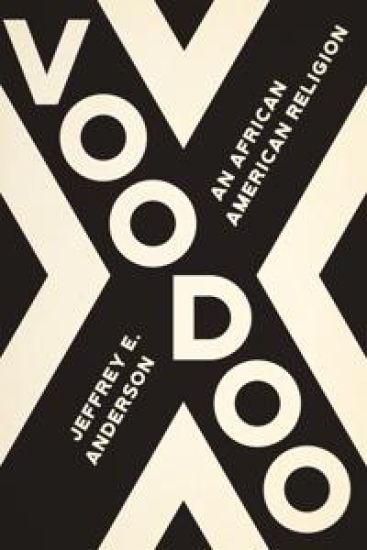
Voodoo

Voodoo

Jeffrey E. Anderson

LOUISIANA STATE UNIVERSITY PRESS
2024
sidottu
Despite several decades of scholarship on African diasporic religion, Voodoo remains underexamined, and the few books published on the topic contain inaccuracies and outmoded arguments. In Voodoo: An African American Religion, Jeffrey E. Anderson presents a much-needed modern account of the faith as it existed in the Mississippi River valley from colonial times to the mid-twentieth century, when, he argues, it ceased to thrive as a living tradition.Anderson provides a solid scholarly foundation for future work by systematizing the extant information on a religion that has long captured the popular imagination as it has simultaneously engendered fear and ridicule. His book stands as the most complete study of the faith yet produced and rests on more than two decades of research, utilizing primary source material alongside the author's own field studies in New Orleans, Haiti, Cuba, Senegal, Benin, Togo, and the Republic of Congo. The result serves as an enduring resource on Mississippi River valley Voodoo, Louisiana, and the greater African Diaspora.
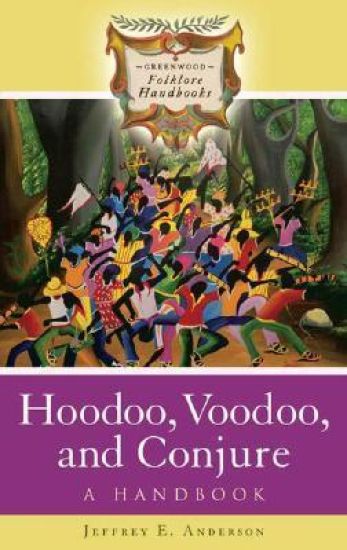
Hoodoo, Voodoo, and Conjure

Hoodoo, Voodoo, and Conjure

Jeffrey E. Anderson

Greenwood Press
2008
sidottu
Hoodoo, voodoo, and conjure are part of a mysterious world of African American spirituality that has long captured the popular imagination. These magical beliefs and practices have figured in literary works by such authors as Toni Morrison, Alice Walker, and Ishmael Reed, and they have been central to numerous films, such as The Skeleton Key. Written for students and general readers, this book is a convenient introduction to hoodoo, voodoo, and conjure. The volume begins by defining and classifying elements of these spiritual traditions. It then provides a wide range of examples and texts, which illustrate the richness of these beliefs and practices. It also examines the scholarly response to hoodoo, voodoo, and conjure, and it explores the presence of hoodoo, voodoo, and conjure in popular culture. The volume closes with a glossary and bibliography. Students in social studies classes will use this book to learn more about African American magical beliefs, while literature students will enjoy its exploration of primary sources and literary works.
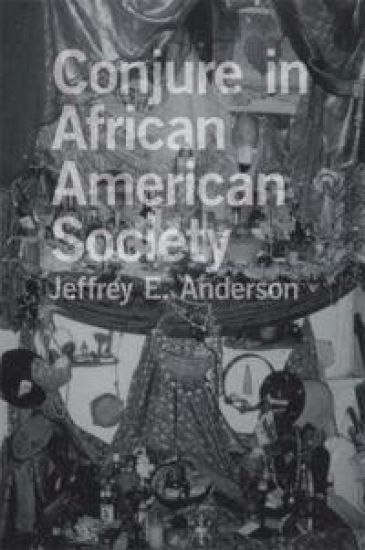
Conjure in African American Society

Conjure in African American Society

Jeffrey E. Anderson

Louisiana State University Press
2008
nidottu
From black sorcerers' client-based practices in the antebellum South to the postmodern revival of hoodoo and its tandem spiritual supply stores, the supernatural has long been a key component of the African American experience. What began as a mixture of African, European, and Native American influences within slave communities finds expression today in a multimillion dollar business. In Conjure in African American Society, Jeffrey E. Anderson unfolds a fascinating story as he traces the origins and evolution of conjuring practices across the centuries. Though some may see the study of conjure as a perpetuation of old stereotypes that depict blacks as bound to superstition, the truth, Anderson reveals, is far more complex. Drawing on folklore, fiction and nonfiction, music, art, and interviews, he explores various portrayals of the conjurer -- backward buffoon, rebel against authority, and symbol of racial pride. He also examines the actual work performed by conjurers, including the use of pharmacologically active herbs to treat illness, psychology to ease mental ailments, fear to bring about the death of enemies and acquittals at trials, and advice to encourage clients to succeed on their own. By critically examining the many influences that have shaped conjure over time, Anderson effectively redefines magic as a cultural power, one that has profoundly touched the arts, black Christianity, and American society overall.