Kirjojen hintavertailu. Mukana 12 595 353 kirjaa ja 12 kauppaa.

Kirjailija

Jen Corrinne Brown

Kirjat ja teokset yhdessä paikassa: 3 kirjaa, julkaisuja vuosilta 2015-2017, suosituimpien joukossa Trout Culture. Vertaile teosten hintoja ja tarkista saatavuus suomalaisista kirjakaupoista.

3 kirjaa

Kirjojen julkaisuhaarukka 2015-2017.

Trout Culture

Trout Culture

Jen Corrinne Brown

University of Washington Press
2017
pokkari
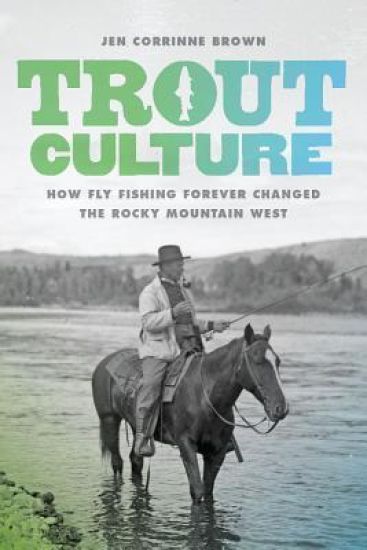
From beer labels to literary classics like A River Runs Through It, trout fishing is a beloved feature of the iconography of the American West. But as Jen Brown demonstrates in Trout Culture: How Fly Fishing Forever Changed the Rocky Mountain West, the popular conception of Rocky Mountain trout fishing as a quintessential experience of communion with nature belies the sport's long history of environmental manipulation, engineering, and, ultimately, transformation. A fly-fishing enthusiast herself, Brown places the rise of recreational trout fishing in a local and global context. Globally, she shows how the European sport of fly-fishing came to be a defining, tourist-attracting feature of the expanding 19th-century American West. Locally, she traces the way that the burgeoning fly-fishing tourist industry shaped the environmental, economic, and social development of the Western United States: introducing and stocking favored fish species, eradicating the less favored native "trash fish," changing the courses of waterways, and leading to conflicts with Native Americans' fishing and territorial rights. Through this analysis, Brown demonstrates that the majestic trout streams often considered a timeless feature of the American West are in fact the product of countless human interventions adding up to a profound manipulation of the Rocky Mountain environment.https://www.youtube.com/watch?v=ZKMwEkKj9jg
Backcasts

Backcasts

Jen Corrinne Brown

University of Chicago Press
2016
sidottu
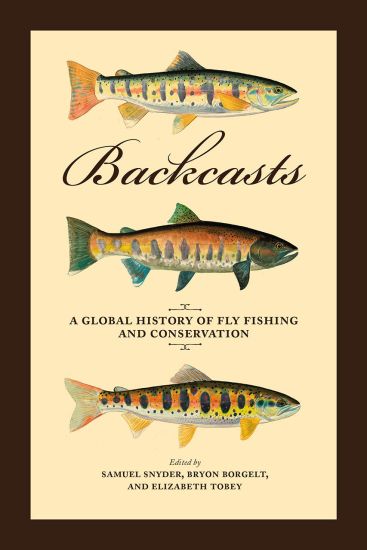
“Many of us probably would be better fishermen if we did not spend so much time watching and waiting for the world to become perfect.”-Norman Maclean Though Maclean writes of an age-old focus of all anglers—the day’s catch—he may as well be speaking to another, deeper accomplishment of the best fishermen and fisherwomen: the preservation of natural resources.Backcasts celebrates this centuries-old confluence of fly fishing and conservation. However religious, however patiently spiritual the tying and casting of the fly may be, no angler wishes to wade into rivers of industrial runoff or cast into waters devoid of fish or full of invasive species like the Asian carp. So it comes as no surprise that those who fish have long played an active, foundational role in the preservation, management, and restoration of the world’s coldwater fisheries. With sections covering the history of fly fishing; the sport’s global evolution, from the rivers of South Africa to Japan; the journeys of both native and nonnative trout; and the work of conservation organizations such as the Federation of Fly Fishers and Trout Unlimited, Backcasts casts wide. Highlighting the historical significance of outdoor recreation and sports to conservation in a collection important for fly anglers and scholars of fisheries ecology, conservation history, and environmental ethics, Backcasts explores both the problems anglers and their organizations face and how they might serve as models of conservation—in the individual trout streams, watersheds, and landscapes through which these waters flow.
Trout Culture

Trout Culture

Jen Corrinne Brown

University of Washington Press
2015
sidottu
From beer labels to literary classics like A River Runs Through It, trout fishing is a beloved feature of the iconography of the American West. But as Jen Brown demonstrates in Trout Culture: How Fly Fishing Forever Changed the Rocky Mountain West, the popular conception of Rocky Mountain trout fishing as a quintessential experience of communion with nature belies the sport's long history of environmental manipulation, engineering, and, ultimately, transformation. A fly-fishing enthusiast herself, Brown places the rise of recreational trout fishing in a local and global context. Globally, she shows how the European sport of fly-fishing came to be a defining, tourist-attracting feature of the expanding 19th-century American West. Locally, she traces the way that the burgeoning fly-fishing tourist industry shaped the environmental, economic, and social development of the Western United States: introducing and stocking favored fish species, eradicating the less favored native "trash fish," changing the courses of waterways, and leading to conflicts with Native Americans' fishing and territorial rights. Through this analysis, Brown demonstrates that the majestic trout streams often considered a timeless feature of the American West are in fact the product of countless human interventions adding up to a profound manipulation of the Rocky Mountain environment.https://www.youtube.com/watch?v=ZKMwEkKj9jg