Kirjojen hintavertailu. Mukana 12 595 353 kirjaa ja 12 kauppaa.

Kirjailija

Jennie Batchelor

Kirjat ja teokset yhdessä paikassa: 15 kirjaa, julkaisuja vuosilta 2010-2024, suosituimpien joukossa Jane Austen Embroidery. Vertaile teosten hintoja ja tarkista saatavuus suomalaisista kirjakaupoista.

15 kirjaa

Kirjojen julkaisuhaarukka 2010-2024.

The Lady's Magazine (1770 1832) and the Making of Literary History
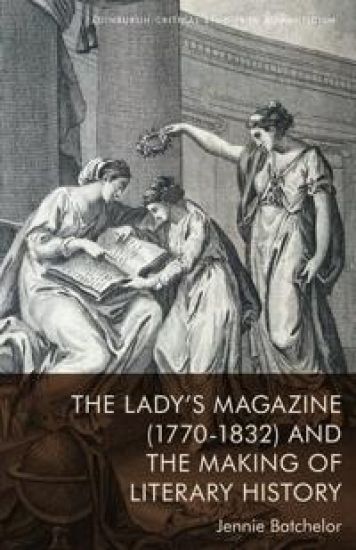
In December 1840, Charlotte Bronte wrote in a letter to Hartley Coleridge that she wished 'with all [her] heart' that she 'had been born in time to contribute to the Lady's magazine'. Nearly two centuries later, the cultural and literary importance of a monthly publication that for six decades championed women's reading and women's writing has yet to be documented. This book offers the first sustained account of The Lady's Magazine. Across six chapters devoted to the publication's eclectic and evolving contents, as well as its readers and contributors, The Lady's Magazine (1770 1832) and the Making of Literary History illuminates the periodical's achievements and influence, and reveals what this vital period of literary history looks like when we see it anew through the lens of one of its most long-lived and popular publications.
The Lady's Magazine (1770-1832) and the Making of Literary History
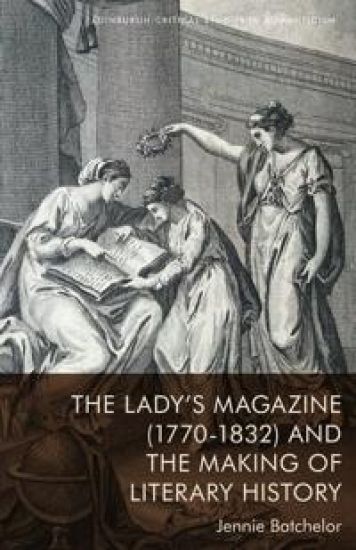
In December 1840, Charlotte Bronte wrote in a letter to Hartley Coleridge that she wished 'with all [her] heart' that she 'had been born in time to contribute to the Lady's magazine'. Nearly two centuries later, the cultural and literary importance of a monthly publication that for six decades championed women's reading and women's writing has yet to be documented. This book offers the first sustained account of The Lady's Magazine. Across six chapters devoted to the publication's eclectic and evolving contents, as well as its readers and contributors, The Lady's Magazine (1770 1832) and the Making of Literary History illuminates the periodical's achievements and influence, and reveals what this vital period of literary history looks like when we see it anew through the lens of one of its most long-lived and popular publications.
Jane Austen Embroidery: Regency Patterns Reimagined for Modern Stitchers

Jane Austen Embroidery: Regency Patterns Reimagined for Modern Stitchers

Jennie Batchelor; Alison Larkin

DOVER PUBLICATIONS
2020
nidottu
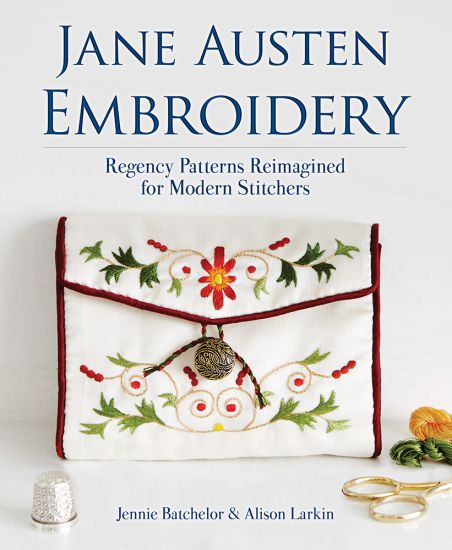
Jane Austen was as skillful with a needle as she was with a pen, and this unique book showcases rare and beautiful embroidery patterns from her era, repurposed into 15 modern sewing projects. Derived from Lady's Magazine (1770-1832), a popular monthly periodical of fashion, fiction, and gossip, the projects consist of embroidered clothes, accessories, and housewares. Designs include an evening bag, a muslin shawl, an apron, a floral napkin set and tablecloth, and other pretty and practical items with timeless appeal. These authentic patterns -- many of which have not been reprinted in more than 200 years--are enlivened by vivid glimpses into the world of Regency women and their domestic lives. Fascinating historical features, quotes from Austen's letters and novels, enchanting drawings, clear instructions, and inspirational project photography trace the patterns' origins and illustrate their imaginative restoration for modern use. A must-have for every Jane Austen fan, this book is suitable for needleworkers at every level of experience.
Jane Austen Embroidery

Jane Austen Embroidery

Jennie Batchelor; Alison Larkin

Pavilion Books
2020
sidottu
15 beautiful embroidery projects from the era of Jane Austen. Jane Austen was as skilful with a needle as she was with a pen. This unique book from Jennie Batchelor and Alison Larkin showcases recently discovered 18th century embroidery patterns expertly repurposed into 15 exciting modern stitching projects. The patterns and projects are brought to life with glimpses into the world of Regency women and their domestic lives by lively historical features, quotes from Jane Austen’s letters and novels, enchanting illustrations and inspirational project photography. The book opens with an illustrated introduction on historical embroidery. Next comes the materials and methods section, clearly explaining the key stitches, as well as providing information on threads, fabrics and frames. The practical section includes 15 projects for modern items. The projects are divided into three chapters according to the item the 18th century pattern was originally intended for with patterns for different skill levels: Embroidered Clothes: Dressed to Impress: Projects include Simple Sprig Pattern (Two Ways), Pencil Case, Clutch Purse, Apron, Housewife.Embroidered Accessories: How Do You Like My Trimming?: Projects include Napkin Set, Mobile Phone Pouch, Tablet Sleeve, Jewellery Pouch, Muslin Shawl.Embroidery for the Home: A ‘Nest of Comforts’: Projects include Tea Box Top, Work Bag, Cushion, Sewing Set, Tablecloth. It is more than likely that Jane herself would have used these very patterns for her own embroidery, and now, with Jennie and Alison’s help, readers can stitch-a-long with Jane to make a selection of beautifully embroidered, practical items.
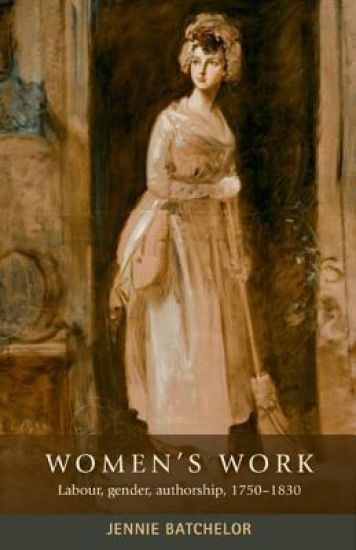
Women's Work

Women's Work

Jennie Batchelor

Manchester University Press
2014
nidottu
Women’s work challenges influential accounts about gender and the novel by revealing the complex ways in which labour informed the lives and writing of a number of middling and genteel women authors publishing between 1750 and 1830.This book provides a particularly rich, yet largely neglected, seam of texts for exploring the vexed relationship between gender, work and writing. The four chapters that follow contain thoroughly contextualised case studies of the treatment of manual, intellectual and domestic labour in the work and careers of Sarah Scott, Charlotte Smith, Mary Wollstonecraft and women applicants to the writer’s charity, the Literary Fund. By making women’s work visible in our studies of female-authored fiction of the period, Batchelor reveals the crucial role that these women played in articulating debates about the gendered division of labour, the (in)compatibility of women’s domestic and professional lives and the status and true value of women’s work that shaped eighteenth-century culture as surely as they shape our own.