Kirjojen hintavertailu. Mukana 12 657 676 kirjaa ja 12 kauppaa.

Kirjailija

Jennifer Guiliano

Kirjat ja teokset yhdessä paikassa: 4 kirjaa, julkaisuja vuosilta 2015-2022, suosituimpien joukossa A Primer for Teaching Digital History. Vertaile teosten hintoja ja tarkista saatavuus suomalaisista kirjakaupoista.

4 kirjaa

Kirjojen julkaisuhaarukka 2015-2022.

A Primer for Teaching Digital History

A Primer for Teaching Digital History

Jennifer Guiliano

DUKE UNIVERSITY PRESS
2022
sidottu
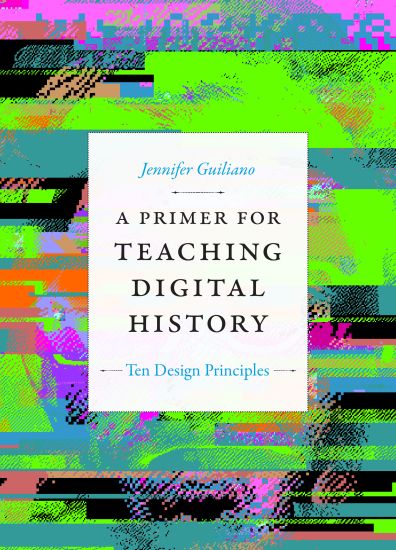
A Primer for Teaching Digital History is a guide for college and high school teachers who are teaching digital history for the first time or for experienced teachers who want to reinvigorate their pedagogy. It can also serve those who are training future teachers to prepare their own syllabi, as well as teachers who want to incorporate digital history into their history courses. Offering design principles for approaching digital history that represent the possibilities that digital research and scholarship can take, Jennifer Guiliano outlines potential strategies and methods for building syllabi and curricula. Taking readers through the process of selecting data, identifying learning outcomes, and determining which tools students will use in the classroom, Guiliano outlines popular research methods including digital source criticism, text analysis, and visualization. She also discusses digital archives, exhibits, and collections as well as audiovisual and mixed-media narratives such as short documentaries, podcasts, and multimodal storytelling. Throughout, Guiliano illuminates how digital history can enhance understandings of not just what histories are told but how they are told and who has access to them.
A Primer for Teaching Digital History

A Primer for Teaching Digital History

Jennifer Guiliano

DUKE UNIVERSITY PRESS
2022
pokkari
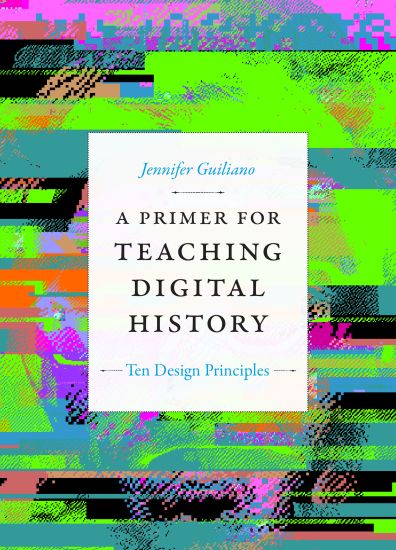
A Primer for Teaching Digital History is a guide for college and high school teachers who are teaching digital history for the first time or for experienced teachers who want to reinvigorate their pedagogy. It can also serve those who are training future teachers to prepare their own syllabi, as well as teachers who want to incorporate digital history into their history courses. Offering design principles for approaching digital history that represent the possibilities that digital research and scholarship can take, Jennifer Guiliano outlines potential strategies and methods for building syllabi and curricula. Taking readers through the process of selecting data, identifying learning outcomes, and determining which tools students will use in the classroom, Guiliano outlines popular research methods including digital source criticism, text analysis, and visualization. She also discusses digital archives, exhibits, and collections as well as audiovisual and mixed-media narratives such as short documentaries, podcasts, and multimodal storytelling. Throughout, Guiliano illuminates how digital history can enhance understandings of not just what histories are told but how they are told and who has access to them.
Indian Spectacle

Indian Spectacle

Jennifer Guiliano

Rutgers University Press
2015
sidottu
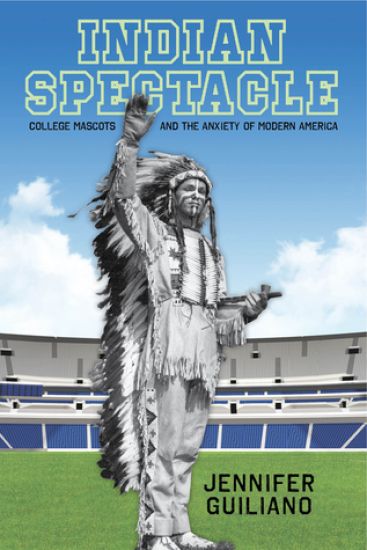
Amid controversies surrounding the team mascot and brand of the Washington Redskins in the National Football League and the use of mascots by K–12 schools, Americans demonstrate an expanding sensitivity to the pejorative use of references to Native Americans by sports organizations at all levels. In Indian Spectacle, Jennifer Guiliano exposes the anxiety of American middle-class masculinity in relation to the growing commercialization of collegiate sports and the indiscriminate use of Indian identity as mascots. Indian Spectacle explores the ways in which white, middle-class Americans have consumed narratives of masculinity, race, and collegiate athletics through the lens of Indian-themed athletic identities, mascots, and music. Drawing on a cross-section of American institutions of higher education, Guiliano investigates the role of sports mascots in the big business of twentieth-century American college football in order to connect mascotry to expressions of community identity, individual belonging, stereotyped imagery, and cultural hegemony. Against a backdrop of the current level of the commercialization of collegiate sports—where the collective revenue of the fifteen highest grossing teams in Division I of the National Collegiate Athletic Association (NCAA) has well surpassed one billion dollars—Guiliano recounts the history of the creation and spread of mascots and university identities as something bound up in the spectacle of halftime performance, the growth of collegiate competition, the influence of mass media, and how athletes, coaches, band members, spectators, university alumni, faculty, and administrators, artists, writers, and members of local communities all have contributed to the dissemination of ideas of Indianness that is rarely rooted in native people’s actual lives.
Indian Spectacle

Indian Spectacle

Jennifer Guiliano

Rutgers University Press
2015
nidottu
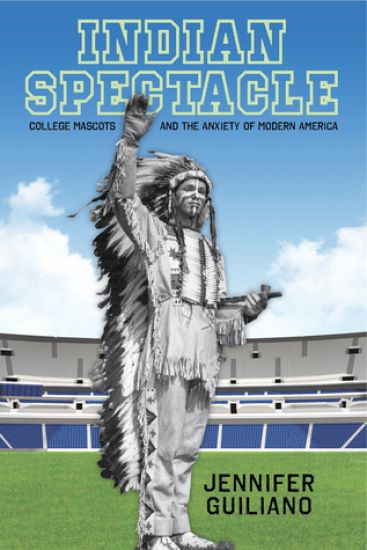
Amid controversies surrounding the team mascot and brand of the Washington Redskins in the National Football League and the use of mascots by K–12 schools, Americans demonstrate an expanding sensitivity to the pejorative use of references to Native Americans by sports organizations at all levels. In Indian Spectacle, Jennifer Guiliano exposes the anxiety of American middle-class masculinity in relation to the growing commercialization of collegiate sports and the indiscriminate use of Indian identity as mascots. Indian Spectacle explores the ways in which white, middle-class Americans have consumed narratives of masculinity, race, and collegiate athletics through the lens of Indian-themed athletic identities, mascots, and music. Drawing on a cross-section of American institutions of higher education, Guiliano investigates the role of sports mascots in the big business of twentieth-century American college football in order to connect mascotry to expressions of community identity, individual belonging, stereotyped imagery, and cultural hegemony. Against a backdrop of the current level of the commercialization of collegiate sports—where the collective revenue of the fifteen highest grossing teams in Division I of the National Collegiate Athletic Association (NCAA) has well surpassed one billion dollars—Guiliano recounts the history of the creation and spread of mascots and university identities as something bound up in the spectacle of halftime performance, the growth of collegiate competition, the influence of mass media, and how athletes, coaches, band members, spectators, university alumni, faculty, and administrators, artists, writers, and members of local communities all have contributed to the dissemination of ideas of Indianness that is rarely rooted in native people’s actual lives.