Kirjojen hintavertailu. Mukana 12 390 323 kirjaa ja 12 kauppaa.

Kirjailija

Jennifer Roche

Kirjat ja teokset yhdessä paikassa: 3 kirjaa, julkaisuja vuosilta 2009-2020, suosituimpien joukossa 20,. Vertaile teosten hintoja ja tarkista saatavuus suomalaisista kirjakaupoista.

3 kirjaa

Kirjojen julkaisuhaarukka 2009-2020.

20,

20,

Jennifer Roche

Alternating Current
2020
pokkari
First serialized in a French periodical between March 1869 and June 1870, Jules Verne's 20,000 Leagues under the Sea forever changed not only the arena of fiction as we knew it, but our relationship to the sea. Considered by most to be one of the earliest works of science fiction, Verne's imaginative, wondrous novel has lent itself to hundreds of translations and interpretations the world over, introducing new generations to a fathomless world of infinite mystery and unearthly beauty from the depths. In the twenty-first century, however, it's hard to imagine the bottomless ocean without the comprehension of all the harm and shifts that humans have wrought to this natural marvel from which all life sprang. In text artist and poet Jennifer Roche's erasure of Verne's classic, this contemporary sensibility and awareness meets the adventurous realm of an ancient underwater sci-fi. With a mix of mourning, precaution, awe, and fascination, Roche has given urgent context to old words, and ignited them with new breath. Pulling in our post-industrial world on the cusp of the Anthropocene, with its gun violence, refugees, war, overstuffed prisons, climate change, and destruction of natives-both human and nonhuman alike-Roche has begged of us a furious calling to protect and cherish the seas that swirl around us. She has transformed a classic into fresh work that stands on its own merit, reaching into the past to speak to our troubling modern times, and reminding us: the sea is everything.
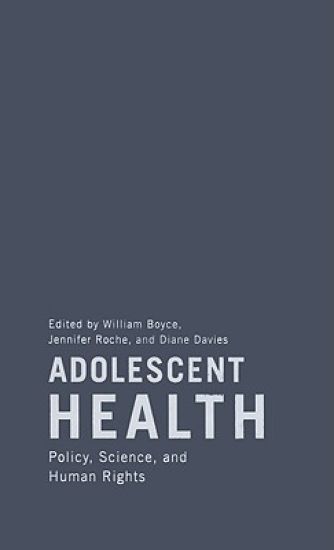
Adolescent Health

Adolescent Health

William Boyce; Jennifer Roche; Diane Davies

McGill-Queen's University Press
2009
sidottu
Current policy initiatives that address the health of youth, a group where more than one set of developmental standards may apply, often are based on conflicting evidence. At the same time, the UN Convention on the Rights of the Child has provided an over-arching ethical framework with the goal of ensuring that all children and youth have equal human rights, regardless of their personal or family circumstances. How do these approaches coincide and are they working? In Adolescent Health a contemporary setting is used to illustrate the intersection of evidence and ethics in policy making. Individual chapters describe the social determinants of youth health (chronic conditions, ethnicity, family income, school and peer relationships) and youth health behaviours and outcomes (substance use, violence, sexual and physical activity). Within this broad landscape of youth health issues, the authors apply the human rights principles of the Convention to their research to illustrate the often competing frameworks of evidence and ethics. The underlying question is whether social policy, in the real world, depends on science or human rights. Current knowledge translation practices are examined to detect the pathway most likely to influence youth health policy.
Adolescent Health

Adolescent Health

William Boyce; Jennifer Roche; Diane Davies

McGill-Queen's University Press
2009
nidottu
Current policy initiatives that address the health of youth, a group where more than one set of developmental standards may apply, often are based on conflicting evidence. At the same time, the UN Convention on the Rights of the Child has provided an over-arching ethical framework with the goal of ensuring that all children and youth have equal human rights, regardless of their personal or family circumstances. How do these approaches coincide and are they working? In Adolescent Health a contemporary setting is used to illustrate the intersection of evidence and ethics in policy making. Individual chapters describe the social determinants of youth health (chronic conditions, ethnicity, family income, school and peer relationships) and youth health behaviours and outcomes (substance use, violence, sexual and physical activity). Within this broad landscape of youth health issues, the authors apply the human rights principles of the Convention to their research to illustrate the often competing frameworks of evidence and ethics. The underlying question is whether social policy, in the real world, depends on science or human rights. Current knowledge translation practices are examined to detect the pathway most likely to influence youth health policy.