Kirjojen hintavertailu. Mukana 12 530 820 kirjaa ja 12 kauppaa.

Kirjailija

Jeremy A. Sabloff

Kirjat ja teokset yhdessä paikassa: 7 kirjaa, julkaisuja vuosilta 1978-2010, suosituimpien joukossa Archaeology Matters. Vertaile teosten hintoja ja tarkista saatavuus suomalaisista kirjakaupoista.

Mukana myös kirjoitusasut: Jeremy A Sabloff

7 kirjaa

Kirjojen julkaisuhaarukka 1978-2010.

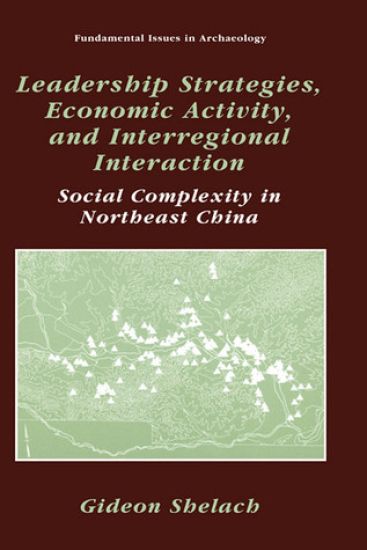
Leadership Strategies, Economic Activity, and Interregional Interaction

Leadership Strategies, Economic Activity, and Interregional Interaction

Gideon Shelach; Jeremy A. Sabloff

Springer-Verlag New York Inc.
2010
nidottu
An attempt to render Chinese archaeology more accessible to Western readers through a detailed case study of approximately 16,000 years of cultural development in northeastern China. The author addresses prehistoric sociopolitical processes in the Dongbei region through an analysis of both his and other researchers' field data and demonstrates the potential contribution of conducting archaeological research into anthropology-related issues in China.
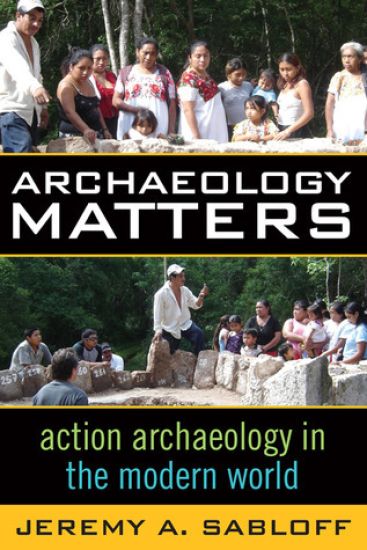
Archaeology Matters

Archaeology Matters

Jeremy A Sabloff

Left Coast Press Inc
2008
nidottu
Archaeology is perceived to study the people of long ago and far away. How could archaeology matter in the modern world? Well-known archaeologist Jeremy Sabloff points to ways in which archaeology might be important to the understanding and amelioration of contemporary problems. Though archaeologists have commonly been associated with efforts to uncover cultural identity, to restore the past of underrepresented peoples, and to preserve historical sites, their knowledge and skills can be used in many other ways. Archaeologists help Peruvian farmers increase crop yields, aid city planners in reducing landfills, and guide local communities in tourism development and water management. This brief volume, aimed at students and other prospective archaeologists, challenges the field to go beyond merely understanding the past and actively engage in making a difference in the today’s world.
Archaeology Matters

Archaeology Matters

Jeremy A Sabloff

Left Coast Press Inc
2008
sidottu
Archaeology is perceived to study the people of long ago and far away. How could archaeology matter in the modern world? Well-known archaeologist Jeremy Sabloff points to ways in which archaeology might be important to the understanding and amelioration of contemporary problems. Though archaeologists have commonly been associated with efforts to uncover cultural identity, to restore the past of underrepresented peoples, and to preserve historical sites, their knowledge and skills can be used in many other ways. Archaeologists help Peruvian farmers increase crop yields, aid city planners in reducing landfills, and guide local communities in tourism development and water management. This brief volume, aimed at students and other prospective archaeologists, challenges the field to go beyond merely understanding the past and actively engage in making a difference in the today’s world.
Leadership Strategies, Economic Activity, and Interregional Interaction

Leadership Strategies, Economic Activity, and Interregional Interaction

Gideon Shelach; Jeremy A. Sabloff

Kluwer Academic/Plenum Publishers
1999
sidottu
An attempt to render Chinese archaeology more accessible to Western readers through a detailed case study of approximately 16,000 years of cultural development in northeastern China. The author addresses prehistoric sociopolitical processes in the Dongbei region through an analysis of both his and other researchers' field data and demonstrates the potential contribution of conducting archaeological research into anthropology-related issues in China.
Late Lowland Maya Civilization

Late Lowland Maya Civilization

Jeremy A. Sabloff; E. Wyllys Andrew

SAR Press
1986
nidottu
In light of new and expanding research, the contributors to this volume premise that the relationship of Classic to Postclassic in the Northern and Southern Maya Lowlands is much more complex than was traditionally thought. The essays offer a useful introduction to current thought regarding the development of Lowland Maya civilization after the collapse of the Classic Period in the South. The contributors hold diverse opinions, but work toward a restructuring of thinking on the Postclassic, and on directions for future research, with suggestions of specific sites, regions, periods and questions for study. The ideas presented here emphasize the long-overdue redress of domination of Maya studies by a Classic Period point of view.
Excavations at Seibal, Department of Peten, Guatemala

Excavations at Seibal, Department of Peten, Guatemala

A. Ledyard Smith; Jeremy A. Sabloff; Ronald L. Bishop; Garman Harbottle; Robert L. Rands; Edward V. Sayre

Peabody Museum of Archaeology Ethnology,U.S.
1983
nidottu
Seibal is a major ruin of the southern Maya lowlands, its vast ceremonial center covering several high hills on the banks of the Pasion River in the Guatemalan Department of Peten. In five volumes published over a 15-year period, the archaeological team headed by Gordon R. Willey presents a comprehensive review of their fieldwork from 1964 to 1968 and the results of many years of subsequent data analysis. The volumes also report on explorations in the peripheral settlements outside of the Seibal center and provide a regional view of the evolution of lowland Maya culture from the Middle and Late Preclassic through the Late Classic periods.
Excavations at Seibal, Department of Peten, Guatemala

Excavations at Seibal, Department of Peten, Guatemala

Gordon R. Willey; Gair Tourtellot; Jeremy A. Sabloff; Robert Sharick; Norman Hammond; Richard M. Rose

Peabody Museum of Archaeology Ethnology,U.S.
1978
nidottu
Seibal is a major ruin of the southern Maya lowlands, its vast ceremonial center covering several high hills on the banks of the Pasion River in the Guatemalan Department of Peten. In five volumes published over a 15-year period, the archaeological team headed by Gordon R. Willey presents a comprehensive review of their fieldwork from 1964 to 1968 and the results of many years of subsequent data analysis. The volumes also report on explorations in the peripheral settlements outside of the Seibal center and provide a regional view of the evolution of lowland Maya culture from the Middle and Late Preclassic through the Late Classic periods.