Kirjojen hintavertailu. Mukana 12 595 353 kirjaa ja 12 kauppaa.

Kirjailija

Jeremy Agnew

Kirjat ja teokset yhdessä paikassa: 17 kirjaa, julkaisuja vuosilta 1996-2027, suosituimpien joukossa Sensational News. Vertaile teosten hintoja ja tarkista saatavuus suomalaisista kirjakaupoista.

17 kirjaa

Kirjojen julkaisuhaarukka 1996-2027.

Sensational News

Sensational News

Jeremy Agnew

MCFARLAND CO INC
2024
pokkari
Sensationalistic stories have attracted readers for as long as reading has been a popular form of entertainment. Readers have been frightened, revolted, yet fascinated by stories of death, thievery, kidnapping, murder, rape, scandal, love triangles, and colorful miscreants. Starting in the 1830s this morbid interest in lurid stories fueled the unprecedented growth of sensationalist newspapers that titillated and shocked their many readers. This study of sensationalism describes how newspapers added lurid details to their coverage of news events in an effort to attract as many readers as they could. Employing hyperbole and exaggerated details, they meant to grab the attention of the reader and keep him or her reading. For the next hundred years this form of journalism continued, later spilling over into radio and television news. Along the way, the "yellow journalism" wars of the 1880s and 1890s produced bold headlines, eye-catching illustrations, exaggeration of news events, and even false quotes and misleading information. Sensational reporting continued with muckraking reporting in the early 1900s as journalistic crusaders worked to expose municipal corruption, corporate greed, and misconduct in American business.

Death and Danger on the Western Frontier

Death and Danger on the Western Frontier

Jeremy Agnew

MCFARLAND CO INC
2025
nidottu
In modern times, men and women in America expect to lead long and fruitful lives. In the second half of the nineteenth century in the Old West, however, the outlook for a long lifetime was grim. Daily existence was hard and unrelenting, and filled with life-threatening dangers. Settlers on the Western frontier faced a variety of hazards, from accidents to shootouts, that led many to meet their end prematurely. Contemporary medical care was unable to cure many dreadful diseases, and many turned deadly. This history chronicles some of the numerous ways by which the inhabitants of the Old West met their maker sooner than they anticipated. Illnesses, deadly fires, natural disasters, and fatal accidents involving heavy machinery were just a few of the ways that lives could be cut short during this period. The rose-colored glasses of nostalgia (and decades of exciting media about the period) can depict the American frontier as a safer place than it truly was. This book, thoroughly illustrated and carefully researched, presents a gritty truth about what life was really like in the Old West--hazardous, unforgiving, and deadly.
Prohibition and Bootlegging in the American West
Prohibition was imposed by eager temperance movements organizers who sought to shape public behavior through alcoholic beverage control in the 19th and early 20th centuries. The success of reformers' efforts resulted in National Prohibition in America from 1920 to 1933, but it also resulted in a thriving illegal business in the manufacture and distribution of illegal liquor. The history of Prohibition and the resulting illegal drinking is frequently told through the lens of crime and violence in Chicago and other major East Coast cities. Often neglected are the effects of Prohibition on the Western part of the United States and how Westerners rose to the challenge of avoiding the consequences of illegal drinking. Illegal liquor was imported from abroad, made in stills using strange ingredients that were sometimes poisonous to the unlucky drinker. This history includes stories ranging from serious to quirky, and provides an entertaining account of how misguided efforts resulted in numerous unintended consequences.
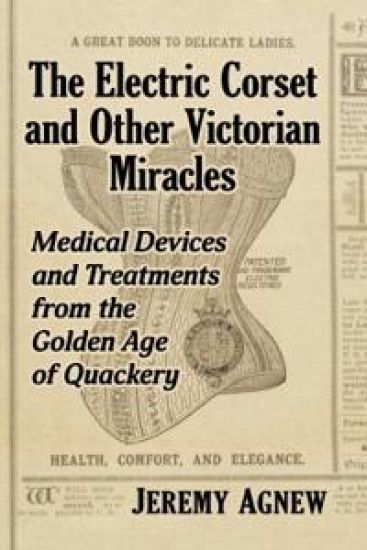
The Electric Corset and Other Victorian Miracles
Through the Victorian and Edwardian eras, various health movements emerged in the transition to the modern age of scientific medicine. Strange medical devices and quack cures were pushed, often using crude remedies based on simplistic beliefs and the placebo effect. Currently, some of these treatments appear absurd, even cruel. Because some were properly used as appropriate therapies, it is difficult to label them altogether as bogus. This book takes a thorough look at unconventional medical gadgets, as well as the strange devices and therapies used by both fringe and legitimate healers, and places them in the perspective of modern medicine. The author argues that quackery should not be defined by the ineffectiveness of a therapy, but rather be based on the fraudulent intent of the people who pushed dishonest and deceptive remedies.
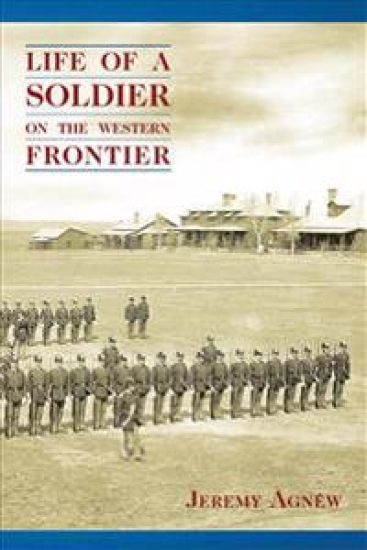
Life of a Soldier on the Western Frontier

Life of a Soldier on the Western Frontier

Jeremy Agnew

Mountain Press Publishing Company
2021
nidottu
Their heads filled with images of glory and battle, most young men joined the frontier army only to endure a life of tedious drills, bad meals, uncomfortable quarters, and ill-fitting uniforms. Working hard seven days a week in all kinds of weather, soldiers frequently found themselves lonely and bored, with little opportunity for advancement but many ways to be punished-all for $13 a month. Focusing on the Indian Wars period of the 1840s through the 1890s, this fascinating study captures the daily challenges faced by the typical enlisted man and explores the role soldiers played in the conquering of the American frontier. Dozens of photos and several maps add to the reader's understanding and enjoyment. More than a convenient reference book, Life of a Soldier on the Western Frontier is also a gripping and affecting story.
The Landscapes of Western Movies

The Landscapes of Western Movies

Jeremy Agnew

McFarland Co Inc
2020
pokkari
Western films have often been tributes to place and setting, with the magnificent backdrops mirroring the wildness of the narratives. As the splendid outdoor scenery of Westerns could not be found on a studio back lot or on a Hollywood sound stage, the movies have been filmed in the wide open spaces of the American West and beyond. This book chronicles the history of filming Westerns on location, from shooting on the East Coast in the early 1900s; through the use of locations in Utah, Arizona, and California in the 1940s and 1950s; and filming Westerns in Mexico, Spain, and other parts of the world in the 1960s. Also studied is the relationship between the filming location timeline and the evolving motion picture industry of the twentieth century, and how these factors shaped audience perceptions of the "Real West."
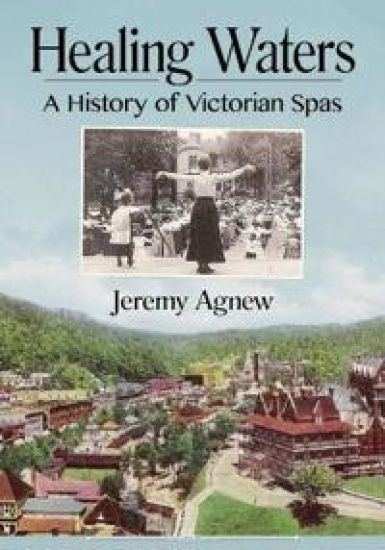
Healing Waters

Healing Waters

Jeremy Agnew

McFarland Co Inc
2019
pokkari
Modern spas are wellness resorts that offer beauty treatments, massages and complementary therapies. Victorian spas were sanitariums, providing "water cure" treatments supplemented by massage, vibration, electricity and radioactivity. Rooted in the palliative health reforms of the early 19th century, spas of the Victorian Age grew out of the hydrotherapy institutions of the 1840s--an alternative to the horrors of bleeding and purging. The regimen focused on diet, rest, cessation of alcohol and foods that upset the stomach, stress reduction and plenty of water. The treatments, though sometimes of a dubious nature, formed the transition from the primitive methods of "heroic medicine" to the era of scientifically based practices.
The Age of Dimes and Pulps

The Age of Dimes and Pulps

Jeremy Agnew

McFarland Co Inc
2018
nidottu
Sensationalistic literature is reading material that is intended to shock, startle, excite, or arouse intense interest in a reader through the use of subject matter, style, language, or artistic expression. Readers throughout the ages have been fascinated by lurid fiction about crime, assault, killings, thievery, kidnapping, murder, and the associated villains of the worst type. This type of reading material has provided escapism that has thrilled and shocked readers from the appearance of dime novels around the time of the American Civil War to the decline of the pulp magazines after World War II and the transition into what have become today’s paperback novels. This popular history of dime novels and pulp magazines during the time period from approximately 1850 to 1960 describes how sensational pulp literature filled a need among readers and flowered during the evolving social conditions of the Industrial Revolution. It provides a comprehensive story of why pulp books and magazines appeared, what this type of literature was, how it became popular, how it was the basis for the later pulp magazines of the 1930s and 1940s, and then continued on into today’s thrillers.
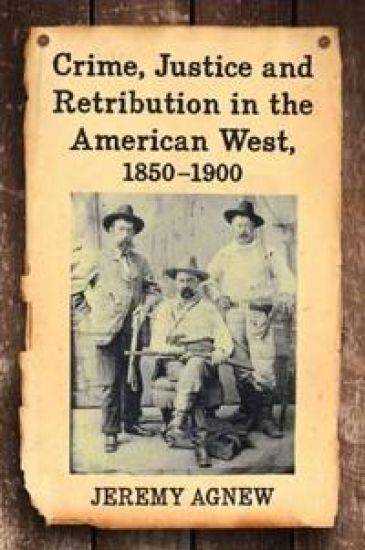
Crime, Justice and Retribution in the American West, 1850-1900
Western movies are full of images of swaggering outlaws brought to justice by valiant lawmen shooting them down in daring gunfights before riding off into the sunset. In reality it would not have happened that way. Real lawmen did not simply walk away from a gunfight--they had to face the legal system and justify shooting a civilian in the line of duty. Providing a more realistic view of criminal justice in the Old West, this history focuses on how criminals came into conflict with the law and how the law responded. The process is described in detail, from the common crimes of the day--such as train robbery and cattle theft--to the methods of apprehending criminals to their adjudication and punishment by incarceration, flogging or hanging.
Spanish Influence on the Old Southwest

Spanish Influence on the Old Southwest

Jeremy Agnew

McFarland Co Inc
2015
pokkari
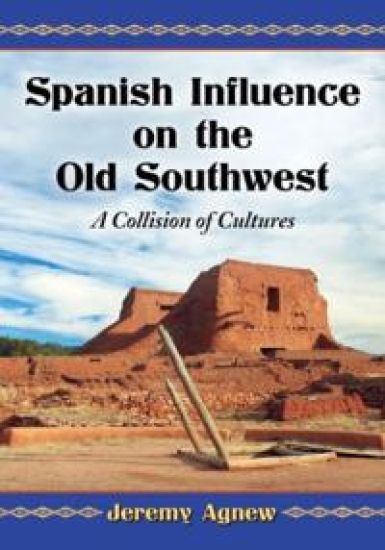
The traditional narrative of the American West tells of a frontier settled by pioneers emigrating from the east to the Pacific coast. Yet Spanish conquistadors arrived in Central America 150 years before the Pilgrims landed at Plymouth Rock. With them came missionaries who tried to convert the Pueblo and Plains Indians to Christianity by force, a suppression of native religious beliefs that led to cultural clashes and outright war. This is the story--fully documented--of how Spanish explorers, soldiers and men of the church pushed north from Mexico in the 1500s, seeking riches and establishing settlements from Texas to California 250 years before the influx of American settlers in the mid-1800s.
The Creation of the Cowboy Hero

The Creation of the Cowboy Hero

Jeremy Agnew

McFarland Co Inc
2014
nidottu
This book describes the evolution of the Western cowboy hero as a mythic person created and propagated by dime novels, pulp fiction, television and Hollywood movies. The expectations and demands of readers, viewers, and movie makers have all influenced the public perception of the Western hero. As a result, business interests have commercialized the Western past as publishers and studios have tried to make their image of the West be the most compelling to ensure the largest audience. Because many of our contemporary perceptions of the Western hero have come to us from Hollywood, much of the book discusses his changing image in the movies. The first chapter presents an overview of the Western hero. The rest of the chapters trace the image of the hero and his place in the fictional West from early novels and movies to the present, and discuss how his image has evolved due to changing audience expectations and economic pressures on various media to create a profitable product.
Alcohol and Opium in the Old West

Alcohol and Opium in the Old West

Jeremy Agnew

McFarland Co Inc
2013
pokkari
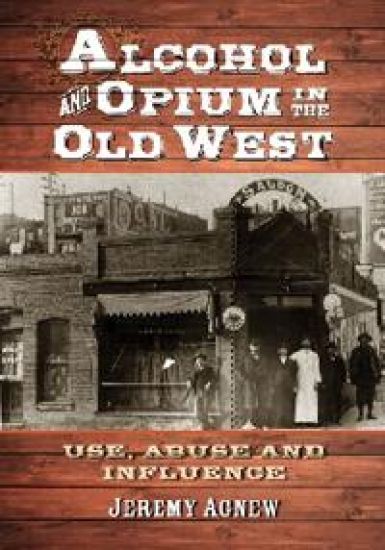
This book explores the role and influence of drink and drugs (primarily opium) in the Old West, which for this book is considered to be America west of the Mississippi from the California gold rush of the 1840s to the closing of the Western Frontier in roughly 1900. This period was the first time in American history that heavy drinking and drug abuse became a major social concern. Drinking was considered to be an accepted pursuit for men at the time. Smoking opium was considered to be deviant and associated with groups on the fringes of mainstream society, but opium use and addiction by women was commonplace. This book presents the background of both substances and how their use spread across the West, at first for medicinal purposes--but how overuse and abuse led to the Temperance Movement and eventually to National Prohibition. This book reports the historical reality of alcohol and opium use in the Old West without bias.
The Old West in Fact and Film

The Old West in Fact and Film

Jeremy Agnew

McFarland Co Inc
2012
pokkari
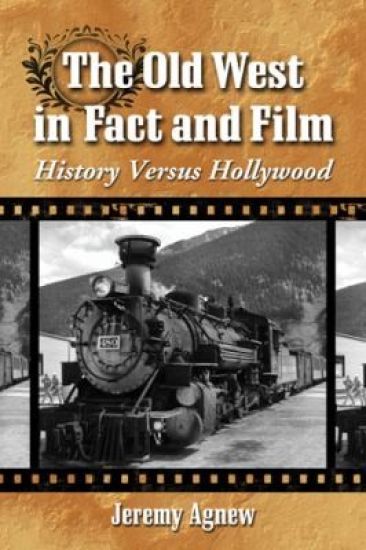
For many years, movie audiences have carried on a love affair with the American West, believing Westerns are escapist entertainment of the best kind, harkening back to the days of the frontier. This work compares the reality of the Old West to its portrayal in movies, taking an historical approach to its consideration of the cowboys, Indians, gunmen, lawmen and others who populated the Old West in real life and on the silver screen. Starting with the Westerns of the early 1900s, it follows the evolution in look, style, and content as the films matured from short vignettes of good-versus-bad into modern plots.
Entertainment in the Old West

Entertainment in the Old West

Jeremy Agnew

McFarland Co Inc
2011
pokkari
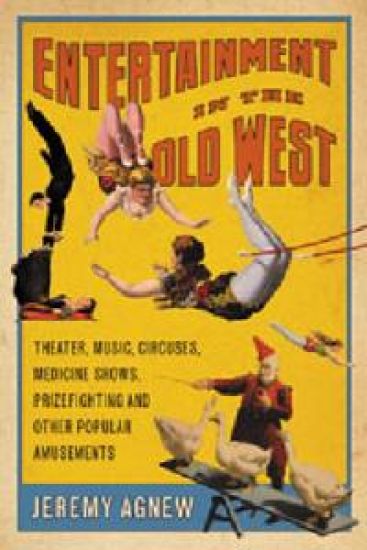
Miners, loggers, railroad men, and others flooded into the American West after the discovery of gold in 1848, and entertainers seeking to fill the demand for distraction from the workers' daily toil soon followed. Actors, actresses and traveling troupes crisscrossed the American frontier, performing in tents, saloons, fancy theaters, and the open air. This exploration of the heyday of popular theater in the Old West chronicles its emergence and growth from 1850 to the early twentieth century. Here is the story of the men and women who provided myriad types of entertainment in the Old West, and brought excitement, laughter and tears to generations of pioneers.
Medicine in the Old West

Medicine in the Old West

Jeremy Agnew

McFarland Co Inc
2010
pokkari
The healing arts as practiced in the Old West often meant the difference between life and death for American pioneers. Whether the challenge was sickness, an Indian arrow, a gunshot wound, or a fall from a horse, a pioneer in the western territories required care for medical emergencies, but often had to make do until a doctor could be found. This historical overview addresses the perils to health that were present during the expansion of the American frontier, and the methods used by doctors to treat and overcome them. Numerous black and white photographs are provided, as well as a glossary of medical terms. Appendices list commonly used drugs and typical surgical instruments from the 1850-1900 era.
The Comintern

The Comintern

Jeremy Agnew; Kevin McDermott

Red Globe Press
1996
nidottu
This accessible text provides a comprehensive narrative and interpretative account of the entire history of the Communist International, 1919-1943. By incorporating the most recent Western and Soviet research the authors explain the legendary complexities of Comintern history and chart its degeneration from a revolutionary internationalist organisation into an obedient instrument of Soviet foreign policy. Key themes include: continuities and discontinuities between the Leninist and Stalinist phases, Bolshevisation versus national traditions, and the role of leading individuals in the Comintern apparatus. A selection of documents will elucidate these central themes.