

Kirjailija
Jeremy Narby
Kirjat ja teokset yhdessä paikassa: 11 kirjaa, julkaisuja vuosilta 1999-2026, suosituimpien joukossa Intelligence in Nature: An Inquiry Into Knowledge. Vertaile teosten hintoja ja tarkista saatavuus suomalaisista kirjakaupoista.
11 kirjaa
Kirjojen julkaisuhaarukka 1999-2026.

Raamatus "Intellekt looduses" tutvustab antropoloog Jeremy Narby arusaamist, et intellekt on miski, mis ei ole omane vaid inimestele. Rikkaliku teaduspõhise materjali abil tõestab ta lugejale, et kõikidel eluvormidel - bakteritel, taimedel ja loomadel - on kummastav võime teha otsuseid, ehitada üles mõttemustreid ja tegutseda ettenägevalt.Narby jätkab teekonda, mida ta alustas menuka raamatuga "Kosmiline siug" (eesti k 2001). Amazonase ja teiste paikkondade loodusrahvaste kultuuri ja tänapäeva teaduse uusimatesse saavutustesse süüvides otsib Narby vastust küsimustele, milles peitub looduse teadmisviiside saladus ja kas on midagi, mida inimkond võiks õppida looduse eneseregulatsioonist ja tarkusest, et leida ka endale mõistlikum ja kestlikum eluviis.Jeremy Narby (s 1959) kasvas üles Kanadas, õppis Canterbury Ülikoolis ajalugu ja kaitses Stanfordi Ülikoolis antropoloogiadoktori kraadi."Jeremy Narby ühendab hämmastaval moel iidsed shamanistlikud usundid ja tänapäeva teaduse."Alice Walker, kirjanik"Jeremy Narby uusi tõdesid avastav raamat viib teaduse suure sammu võrra edasi."Edgar Mitchell, Sc. D., Apollo astronaut

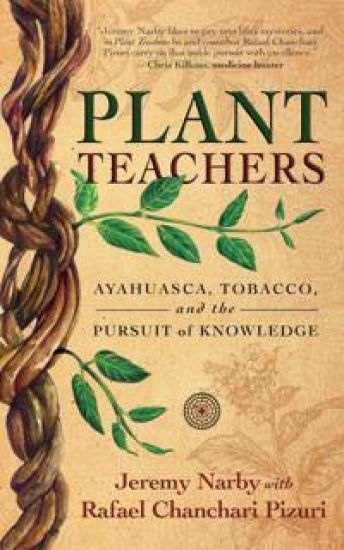
A trailblazing anthropologist and an indigenous Amazonian healer explore the convergence of science and shamanism "The dose makes the poison," says an old adage, reminding us that all substances have the potential to heal or to harm, depending on their use. This is especially true of tobacco. Although Western medicine treats it as a harmful addictive drug, tobacco is considered medicinal by indigenous people of the Amazon rainforest. In its unadulterated form, it holds a central place in their repertoire of traditional medicines. Along with the hallucinogen ayahuasca, tobacco forms a part of treatments designed to heal the body, stimulate the mind, and inspire the soul with visions. Anthropologist Jeremy Narby first learned of the shamanic uses of ayahuasca and tobacco while conducting fieldwork in the Amazon region decades ago. After witnessing the transformative power of these mind-altering plants, Narby embarked on a quest to understand their effects on human consciousness. His search led him to contact Rafael Chanchari Pizuri, a traditional healer from the Peruvian Amazon. In Plant Teachers, Narby and Pizuri hold a cross-cultural dialogue that explores the similarities between ayahuasca and tobacco, the role of these plants in indigenous cultures, and the hidden truths they reveal about nature. Juxtaposing two distinct worldviews, Plant Teachers invites readers on a wide-ranging journey through anthropology, botany, and biochemistry, while raising tantalizing questions about the relationship between science and other ways of knowing.


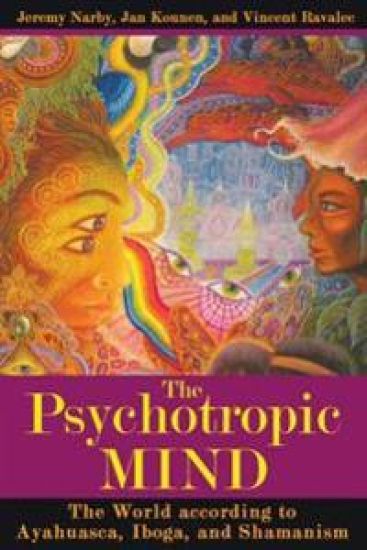
In the Amazon, shamans do not talk in terms of hallucinogens but of tools for communicating with other life-forms. Ayahuasca, for example, is first and foremost a means of breaking down the barrier that separates humans from other species, allowing us to communicate with them. The introduction of plant-centered shamanism into the Western world in the 1970s was literally the meeting of two entirely different paradigms. In The Psychotropic Mind, three of the individuals who have been at the forefront of embracing other ways of knowing look at the ramifications of the introduction into our Western culture of these shamanic practices and the psychotropic substances that support them. With rare sincerity and depth, noted anthropologist Jeremy Narby, filmmaker Jan Kounen, and writer/filmmaker Vincent Ravalec explore the questions of sacred plants, initiations, hallucinogens, and altered states of consciousness, looking at both the benefits and dangers that await those who seek to travel this path. Focusing specifically on ayahuasca and iboga, psychotropic substances with which the authors are intimately familiar, they examine how we can best learn the other ways of perceiving the world found in indigenous cultures, and how this knowledge offers immense benefits and likely solutions to some of the modern world’s most pressing problems.

The anthropologist author of The Cosmic Serpent presents an around-the-world study of traditional healers and modern researchers to offer insight into the nature of biological intelligence, presenting evidence of intelligence in non-human life forms while discussing what the human world can learn from nature's examples. Reprint.
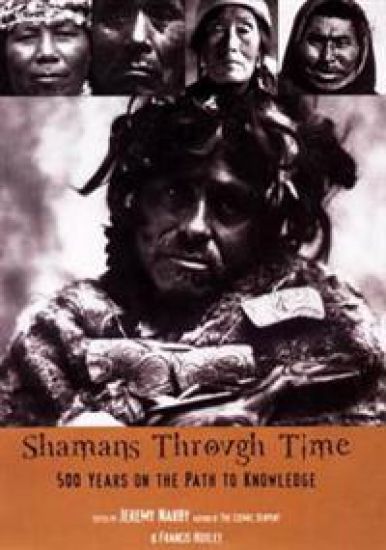
Shamans Through Time: 500 Years on the Path to Knowledge
Jeremy Narby
Penguin Publishing Group
2004
nidottu
A survey of five centuries of writings on the world's great shamans-the tricksters, sorcerers, conjurers, and healers who have fascinated observers for centuries. This collection of essays traces Western civilization's struggle to interpret and understand the ancient knowledge of cultures that revere magic men and women-individuals with the power to summon spirits. As written by priests, explorers, adventurers, natural historians, and anthropologists, the pieces express the wonder of strangers in new worlds. Who were these extraordinary magic-makers who imitated the sounds of animals in the night, or drank tobacco juice through funnels, or wore collars filled with stinging ants? Shamans Through Time is a rare chronicle of changing attitudes toward that which is strange and unfamiliar. With essays by such acclaimed thinkers as Claude L vi-Strauss, Black Elk, Carlos Castaneda, and Frank Boas, it provides an awesome glimpse into the incredible shamanic practices of cultures around the world.
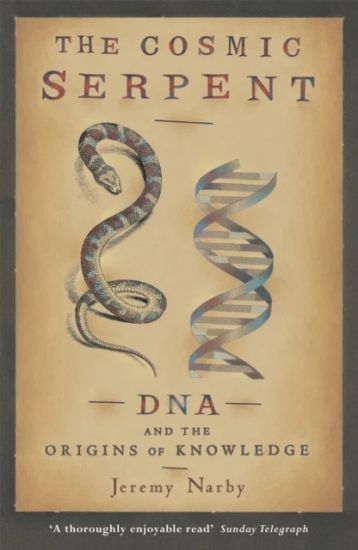
Subtitled DNA and the Origins of Knowledge. An exhilarating adventure in science and imagination. Whilst living amongst Peruvian Indians, anthropologist Jeremy Narby learned of their phenomenal knowledge of plants and biochemical interactions, gained under the influence of the hallucinogen ayahuasca. This is an investigation of this phenomenon.
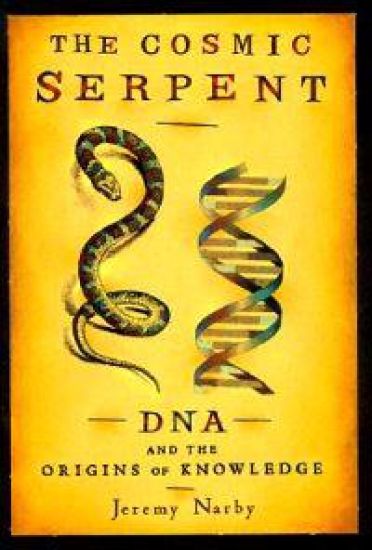
This adventure in science and imagination, which the Medical Tribune said might herald "a Copernican revolution for the life sciences," leads the reader through unexplored jungles and uncharted aspects of mind to the heart of knowledge. In a first-person narrative of scientific discovery that opens new perspectives on biology, anthropology, and the limits of rationalism, The Cosmic Serpent reveals how startlingly different the world around us appears when we open our minds to it.