

Kirjailija
Jerry Garcia
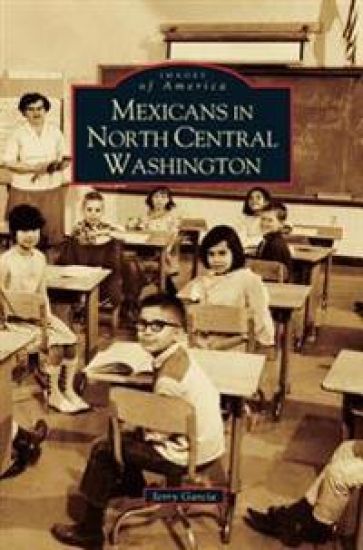
Kirjat ja teokset yhdessä paikassa: 10 kirjaa, julkaisuja vuosilta 2003-2022, suosituimpien joukossa Mexicans in North Central Washington. Vertaile teosten hintoja ja tarkista saatavuus suomalaisista kirjakaupoista.
Mukana myös kirjoitusasut: Jerry García
10 kirjaa
Kirjojen julkaisuhaarukka 2003-2022.

Jerry Garcia shares the 45 most common home buyer question and answers in the Denver metro area.
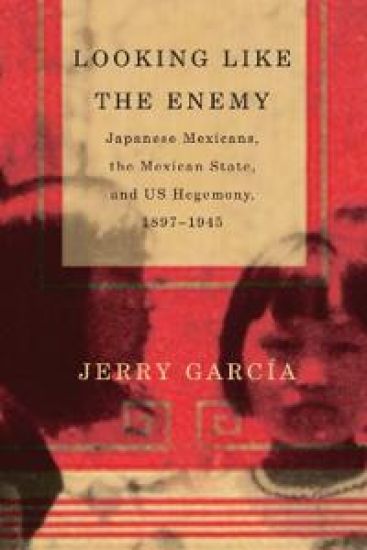
At the beginning of the twentieth century, thousands of Japanese citizens sought new opportunities abroad. By 1910, nearly ten thousand had settled in Mexico. Over time, they found work, put down roots, and raised families. But until now, very little has been written about their lives. Looking Like the Enemy is the first English-language history of the Japanese experience in Mexico. Japanese citizens were initially lured to Mexico with promises of cheap and productive land in Chiapas. Many of the promises were false, and the immigrants were forced to fan out across the country, especially to the lands along the US border. As Jerry García reveals, they were victims of discrimination based on “difference,” but they also displayed “markers of whiteness” that linked them positively to Europeans and Americans, who were perceived as powerful and socially advanced. And, García reports, many Mexicans looked favorably on the Japanese as hardworking and family-centered. The book delves deeply into the experiences of the Japanese on both sides of the border during World War II, illuminating the similarities and differences in their treatment. Although some Japanese Mexicans were eventually interned (at the urging of the US government), in general the fear and vitriol that Japanese Americans encountered never reached the same levels in Mexico. Looking Like the Enemy is an ambitious study of a tumultuous half-century in Mexico. It is a significant contribution to our understanding of the immigrant experience in the Western Hemisphere and to the burgeoning field of borderlands studies.

This full-length collection of poems is rooted in mid-twentieth century America and expands from that era of disruption and exploration. Over half a century later upheaval and terror are still watchwords in society. This poetry strives to balance stories of evolution, redemption and hope.This book incorporates a full multimedia experience with QR Codes that link selected poems to poetry-films which can be played back on a smartphone or tablet.
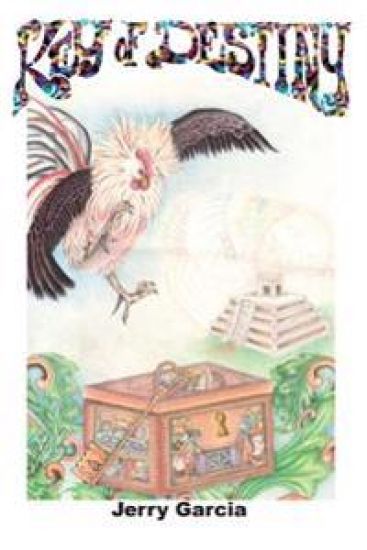
Zacharias, a ten year old from Texas, is informed by his parents that they are moving to Denver, Colorado, to a great mansion that his (Bis-Abuelo) Great-Grandfather had built at the turn of the century. It has stood empty for two generations. Upon arrival, Zacharias soon befriends Julie and Blackie, two neighbor¬hood kids, allying himself with his new friends they go on an exploration of this great mansion. What they encounter: are the ghosts of Aztec warriors, the battle stench of the Mexican Revolution, and the device that cradles their destiny, the C.O.T. Celestial Osmosis Transmigrator, which is the instrument that makes time travel possible What ensues is a lesson in history. A lesson in bravery, and the discovery of the true meaning of friendship. How will these three, during the course of their journey, deal with the moral obstacles they encounter? Will they choose the path of least resistance, or rely on each other to summon the courage to do what is right? Never in their wildest imaginations would they have thought that they would have to deal with the age old questions: If you possessed the power to alter history, Would you? Could you? Should you?

Join Jerry Garcia in this board book edition of the all-time favorite song, illustrated by bestselling artist Bruce Whatley. It's rollicking reimaging of the classic song-with singing, dancing, and picnicking teddy bears and a slight '60s twist. Come along-it's time for the Teddy Bears' Picnic!

At the beginning of the twentieth century, thousands of Japanese citizens sought new opportunities abroad. By 1910, nearly ten thousand had settled in Mexico. Over time, they found work, put down roots, and raised families. But until now, very little has been written about their lives. Looking Like the Enemy is the first English-language history of the Japanese experience in Mexico.Japanese citizens were initially lured to Mexico with promises of cheap and productive land in Chiapas. Many of the promises were false, and the immigrants were forced to fan out across the country, especially to the lands along the US border. As Jerry Garcia reveals, they were victims of discrimination based on ""difference,"" but they also displayed ""markers of whiteness"" that linked them positively to Europeans and Americans, who were perceived as powerful and socially advanced. And, Garcia reports, many Mexicans looked favourably on the Japanese as hardworking and family-centred.The book delves deeply into the experiences of the Japanese on both sides of the border during World War II, illuminating the similarities and differences in their treatment. Although some Japanese Mexicans were eventually interned (at the urging of the US government), in general the fear and vitriol that Japanese Americans encountered never reached the same levels in Mexico. Looking Like the Enemy is an ambitious study of a tumultuous half-century in Mexico. It is a significant contribution to our understanding of the immigrant experience in the Western Hemisphere and to the burgeoning field of borderlands studies.

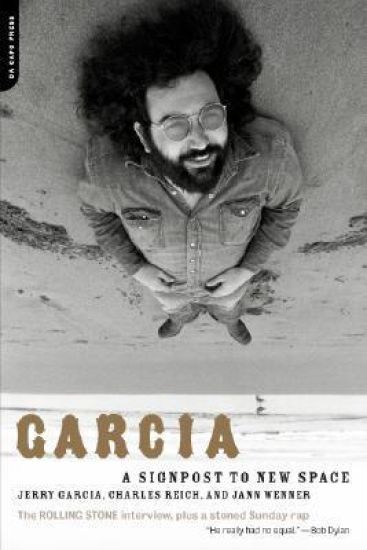
Jerry Garcia (1942-1995) is an American icon. The guitarist and de facto leader of the Grateful Dead was a gregarious talker, keenly engaged with the new world exploding around him. In 1972, Garcia was visited by Charles Reich, a Yale law professor, and Jann Wenner, the founder of Rolling Stone . Garcia was just thirty-one years old but already viewed- to his lasting dismay- as a social avatar for the new sensibility sweeping the land, an anarchist streak with a populist undercurrent that had roots in Ken Kesey's pranksters, the writers of the Beat Generation, and the libertine tradition of the American transcendentalists. In this interview, Garcia reveals how he is a combination of these and other influences, a high-school dropout and autodidact blessed with a gift for eloquent turns of phrase and a refreshing directness. He speaks of the saga of the Grateful Dead and his hoodlum youth growing up in San Francisco's Mission district. He delves into fascinating discourses on the music that shaped his own playing and writing, and freely discusses his use of drugs and explains why he felt it was important to stay high. Like the Grateful Dead's best music, Garcia: A Signpost to New Space is familiar, friendly, and inviting.