Kirjojen hintavertailu. Mukana 12 595 353 kirjaa ja 12 kauppaa.

Kirjailija

Jerry H. Ratcliffe

Kirjat ja teokset yhdessä paikassa: 7 kirjaa, julkaisuja vuosilta 2016-2025, suosituimpien joukossa Place Matters. Vertaile teosten hintoja ja tarkista saatavuus suomalaisista kirjakaupoista.

7 kirjaa

Kirjojen julkaisuhaarukka 2016-2025.

Place Matters

Place Matters

David Weisburd; John E. Eck; Anthony A. Braga; Cody W. Telep; Breanne Cave; Kate Bowers; Gerben Bruinsma; Charlotte Gill; Elizabeth R. Groff; Julie Hibdon; Joshua C. Hinkle; Shane D. Johnson; Brian Lawton; Cynthia Lum; Jerry H. Ratcliffe; George Rengert; Travis Taniguchi; Sue-Ming Yang

Cambridge University Press
2016
sidottu
Over the last two decades, there has been increased interest in the distribution of crime and other antisocial behavior at lower levels of geography. The focus on micro geography and its contribution to the understanding and prevention of crime has been called the 'criminology of place'. It pushes scholars to examine small geographic areas within cities, often as small as addresses or street segments, for their contribution to crime. Here, the authors describe what is known about crime and place, providing the most up-to-date and comprehensive review available. Place Matters shows that the study of criminology of place should be a central focus of criminology in the twenty-first century. It creates a tremendous opportunity for advancing our understanding of crime, and for addressing it. The book brings together eighteen top scholars in criminology and place to provide comprehensive research expanding across different themes.

Intelligence-Led Policing

Intelligence-Led Policing

Jerry H. Ratcliffe

TAYLOR FRANCIS LTD
2025
sidottu
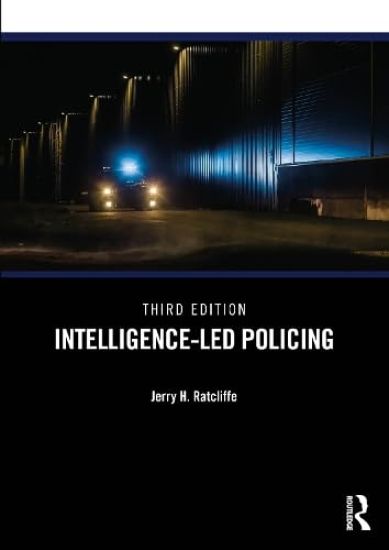
What is intelligence-led policing? Who came up with the idea? Where did it come from? How does it relate to other policing paradigms? What distinguishes an intelligence-led approach to crime reduction? How is it designed to have an impact on crime? Does it prevent crime? These are just a few of the questions that this book seeks to answer.The revised and updated third edition of this foundational policing text includes new case studies and viewpoints, a revised crime funnel for serious crime, and a new chapter expanding on intelligence-led policing ethics and risk. A revised structure within the central chapters brings forward the definition of intelligence-led policing, increases discussion around confidential sources and informants, and highlights new thinking in police decision-making and risk management. Changes reflect the continuing evolution of ILP into a framework capable of encompassing more operational police activity than simply organized crime and recidivist offenders.Topics covered in this book include:• The origins and aims of intelligence-led policing• A comparison of intelligence-led policing with other conceptual models of policing• An exploration of analysis concepts and the role of analysis in target selection• Evaluations of intelligence-led policing as a crime-control strategy Written by an expert in the field, this third edition continues to offer a comprehensive and engaging introduction to intelligence-led policing for students, practitioners and scholars of policing, criminal intelligence and crime analysis. This book will be of particular interest to professionals within the law enforcement environment; senior officers, middle management, analysts and operational staff.
Intelligence-Led Policing

Intelligence-Led Policing

Jerry H. Ratcliffe

TAYLOR FRANCIS LTD
2025
nidottu
What is intelligence-led policing? Who came up with the idea? Where did it come from? How does it relate to other policing paradigms? What distinguishes an intelligence-led approach to crime reduction? How is it designed to have an impact on crime? Does it prevent crime? These are just a few of the questions that this book seeks to answer.The revised and updated third edition of this foundational policing text includes new case studies and viewpoints, a revised crime funnel for serious crime, and a new chapter expanding on intelligence-led policing ethics and risk. A revised structure within the central chapters brings forward the definition of intelligence-led policing, increases discussion around confidential sources and informants, and highlights new thinking in police decision-making and risk management. Changes reflect the continuing evolution of ILP into a framework capable of encompassing more operational police activity than simply organized crime and recidivist offenders.Topics covered in this book include:• The origins and aims of intelligence-led policing• A comparison of intelligence-led policing with other conceptual models of policing• An exploration of analysis concepts and the role of analysis in target selection• Evaluations of intelligence-led policing as a crime-control strategy Written by an expert in the field, this third edition continues to offer a comprehensive and engaging introduction to intelligence-led policing for students, practitioners and scholars of policing, criminal intelligence and crime analysis. This book will be of particular interest to professionals within the law enforcement environment; senior officers, middle management, analysts and operational staff.
Evidence-Based Policing

Evidence-Based Policing

Jerry H. Ratcliffe

TAYLOR FRANCIS LTD
2022
sidottu
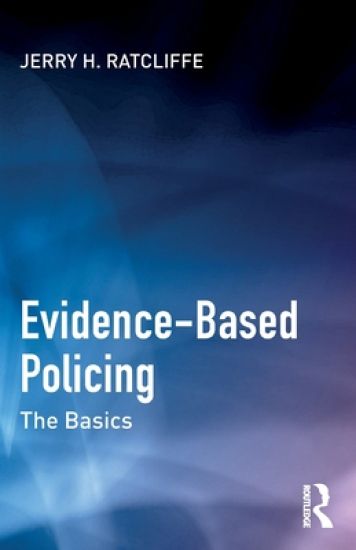
What is evidence-based policing and how is it done? This book provides an answer to both questions, offering an introduction for undergraduate students and a hands-on guide for police officers wanting to know how to put principles into practice. It serves as a gentle introduction to the terminology, ideas, and scientific methods associated with evidence-based policy, and outlines some of the existing policing applications. A couple of introductory chapters summarize evidence-based policy and its goals and origins. The core of the book eases the reader through a range of practical chapters that answer questions many people have about evidence-based practice in policing. What does good science look like? How do I find reliable research? How do I evaluate research? What is a hypothesis? How do randomized experiments work? These chapters not only provide a practical guide to reading and using existing research, but also a roadmap for readers wanting to start their own research project. The final chapters outline different ways to publish research, discuss concerns around evidence-based policing, and ask what is in the future for this emerging field. Annotated with the author’s own experiences as a police officer and researcher, and filled with simple aids, flowcharts, and figures, this practical guide is the most accessible introduction to evidence-based policing available. It is essential reading for policing students and police professionals alike. Further resources are available on the book’s website at evidencebasedpolicing.net.
Evidence-Based Policing

Evidence-Based Policing

Jerry H. Ratcliffe

TAYLOR FRANCIS LTD
2022
nidottu
What is evidence-based policing and how is it done? This book provides an answer to both questions, offering an introduction for undergraduate students and a hands-on guide for police officers wanting to know how to put principles into practice. It serves as a gentle introduction to the terminology, ideas, and scientific methods associated with evidence-based policy, and outlines some of the existing policing applications. A couple of introductory chapters summarize evidence-based policy and its goals and origins. The core of the book eases the reader through a range of practical chapters that answer questions many people have about evidence-based practice in policing. What does good science look like? How do I find reliable research? How do I evaluate research? What is a hypothesis? How do randomized experiments work? These chapters not only provide a practical guide to reading and using existing research, but also a roadmap for readers wanting to start their own research project. The final chapters outline different ways to publish research, discuss concerns around evidence-based policing, and ask what is in the future for this emerging field. Annotated with the author’s own experiences as a police officer and researcher, and filled with simple aids, flowcharts, and figures, this practical guide is the most accessible introduction to evidence-based policing available. It is essential reading for policing students and police professionals alike. Further resources are available on the book’s website at evidencebasedpolicing.net.
Intelligence-Led Policing

Intelligence-Led Policing

Jerry H. Ratcliffe

Routledge
2016
sidottu
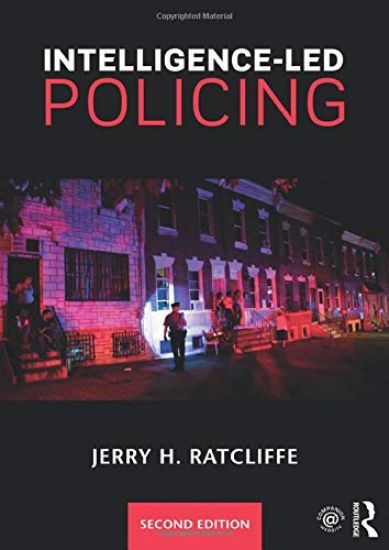
What is intelligence-led policing? Who came up with the idea? Where did it come from? How does it relate to other policing paradigms? What distinguishes an intelligence-led approach to crime reduction? How is it designed to have an impact on crime? Does it prevent crime? These are just a few of the questions that this book seeks to answer.This revised and updated second edition includes new case studies and viewpoints, a revised crime funnel based on new data, and a new chapter examining the expanding role of technology and big data in intelligence-led policing. Most importantly, the author builds upon an updated definition of intelligence-led policing as it has evolved into a framework capable of encompassing more operational police activity than simply organized crime and recidivist offenders.Topics covered in this book include:• The origins and aims of intelligence-led policing• A comparison of intelligence-led policing with other conceptual models of policing• An exploration of analysis concepts and the role of analysis in target-selection• Evaluations of intelligence-led policing as a crime-control strategyWritten by an expert in the field, this book offers a comprehensive and engaging introduction to intelligence-led policing for students, practitioners and scholars of policing, criminal intelligence and crime analysis. This book will be of particular interest to professionals within the law enforcement environment; senior officers, middle management, analysts and operational staff. A companion website offers a range of resources for students and instructors, including slides, chapter headings with supporting notes, key terms and names, critical-thinking questions, and quizzes.
Intelligence-Led Policing

Intelligence-Led Policing

Jerry H. Ratcliffe

Routledge
2016
nidottu
What is intelligence-led policing? Who came up with the idea? Where did it come from? How does it relate to other policing paradigms? What distinguishes an intelligence-led approach to crime reduction? How is it designed to have an impact on crime? Does it prevent crime? These are just a few of the questions that this book seeks to answer.This revised and updated second edition includes new case studies and viewpoints, a revised crime funnel based on new data, and a new chapter examining the expanding role of technology and big data in intelligence-led policing. Most importantly, the author builds upon an updated definition of intelligence-led policing as it has evolved into a framework capable of encompassing more operational police activity than simply organized crime and recidivist offenders.Topics covered in this book include:• The origins and aims of intelligence-led policing• A comparison of intelligence-led policing with other conceptual models of policing• An exploration of analysis concepts and the role of analysis in target-selection• Evaluations of intelligence-led policing as a crime-control strategyWritten by an expert in the field, this book offers a comprehensive and engaging introduction to intelligence-led policing for students, practitioners and scholars of policing, criminal intelligence and crime analysis. This book will be of particular interest to professionals within the law enforcement environment; senior officers, middle management, analysts and operational staff. A companion website offers a range of resources for students and instructors, including slides, chapter headings with supporting notes, key terms and names, critical-thinking questions, and quizzes.