Kirjojen hintavertailu. Mukana 12 390 323 kirjaa ja 12 kauppaa.

Kirjailija

Jerry Miller

Kirjat ja teokset yhdessä paikassa: 11 kirjaa, julkaisuja vuosilta 2001-2021, suosituimpien joukossa Whole Truths. Vertaile teosten hintoja ja tarkista saatavuus suomalaisista kirjakaupoista.

11 kirjaa

Kirjojen julkaisuhaarukka 2001-2021.

Grace Beyond Reason

Grace Beyond Reason

Jerry Miller

Higherlife Development Service
2021
nidottu
Discover the magnitude of God's grace and how it can impact your life Grace is one of the most phenomenal, yet least understood, gifts we receive from God. Grace does more than just allow you to be forgiven of your sin - it empowers you to overcome sin To many, grace is just a doctrine, a spiritual concept. But as you will discover in reading this book, grace is so much more. Grace is unreasonable; it is so miraculous that we cannot make sense of it intellectually. Instead, we must ask God daily to help us walk in a childlike faith so we can simply receive His grace with a grateful heart. This book will guide you in your discovery of grace to: - Live life beyond your natural limitations. - Learn the distinction between grace and mercy. - Discover seven keys for walking in greater measures of peace. - Gain the ability to replace condemnation, shame, anxiety, fear, worry, discouragement, and hopelessness with righteousness, peace, and joy. - Learn to see yourself and your calling as God Himself sees you Let grace enable you to fulfill Romans 8:29 in your life: "to be conformed to the image of His Son."

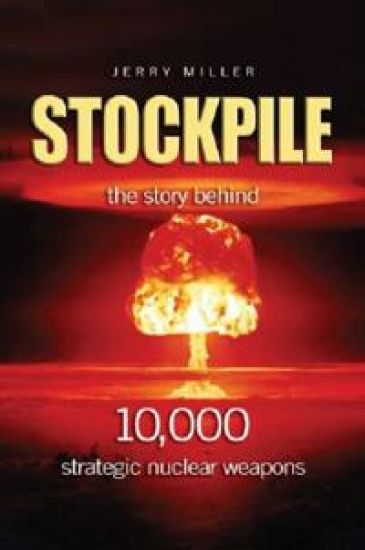
Stockpile

Stockpile

Jerry Miller

Naval Institute Press
2010
sidottu
In 1960 there were some 3,500 strategic nuclear weapons in the United States; by the mid-1970s there were more than 10,000. This book, written by a member of the U.S. nuclear weapons force, gives an account of that buildup and the efforts taken to keep the stockpile under control. Jerry Miller highlights the strategies, targeting and attack plans and arms control measures associated with the bomb. He addresses the role of the military in establishing requirements and the role of the scientists in meeting those requirements and identifies the strengths and weaknesses of the weapons and their significance for the future. A final chapter reviews threat scenarios and suggests actions to bring the nuclear force into line. About the Author Jerry Miller, Vice Adm., USN (Ret.), was a nuclear weapons delivery pilot and a nuclear plans monitor and helped prepare the National Strategic Target List and Single Integrated Operational Plan for waging nuclear war. Following retirement, he participated in arms control meetings with the Soviets. He lives in Oakton, VA.
Nuclear Weapons and Aircraft Carriers

Nuclear Weapons and Aircraft Carriers

Jerry Miller

Smithsonian Institution Scholarly Press
2001
sidottu
The U.S. Navy entered World War II with seven aircraft carriers and finished the war with nearly one hundred. However, with the advent of the atomic bomb in 1945 and its impact on strategic thinking, the future of naval aviation looked bleak. Rapid demobilization after the war eliminated many carriers, and most policy makers believed that future wars would be fought with nuclear weapons delivered by land-based aircraft, a method patented by the new U.S. Air Force. During the so-called "Revolt of the Admirals," respected naval leaders lobbied for the Navy's role in the new era. Arthur Radford and Arleigh Burke, who eventually became the chairman of the Joint Chiefs of Staff and the chief of naval operations respectively, as well as Chief of Naval Operations Louis E. Denfeld risked their careers to speak out in support of enabling aircraft carriers to transport, target, and deliver nuclear weapons. In Nuclear Weapons and Aircraft Carriers, Jerry Miller traces this struggle, which also involved serious conflicts with the Air Force and ultimately led to innovations in the design and engineering of carriers and aircraft. Miller demonstrates the success of the Navy's nuclear vision, which saved the aircraft carrier from extinction, and argues that the Navy's hard-won nuclear capability played a significant role in ending the Cold War. In the final chapter, he reflects on this history and its participants, and he assesses the future of both the aircraft carrier and nuclear weapons in the twenty-first century.