Kirjojen hintavertailu. Mukana 12 595 353 kirjaa ja 12 kauppaa.

Kirjailija

Jesse Kavadlo

Kirjat ja teokset yhdessä paikassa: 3 kirjaa, julkaisuja vuosilta 2003-2026, suosituimpien joukossa Rock of Pages. Vertaile teosten hintoja ja tarkista saatavuus suomalaisista kirjakaupoista.

3 kirjaa

Kirjojen julkaisuhaarukka 2003-2026.

Rock of Pages

Rock of Pages

Jesse Kavadlo

BLOOMSBURY PUBLISHING PLC
2026
sidottu
Rock of Pages provides contexts and close readings of 1980s heavy metal with forty years of hindsight, drawing upon analytical frameworks usually associated with literature and literary studies. Based on decades of work as a professor of literature and as a musician, Jesse Kavadlo analyzes the ways in which 1980s heavy metal aligns with and develops many of the themes prevalent in the canon of literature. In doing so, the book examines some of the contexts of 1980s heavy metal, including Cold War, the rise of MTV, and the formation of the Parents Music Resource Center (PMRC) and subsequent congressional hearings. Rock of Pages takes the PMRC’s own objections to heavy metal and uses them as titles and topics to analyze the intersections between heavy metal and literature: representations of violence, but the connected concerns about justice; images of substance abuse, and the interrelated issues of obsession, madness, suicidal ideation; sex and love, with, concomitantly, representations of women and relationships between men and women; and the references to the occult, with the depictions of Satan, the afterlife, and morality on earth itself. In doing so, the book suggests that 1980s heavy metal displayed more artistry and intelligence than people imagine, but that literature is rebellious and subversive as well.
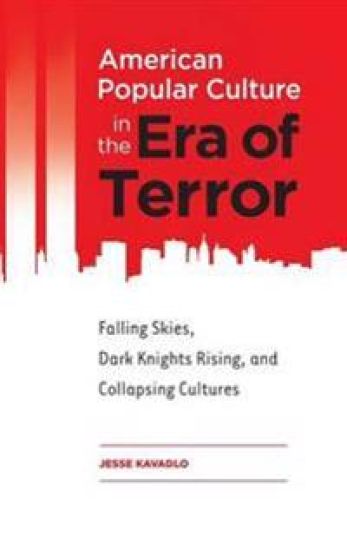
American Popular Culture in the Era of Terror

American Popular Culture in the Era of Terror

Jesse Kavadlo

Praeger Publishers Inc
2015
sidottu
Bringing together the most popular genres of the 21st century, this book argues that Americans have entered a new era of narrative dominated by the fear—and wish fulfillment—of the breakdown of authority and terror itself.Bringing together disparate and popular genres of the 21st century, American Popular Culture in the Era of Terror: Falling Skies, Dark Knights Rising, and Collapsing Cultures argues that popular culture has been preoccupied by fantasies and narratives dominated by the anxiety —and, strangely, the wish fulfillment—that comes from the breakdowns of morality, family, law and order, and storytelling itself. From aging superheroes to young adult dystopias, heroic killers to lustrous vampires, the figures of our fiction, film, and television again and again reveal and revel in the imagery of terror. Kavadlo's single-author, thesis-driven book makes the case that many of the novels and films about September 11, 2001, have been about much more than terrorism alone, while popular stories that may not seem related to September 11 are deeply connected to it. The book examines New York novels written in response to September 11 along with the anti-heroes of television and the resurgence of zombies and vampires in film and fiction to draw a correlation between Kavadlo's "Era of Terror" and the events of September 11, 2001. Geared toward college students, graduate students, and academics interested in popular culture, the book connects multiple topics to appeal to a wide audience.
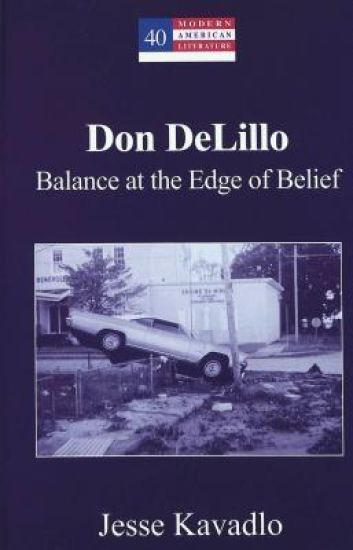
Don Delillo

Don Delillo

Jesse Kavadlo

Peter Lang Publishing Inc
2003
sidottu
Don DeLillo - winner of the National Book Award, the William Dean Howells Medal, and the Jerusalem Prize - is one of the most important novelists of the late-twentieth and early-twenty-first centuries. While his work can be understood and taught as prescient and postmodern examples of millennial culture, this book argues that DeLillo's recent novels - White Noise, Libra, Mao II, Underworld, and The Body Artist - are more concerned with spiritual crisis. Although DeLillo's worlds are rife with rejection of belief and littered with faithfulness, estrangement, and desperation, his novels provide a balancing moral corrective against the conditions they describe. Speaking the vernacular of contemporary America, DeLillo explores the mysteries of what it means to be human.