Kirjojen hintavertailu. Mukana 12 359 351 kirjaa ja 12 kauppaa.

Kirjailija

Jessica McCrory Calarco

Kirjat ja teokset yhdessä paikassa: 4 kirjaa, julkaisuja vuosilta 2018-2022, suosituimpien joukossa Negotiating Opportunities. Vertaile teosten hintoja ja tarkista saatavuus suomalaisista kirjakaupoista.

4 kirjaa

Kirjojen julkaisuhaarukka 2018-2022.

Qualitative Literacy

Qualitative Literacy

Mario Luis Small; Jessica McCrory Calarco

University of California Press
2022
pokkari
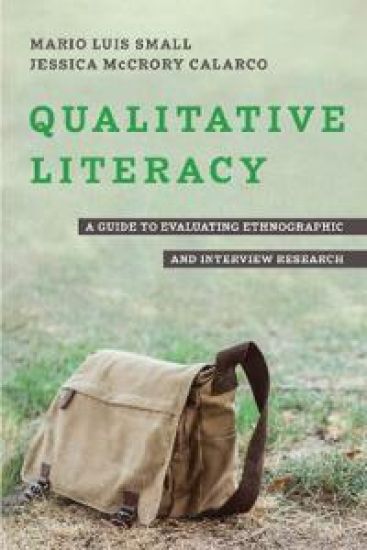
Suppose you were given two qualitative studies: one is a piece of empirically sound social science and the other, though interesting and beautifully written, is not. How would you tell the difference? Qualitative Literacy presents criteria to assess qualitative research methods such as in-depth interviewing and participant observation. Qualitative research is indispensable to the study of inequality, poverty, education, public health, immigration, the family, and criminal justice. Each of the hundreds of ethnographic and interview studies published yearly on these issues is scientifically either sound or unsound. This guide provides social scientists, researchers, students, evaluators, policy makers, and journalists with the tools needed to identify and evaluate quality in field research.
A Field Guide to Grad School

A Field Guide to Grad School

Jessica McCrory Calarco

Princeton University Press
2020
pokkari
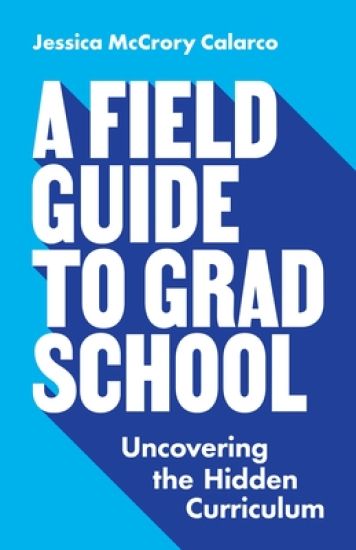
An essential handbook to the unwritten and often unspoken knowledge and skills you need to succeed in grad schoolSome of the most important things you need to know in order to succeed in graduate school—like how to choose a good advisor, how to get funding for your work, and whether to celebrate or cry when a journal tells you to revise and resubmit an article—won’t be covered in any class. They are part of a hidden curriculum that you are just expected to know or somehow learn on your own—or else. In this comprehensive survival guide for grad school, Jessica McCrory Calarco walks you through the secret knowledge and skills that are essential for navigating every critical stage of the postgraduate experience, from deciding whether to go to grad school in the first place to finishing your degree and landing a job. An invaluable resource for every prospective and current grad student in any discipline, A Field Guide to Grad School will save you grief—and help you thrive—in school and beyond.Provides invaluable advice about how to:Choose and apply to a graduate programStay on track in your programPublish and promote your workGet the most out of conferencesNavigate the job marketBalance teaching, research, service, and life
Negotiating Opportunities

Negotiating Opportunities

Jessica McCrory Calarco

Oxford University Press Inc
2018
sidottu
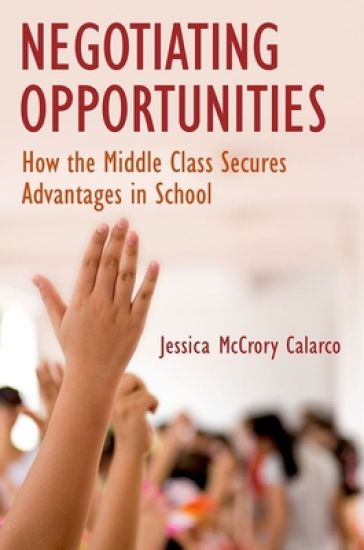
In Negotiating Opportunities, Jessica McCrory Calarco argues that the middle class has a negotiated advantage in school. Drawing on five years of ethnographic fieldwork, Calarco traces that negotiated advantage from its origins at home to its consequences at school. Through their parents' coaching, working-class students learn to follow rules and work through problems independently. Middle-class students learn to challenge rules and request assistance, accommodations, and attention in excess of what is fair or required. Teachers typically grant those requests, creating advantages for middle-class students. Calarco concludes with recommendations, advocating against deficit-oriented programs that teach middle-class behaviors to working-class students. Those programs ignore the value of working-class students' resourcefulness, respect, and responsibility, and they do little to prevent middle-class families from finding new opportunities to negotiate advantages in school.
Negotiating Opportunities

Negotiating Opportunities

Jessica McCrory Calarco

Oxford University Press Inc
2018
nidottu
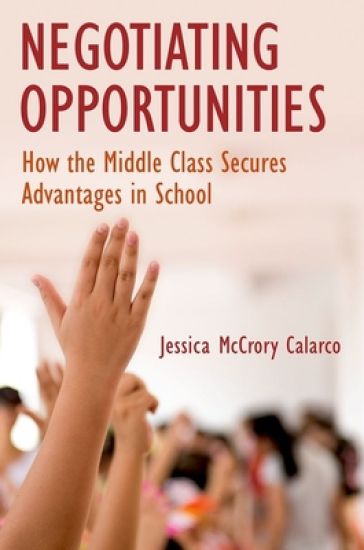
In Negotiating Opportunities, Jessica McCrory Calarco argues that the middle class has a negotiated advantage in school. Drawing on five years of ethnographic fieldwork, Calarco traces that negotiated advantage from its origins at home to its consequences at school. Through their parents' coaching, working-class students learn to follow rules and work through problems independently. Middle-class students learn to challenge rules and request assistance, accommodations, and attention in excess of what is fair or required. Teachers typically grant those requests, creating advantages for middle-class students. Calarco concludes with recommendations, advocating against deficit-oriented programs that teach middle-class behaviors to working-class students. Those programs ignore the value of working-class students' resourcefulness, respect, and responsibility, and they do little to prevent middle-class families from finding new opportunities to negotiate advantages in school.