Kirjojen hintavertailu. Mukana 12 390 323 kirjaa ja 12 kauppaa.

Kirjailija

Jessica Urwin

Kirjat ja teokset yhdessä paikassa: 6 kirjaa, julkaisuja vuosilta 2018-2025, suosituimpien joukossa A Return to Social Justice. Vertaile teosten hintoja ja tarkista saatavuus suomalaisista kirjakaupoista.

6 kirjaa

Kirjojen julkaisuhaarukka 2018-2025.

Contaminated Country

Contaminated Country

Jessica Urwin; Paul S. Sutter

UNIVERSITY OF WASHINGTON PRESS
2025
sidottu
The destruction and defiance that swirled around Australia's embrace of the world's nuclear orderThough a nonnuclear state, Australia was embroiled in the military and civilian nuclear energy programs of numerous global powers across the twentieth century. From uranium extraction to nuclear testing, Australia's lands became sites of imperial exploitation under the guise of national development. The continent was subject to rampant nuclear colonialism. However, this history is not just one of imposition. Aboriginal communities, bearing the brunt of these processes, have persistently resisted, reclaiming their rights to Country and demanding reparations.As Jessica Urwin shows, extraction, weapons testing, and nuclear waste disposal have caused incalculable physical, spiritual, and cultural harm to Aboriginal communities and lands. Yet Indigenous peoples all over the world have not only survived nuclear colonialism but challenged it time and time again. Tracking the colonial mechanisms Australia used to pursue a nuclear industry, Urwin simultaneously highlights how Aboriginal peoples refused and reshaped those same mechanisms over time. A groundbreaking book, Contaminated Country reveals how Australia's deep nuclear past has been entangled with colonialism locally, nationally, and internationally.
Contaminated Country

Contaminated Country

Jessica Urwin; Paul S. Sutter

UNIVERSITY OF WASHINGTON PRESS
2025
pokkari
The destruction and defiance that swirled around Australia's embrace of the world's nuclear orderThough a nonnuclear state, Australia was embroiled in the military and civilian nuclear energy programs of numerous global powers across the twentieth century. From uranium extraction to nuclear testing, Australia's lands became sites of imperial exploitation under the guise of national development. The continent was subject to rampant nuclear colonialism. However, this history is not just one of imposition. Aboriginal communities, bearing the brunt of these processes, have persistently resisted, reclaiming their rights to Country and demanding reparations.As Jessica Urwin shows, extraction, weapons testing, and nuclear waste disposal have caused incalculable physical, spiritual, and cultural harm to Aboriginal communities and lands. Yet Indigenous peoples all over the world have not only survived nuclear colonialism but challenged it time and time again. Tracking the colonial mechanisms Australia used to pursue a nuclear industry, Urwin simultaneously highlights how Aboriginal peoples refused and reshaped those same mechanisms over time. A groundbreaking book, Contaminated Country reveals how Australia's deep nuclear past has been entangled with colonialism locally, nationally, and internationally.

A Popular Criminology of Youth Justice

A Popular Criminology of Youth Justice

Jessica Urwin

TAYLOR FRANCIS LTD
2024
nidottu
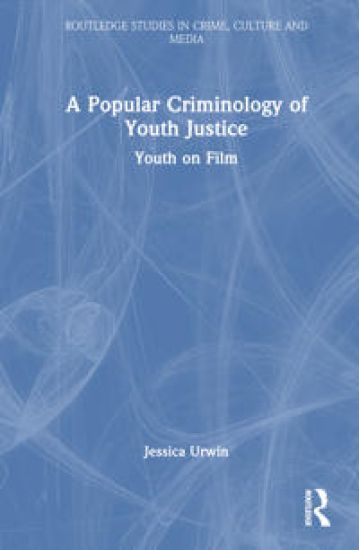
Analysing the representation of youth crime and justice-involved children in popular fictional films, this book explores how what we see on screen contributes to the perceptions of youth justice in society, policy, and practice.Putting forward the argument that fictional representations have a real-world impact on the opportunities available to children, each chapter in the book focuses on a different genre or type of film and considers the ways in which justice-involved children have been demonised, stereotyped, and harmed by their portrayal on the big screen. From James Dean and the birth of “monstrous youth” in Rebel Without A Cause to the current, more nuanced portrayals as seen in The Young Offenders, the book examines films throughout history and across different cultures. In doing so, it demonstrates how portrayals of justice-involved children have contributed to the social understanding of what youth crime is and who is to blame for it, and highlights how we can use this knowledge to better understand and support children.By combining youth justice theory with media analysis, A Popular Criminology of Youth Justice: Youth on Film makes a novel contribution to both fields and will be of great interest to students and researchers in the areas of youth crime, youth justice, and the media.
A Popular Criminology of Youth Justice

A Popular Criminology of Youth Justice

Jessica Urwin

TAYLOR FRANCIS LTD
2024
sidottu
Analysing the representation of youth crime and justice-involved children in popular fictional films, this book explores how what we see on screen contributes to the perceptions of youth justice in society, policy, and practice.Putting forward the argument that fictional representations have a real-world impact on the opportunities available to children, each chapter in the book focuses on a different genre or type of film and considers the ways in which justice-involved children have been demonised, stereotyped, and harmed by their portrayal on the big screen. From James Dean and the birth of “monstrous youth” in Rebel Without A Cause to the current, more nuanced portrayals as seen in The Young Offenders, the book examines films throughout history and across different cultures. In doing so, it demonstrates how portrayals of justice-involved children have contributed to the social understanding of what youth crime is and who is to blame for it, and highlights how we can use this knowledge to better understand and support children.By combining youth justice theory with media analysis, A Popular Criminology of Youth Justice: Youth on Film makes a novel contribution to both fields and will be of great interest to students and researchers in the areas of youth crime, youth justice, and the media.
A Return to Social Justice

A Return to Social Justice

Jessica Urwin

Springer Nature Switzerland AG
2019
nidottu
Youth justice has always focused on criminal justice but this work argues that taking a social justice approach is the best way to reduce youth crime. Drawing on philosophy, new research, and practitioners’ views, a new organizational structure and approach is developed. Urwin outlines the philosophical and historical background of youth justice and clarifies how this has led to problems within current practice. Prominent debates within the field are also explored in depth, such as care vs. control, and the issue of professional identity. Ultimately, all of these factors are considered in relation to the organizational structure of youth justice, and this bold and engaging study highlights the need for a more principled approach to practice. Timely and authoritative, this book is will be of great interest to youth justice practitioners, academics, students, and those who would like to apply social justice to social institutions.
A Return to Social Justice

A Return to Social Justice

Jessica Urwin

Springer International Publishing AG
2018
sidottu
Youth justice has always focused on criminal justice but this work argues that taking a social justice approach is the best way to reduce youth crime. Drawing on philosophy, new research, and practitioners’ views, a new organizational structure and approach is developed. Urwin outlines the philosophical and historical background of youth justice and clarifies how this has led to problems within current practice. Prominent debates within the field are also explored in depth, such as care vs. control, and the issue of professional identity. Ultimately, all of these factors are considered in relation to the organizational structure of youth justice, and this bold and engaging study highlights the need for a more principled approach to practice. Timely and authoritative, this book is will be of great interest to youth justice practitioners, academics, students, and those who would like to apply social justice to social institutions.