
Kirjailija
Jessie Willcox Smith
Kirjat ja teokset yhdessä paikassa: 20 kirjaa, julkaisuja vuosilta 2016-2026, suosituimpien joukossa Brenda,. Vertaile teosten hintoja ja tarkista saatavuus suomalaisista kirjakaupoista.
20 kirjaa
Kirjojen julkaisuhaarukka 2016-2026.
The Children of Dickens
Samuel Mcchord Crothers; Jessie Willcox Smith
Creative Media Partners, LLC
2026
sidottu
The Children of Dickens
Samuel Mcchord Crothers; Jessie Willcox Smith
Creative Media Partners, LLC
2026
pokkari



This book has been considered by academicians and scholars of great significance and value to literature. This forms a part of the knowledge base for future generations. We havent used any OCR or photocopy to produce this book. The whole book has been typeset again to produce it without any errors or poor pictures and errant marks.
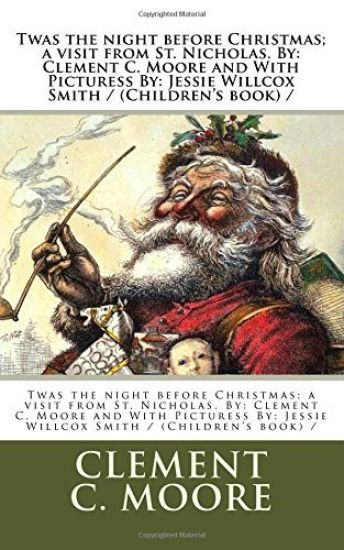
Twas the night before Christmas; a visit from St. Nicholas. By: Clement C. Moore and With Picturess By: Jessie Willcox Smith / (Children's book) /
Jessie Willcox Smith; Clement C. Moore
Createspace Independent Publishing Platform
2017
nidottu
'Twas the night before Christmas, when all thro' the house Not a creature was stirring, not even a mouse; The stockings were hung by the chimney with care, In hopes that St. Nicholas soon would be there; The children were nestled all snug in their beds, While visions of sugar plums danced in their heads
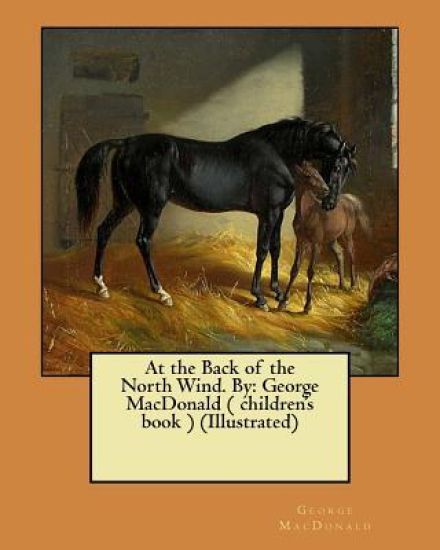
At the Back of the North Wind. By: George MacDonald ( children's book ) (Illustrated)
Jessie Willcox Smith; George MacDonald
Createspace Independent Publishing Platform
2017
nidottu
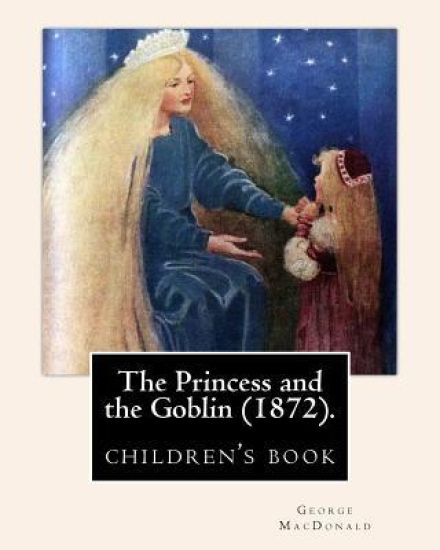
The Princess and the Goblin (1872).By: George MacDonald: illustrated By: Jessie Willcox Smith (1863-1935), (children's book )
Jessie Willcox Smith; George MacDonald
Createspace Independent Publishing Platform
2017
nidottu
The Princess and the Goblin is a children's fantasy novel by George MacDonald. It was published in 1872 by Strahan & Co. The sequel to this book is The Princess and Curdie. Anne Thaxter Eaton writes in A Critical History of Children's Literature that The Princess and the Goblin and its sequel "quietly suggest in every incident ideas of courage and honor."Jeffrey Holdaway, in the New Zealand Art Monthly, said that both books start out as "normal fairytales but slowly become stranger", and that they contain layers of symbolism similar to that of Lewis Carroll's work.Eight-year-old Princess Irene lives a lonely life in a castle in a wild, desolate, mountainous kingdom, with only her nursemaid, Lootie, for company. Her father, the king, is normally absent, and her mother is dead. Unknown to her, the nearby mines are inhabited by a race of goblins, long banished from the kingdom and now anxious to take revenge on their human neighbors. One rainy day, the princess explores the castle and discovers a beautiful, mysterious lady, who identifies herself as Irene's namesake and great-great-grandmother. The next day, Princess Irene persuades her nursemaid to take her outside. After dark they are chased by goblins and rescued by the young miner, Curdie, whom Irene befriends. At work with the rest of the miners, Curdie overhears the goblins talking, and their conversation reveals to Curdie the secret weakness of goblin anatomy: they have very soft, vulnerable feet. Curdie sneaks into the Great Hall of the goblin palace to eavesdrop on their general meeting, and hears that the goblins intend to flood the mine if a certain other part of their plan should fail. He later conveys this news to his father. In the palace, Princess Irene injures her hand, which her great-great-grandmother heals. A week later Irene is about to see her great-great-grandmother again, but is frightened by a long-legged cat and escapes up the mountain; whereupon the light from her great-great-grandmother's tower leads her home, where her great-great-grandmother gives Irene a ring attached to a thread invisible except to herself, which thereafter connects her constantly to home. When Curdie explores the goblins' domain, he is discovered by the goblins and stamps on their feet with great success; but when he tries to stamp on the Queen's feet she is uninjured due to her stone shoes. The goblins imprison Curdie, thinking he will die of starvation; but Irene's magic thread leads her to his rescue, and Curdie steals one of the goblin queen's stone shoes. Irene takes Curdie to see her great-great-grandmother and be introduced; but she is only visible to Irene. Curdie later learns that the goblins are digging a tunnel in the mines towards the king's palace, where they plan to abduct the Princess and marry her to goblin prince Harelip. Curdie warns the palace guards about this, but is imprisoned instead and contracts a fever through a wound in his leg, until Irene's great-great-grandmother heals the wound. Meanwhile, the goblins break through the palace floor and come to abduct the princess; but Curdie escapes from his prison room and stamps on the goblins' feet. Upon the goblins' retreat, Irene is believed a captive; but Curdie follows the magic thread to her refuge at his own house, and restores her to the king. When the goblins flood the mines, the water enters the palace, and Curdie warns the others; but the goblins are drowned. The king asks him to serve as a bodyguard; but Curdie refuses, saying he cannot leave his mother and father, and instead accepts a new red petticoat for his mother, as a reward.Jessie Willcox Smith (September 6, 1863 - May 3, 1935) was one of the most prominent female illustrators in the United States during the Golden Age of American illustration.George MacDonald (10 December 1824 - 18 September 1905) was a Scottish author, poet, and Christian minister.
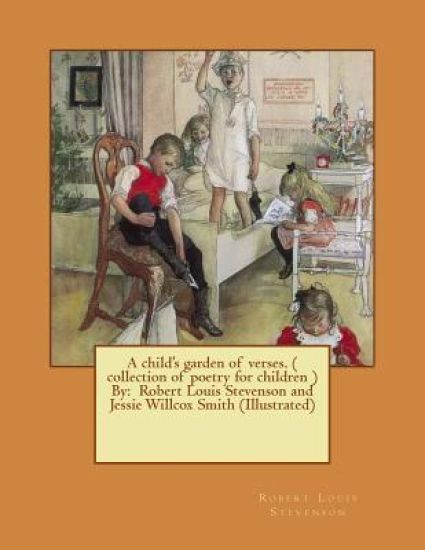
A child's garden of verses. ( collection of poetry for children ) By: Robert Louis Stevenson and Jessie Willcox Smith (Illustrated)
Jessie Willcox Smith; Robert Louis Stevenson
Createspace Independent Publishing Platform
2017
nidottu

At the Back of the North Wind. (Children's Classics) By: George MacDonald (Original Version)
Jessie Willcox Smith; George MacDonald
Createspace Independent Publishing Platform
2016
nidottu

The water-babies, By Charles Kingsleyand illustration By Jessie Willcox Smith(children's novel): Jessie Willcox Smith (September 6, 1863 - May 3, 1935
Jessie Willcox Smith; Charles Kingsleyand
Createspace Independent Publishing Platform
2016
nidottu
The Water-Babies, A Fairy Tale for a Land Baby is a children's novel by the Reverend Charles Kingsley. Written in 1862-63 as a serial for Macmillan's Magazine, it was first published in its entirety in 1863. It was written as part satire in support of Charles Darwin's The Origin of Species. The book was extremely popular in England, and was a mainstay of British children's literature for many decades, but eventually fell out of favour in part due to its prejudices (common at the time) against Irish, Jews, Americans, and the poor.The protagonist is Tom, a young chimney sweep, who falls into a river after encountering an upper-class girl named Ellie and being chased out of her house. There he drowns and is transformed into a "water-baby", 2] as he is told by a caddisfly-an insect that sheds its skin-and begins his moral education. The story is thematically concerned with Christian redemption, though Kingsley also uses the book to argue that England treats its poor badly, and to question child labour, among other themes. Tom embarks on a series of adventures and lessons, and enjoys the community of other water-babies once he proves himself a moral creature. The major spiritual leaders in his new world are the fairies Mrs. Doasyouwouldbedoneby (a reference to the Golden Rule), Mrs. Bedonebyasyoudid, and Mother Carey. Weekly, Tom is allowed the company of Ellie, who became a water-baby after he did. Grimes, his old master, drowns as well, and in his final adventure, Tom travels to the end of the world to attempt to help the man where he is being punished for his misdeeds. Tom helps Grimes to find repentance, and Grimes will be given a second chance if he can successfully perform a final penance. By proving his willingness to do things he does not like, if they are the right things to do, Tom earns himself a return to human form, and becomes "a great man of science" who "can plan railways, and steam-engines, and electric telegraphs, and rifled guns, and so forth". He and Ellie are united, although the book states that they never marry (claiming that in fairy tales, no one beneath the rank of prince and princess ever marries)..... Charles Kingsley (12 June 1819 - 23 January 1875) was a broad church priest of the Church of England, a university professor, social reformer, historian and novelist. He is particularly associated with Christian socialism, the working men's college, and forming labour cooperatives that failed but led to the working reforms of the progressive era. He was a friend and correspondent with Charles Darwin..... Jessie Willcox Smith (September 6, 1863 - May 3, 1935) was one of the most prominent female illustrators in the United States during the Golden Age of American illustration. She was a prolific contributor to respected books and magazines during the late 19th and early 20th centuries. She illustrated stories and articles for clients such as Century, Collier's, Leslie's Weekly, Harper's, McClure's, Scribners, and the Ladies' Home Journal. She had an ongoing relationship with Good Housekeeping, including the long-running Mother Goose series of illustrations and creating all the covers from 1915 to 1933. Among the more than 60 books that Smith illustrated were Louisa May Alcott's Little Women and An Old-Fashioned Girl, Henry Wadsworth Longfellow's Evangeline, and Robert Louis Stevenson's A Child's Garden of Verses....

The princess and the goblin, By George MacDonald (children's fantasy novel): illustrated By Jessie Willcox Smith (September 6, 1863 - May 3, 1935) was
Jessie Willcox Smith; George MacDonald
Createspace Independent Publishing Platform
2016
nidottu
The Princess and the Goblin is a children's fantasy novel by George MacDonald. It was published in 1872 by Strahan & Co.The sequel to this book is The Princess and Curdie.Anne Thaxter Eaton writes in A Critical History of Children's Literature that The Princess and the Goblin and its sequel "quietly suggest in every incident ideas of courage and honor."Jeffrey Holdaway, in the New Zealand Art Monthly, said that both books start out as "normal fairytales but slowly become stranger", and that they contain layers of symbolism similar to that of Lewis Carroll's work. Eight-year-old Princess Irene lives a lonely life in a castle in a wild, desolate, mountainous kingdom, with only her nursemaid "Lootie" for company. Her father the king is normally absent, and her mother is dead. Unknown to her, the nearby mines are inhabited by a race of goblins, long banished from the kingdom and now anxious to take revenge on their human neighbors. One rainy day, the princess explores the castle and discovers a beautiful, mysterious lady, who identifies herself as Irene's namesake and great-great-grandmother. The next day, Princess Irene persuades her nursemaid to take her outside. After dark they are chased by goblins and rescued by the young miner 'Curdie', whom Irene befriends. At work with the rest of the miners, Curdie overhears the goblins talking, and their conversation reveals to Curdie the secret weakness of goblin anatomy: they have very soft, vulnerable feet. Curdie sneaks into the Great Hall of the goblin palace to eavesdrop on their general meeting, and hears that the goblins intend to flood the mine if a certain other part of their plan should fail. He later conveys this news to his father. In the palace, Princess Irene injures her hand, which her great-great-grandmother heals. A week later Irene is about to see her great-great-grandmother again, but is frightened by a long-legged cat and escapes up the mountain; whereupon the light from her great-great-grandmother's tower leads her home, where her great-great-grandmother gives Irene a ring attached to a thread invisible except to herself, which thereafter connects her constantly to home. When Curdie explores the goblins' domain, he is discovered by the goblins and stamps on their feet with great success; but when he tries to stamp on the Queen's feet she is uninjured due to her stone shoes. The goblins imprison Curdie, thinking he will die of starvation; but Irene's magic thread leads her to his rescue, and Curdie steals one of the goblin queen's stone shoes. Irene takes Curdie to see her great-great-grandmother and be introduced; but she is only visible to Irene. Curdie later learns that the goblins are digging a tunnel in the mines towards the king's palace, where they plan to abduct the Princess and marry her to goblin prince Harelip. Curdie warns the palace guards about this, but is imprisoned instead and contracts a fever through a wound in his leg, until Irene's great-great-grandmother heals the wound. Meanwhile, the goblins break through the palace floor and come to abduct the princess; but Curdie escapes from his prison room and stamps on the goblins' feet. Upon the goblins' retreat, Irene is believed a captive; but Curdie follows the magic thread to her refuge at his own house, and restores her to the king. When the goblins flood the mines, the water enters the palace, and Curdie warns the others; but the goblins are drowned. The king asks him to serve as a bodyguard; but Curdie refuses, saying he cannot leave his mother and father, and instead accepts a new red petticoat for his mother, as a reward.Jessie Willcox Smith (September 6, 1863 - May 3, 1935) was one of the most prominent female illustrators in the United States during the Golden Age of American illustration.