Kirjojen hintavertailu. Mukana 12 390 323 kirjaa ja 12 kauppaa.

Kirjailija

Jill Franks

Kirjat ja teokset yhdessä paikassa: 6 kirjaa, julkaisuja vuosilta 1999-2022, suosituimpien joukossa Woody Allen and Charlie Chaplin. Vertaile teosten hintoja ja tarkista saatavuus suomalaisista kirjakaupoista.

6 kirjaa

Kirjojen julkaisuhaarukka 1999-2022.

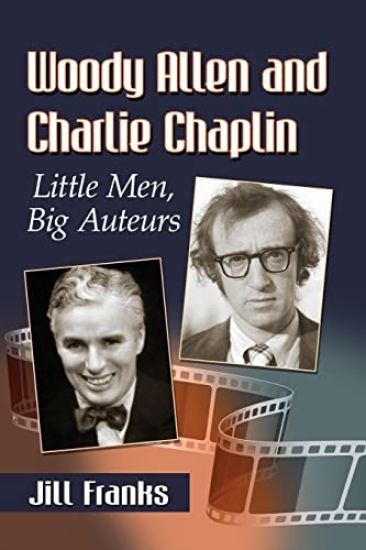
Woody Allen and Charlie Chaplin

Woody Allen and Charlie Chaplin

Jill Franks

McFarland Co Inc
2019
pokkari
The comic archetype of the Little Man--a "nobody" who stands up to unfairness--is central to the films of Woody Allen and Charlie Chaplin. Portraying the alienation of life in an indifferent world with a mix of pathos, irony and slapstick, both adopted absurdist personas--Chaplin's bumbling yet clever Tramp with his shabby clothes, and Allen's fool with his metaphysical witticisms and proclivity to fall in love too quickly. Both men were auteurs who managed to retain creative control of their work and achieve worldwide popularity. Both suffered from scandals regarding their attraction to younger women. Drawing on psychoanalysis and gender studies, this book explores their films as barometers of their respective historical moments, marking cultural shifts from modernism to postmodernism.
Social Identity and Literary Form in the Victorian Novel
Enormous social changes during the Victorian era inspired some of the finest novels in the English language. In the final decades of the century, rigid application of gender rules and class hierarchies began to relax. Consciousness of the injustice of class- and gender-based discrimination was growing. Meanwhile, bias against nonwhite peoples was worsening. The British used scientific racism to justify their relentless expansion in Africa and Asia. Viewing Victorian literature through the lens of these social changes gives the modern reader a fresh way to interpret the novels and to appreciate their relevance to contemporary issues. Nineteenth-century novelists deployed realism, satire, and the bildungsroman to resist or support leading ideologies of their time, including the separate spheres doctrine and British supremacism. Each chapter is an elaboration of the author's university lectures about Victorian classics. The tone is scholarly yet conversational, directed to the undergraduate student as well as the general reader or Victoriaphile. The text presents concepts in interdisciplinary cultural studies, discusses the uses of genre for rhetorical and social purposes, and exposes paradoxes of the era. The coherent style, abundant examples, discussion questions, and literary glossary make this book a valuable supplement for readers of the Victorian novel.
British and Irish Women Writers and the Women's Movement
This study pairs selected Irish and British women novelists of three periods, relating their voices to the women's movements in their respective nations. In the first wave, nationalist and militant ideologies competed with the suffrage fight in Ireland. Elizabeth Bowen's The Last September illustrates the melancholy of gender performance and confusion of ethnic identity in the dying Anglo-Irish Ascendancy class. In England, suffrage ideologies clashed with socialism and patriotism. Virginia Woolf's Mrs. Dalloway contains a political unconscious that links its characters across class and gender. In the second wave, heterosexual romantic relationships come under scrutiny. Edna O'Brien's Country Girls trilogy reveals ways in which Irish Catholic ideologies abject femaleness; her characters internalize this abjection to the point of self-destruction. Doris Lessing's The Golden Notebook pits the protagonist's aspirations to write novels against the Communist Party's prohibitions on bourgeois values. In the third wave, Irish writers express the frustrations of their cultural identity. Nuala O'Faolain's My Dream of You takes her protagonist back to Ireland to heal her psychic wounds. In England, Thatcherism had created a materialistic culture that eroded many feminists' socialist values. Fay Weldon's Big Woman satirizes the demise of second-wave idealism, asking where feminism can go from here.
Islands and the Modernists

Islands and the Modernists

Jill Franks

McFarland Co Inc
2006
pokkari
"The text explores the extent to which islands inspired radical thinkers Charles Darwin, Paul Gauguin, John Millington Synge, D.H. Lawrence and Margaret Mead to perform innovative work. Each used islands differently, but similar phenomena affected their choice of place and the outcome of their projects. Their examples illuminate the relationship of modernism to alienation and insularity"--Provided by publisher.
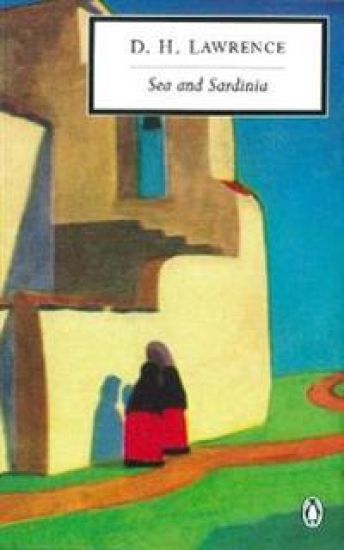
Sea and Sardinia

Sea and Sardinia

D. H. Lawrence; Jill Franks; Mara Kalnins

Penguin Classics
1999
pokkari
Written after the First World War when he was living in Sicily, SEA AND SARDINIA records Lawrence's journey to Sardinia and back in January 1921. It reveals his delighted response to a new landscape and people and his uncanny ability to transmute the spirit of place into literary art. Like his other travel writings the book is also a shrewd inquiry into the political and social values of an era which saw the rise of communism and fascism.