Kirjailija
Jo Boaler
Kirjat ja teokset yhdessä paikassa: 26 kirjaa, julkaisuja vuosilta 2000-2026, suosituimpien joukossa Limitless Mind. Vertaile teosten hintoja ja tarkista saatavuus suomalaisista kirjakaupoista.
26 kirjaa
Kirjojen julkaisuhaarukka 2000-2026.
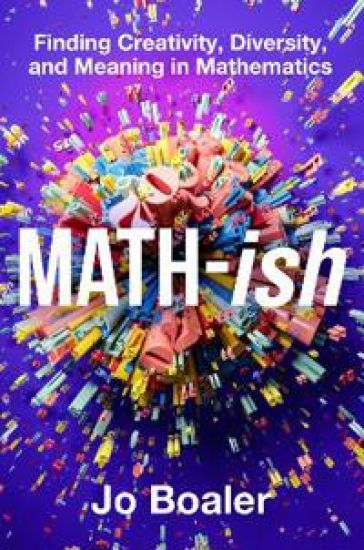
Alt for mange elever kæmper med matematik og mister glæden ved faget. Den amerikanske forsker og professor i matematikundervisning Jo Boaler har sat sig for at ændre på dette med sin banebrydende tilgang. I "Matematik-ish" præsenterer Jo Boaler en guide til at undervise i matematik på en måde, som favner elevernes forskellighed. Bogen viser, hvordan alle elever kan engageres og udvikle en dyb forståelse af faget. Jo Boaler kalder sin tilgang matematik-ish, og den handler grundlæggende om at flytte fokus fra snævre regnemetoder og algoritmer til de overordnede begreber og den matematiske tænkning. Nøglen er at se matematik som et fag med mange mulige tilgange og løsninger og at betragte fejl som en værdifuld mulighed for læring. Når du lykkes med denne tilgang, vil du opleve bedre præstationer, øget motivation og større glæde hos dine elever. Jo Boaler giver en konkret indføring i arbejdet med matematik-ish og supplerer med mange eksempler, der kan bruges på alle alderstrin – fra grundskole til universitet.
Develop curious minds. Empower every learner. Shape the future. How can we prepare students for a world where data-driven decision-making shapes nearly every aspect of life? Data Minds: How Today’s Teachers Can Prepare Students for Tomorrow’s World helps K–8 educators infuse data literacy into everyday lessons across disciplines, without overwhelming existing curricula. Data literacy is an ability and willingness to engage with and understand data in the world, and it can be incorporated throughout the school day to encourage student agency. Legendary educators Jo Boaler and Cathy Williams inspire teachers to develop "data minds" in their students—fostering analytical, creative, and skeptical thinkers who can successfully navigate the data-rich world. Aligned with current math, STEM, and GAISE II standards, this book Provides innovative, real-world stories from classrooms across the globe, offering inspiration and insight from other educatorsHighlights five key habits of mind that position students actively, giving them a role in seeking and investigating knowledge deeplyIncludes engaging and fascinating examples of data visualizations that demonstrate that data analysis goes way beyond charts and strings of numbersOffers flexible frameworks, including the Four-Part Data Cycle, that focus on asking questions, analyzing patterns, and developing multi-modal representations like graphs, maps, and even art piecesPresents extensive teacher "data moves," reflection questions, and examples in each chapter showing how to connect lessons to students’ interests, from oceanography to basketballIncludes online access to free professional development resources and accompanying lessons through Stanford University’s youcubed From forming data questions to cultivating creativity, Data Minds will help educators turn every lesson into an opportunity for meaningful discovery. By integrating data literacy into the curriculum, teachers can unlock new levels of student engagement at the same time they are preparing learners for the demands of tomorrow's workforce.
From Stanford professor, author of Limitless Mind, youcubed.org founder, and leading expert in the field of mathematics education Jo Boaler comes a groundbreaking guide to finding joy and understanding by adopting a diverse approach to learning math.“Every once in a while, someone revolutionizes an approach to a difficult subject and changes it forever. That is what Jo Boaler has done for math. Fresh, smart, and inclusive, Jo Boaler's strategy eschews the one-size-fits-a-few approach and instead allows math to be seen and solved by everyone. A huge achievement. Math-ish is the only math book I’ve ever enjoyed reading in my entire life. Honestly.” -Bonnie Garmus, author of Lessons in ChemistryMathematics is a fundamental part of life, yet every one of us has a unique relationship with learning and understanding the subject. Working with numbers may inspire confidence in our abilities or provoke anxiety and trepidation. Stanford researcher, mathematics education professor, and the leading expert on math learning Dr. Jo Boaler argues that our differences are the key to unlocking our greatest mathematics potential.In Math-ish, Boaler shares new neuroscientific research on how embracing the concept of “math-ish”—a theory of mathematics as it exists in the real world—changes the way we think about mathematics, data, and ourselves. When we can see the value of diversity among people and multi-faceted approaches to learning math, we are free to truly flourish. Utilizing the latest research on math education, Jo guides us through seven principles that can radically reframe our relationship with the subject:• The power of mindset on learning• Utilizing a visual approach to math• The impact of physical movement and communication on understanding• Understanding the value of an "ish" perspective - in mathematics and beyond• The importance of connected and flexible knowledge• New data on diverse teaching modes that work with different learning styles, not against them• The value of diversity in learning mathematics—and beyondWhen mathematics is approached more broadly, inclusively, and with a greater sense of wonder and play—when we value the different ways people see, approach, and understand it—we empower ourselves and gain a beneficial understanding of its value in our lives.
A NEW EDITION OF THE ORIGINAL BESTSELLER 'Well-researched and provides positive solutions' Times Educational Supplement In The Elephant in the Classroom, Jo Boaler outlines what has gone wrong in mathematics education, identifying the problems facing children in classrooms today. How can children be prepared for the mathematics they will need in the future? They need to be taught to be quantitatively literate, to think flexibly and creatively and how to problem solve. Jo Boaler offers concrete solutions for parents and teachers that will revolutionise children's experience with maths. Along with practical teaching activities, strategies and questions that can transform a child's mathematical future, she shares a range of free and accessible online resources. 'Has attracted an enthusiastic and vocal fan club among mums, dads and professionals' Daily Telegraph
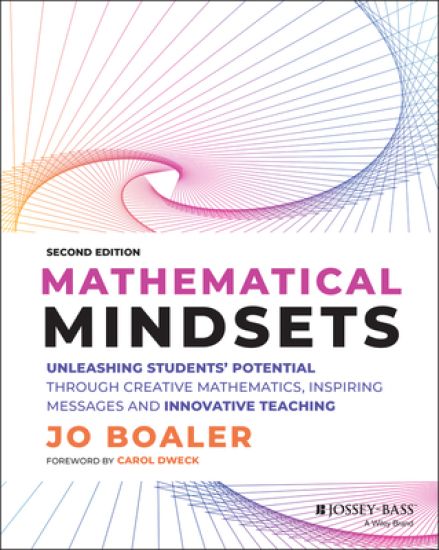
Reverse mathematics trauma and find a universal blueprint for math success In Mathematical Mindsets: Unleashing Students' Potential through Creative Math, Inspiring Messages and Innovative Teaching mathematics education expert and best-selling author Jo Boaler delivers a blueprint to banishing math anxiety and laying a foundation for mathematics success that anyone can build on. Perfect for students who have been convinced they are naturally "bad at math," the author offers a demonstration of how to turn self-doubt into self-confidence by relying on the "mindset" framework. Mathematical Mindsets is based on thousands of hours of in-depth study and research into the most effective—and ineffective—ways to teach math to young people. This new edition also includes: Brand-new research from the last five years that sheds brighter light on how to turn a fear of math into an enthusiastic desire to learnDeveloped ideas about ways to bring about equitable grouping in classroomsNew initiatives to bring 21st century mathematics to K-12 classrooms Mathematical Mindsets is ideal for K-12 math educators. It also belongs on the bookshelves of the parents interested in helping their K-12 children with their math education, as well as school administrators and educators-in-training.
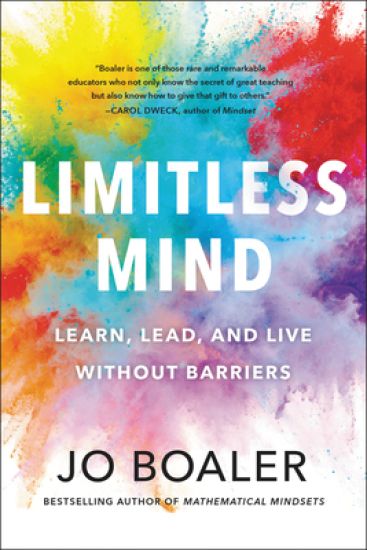
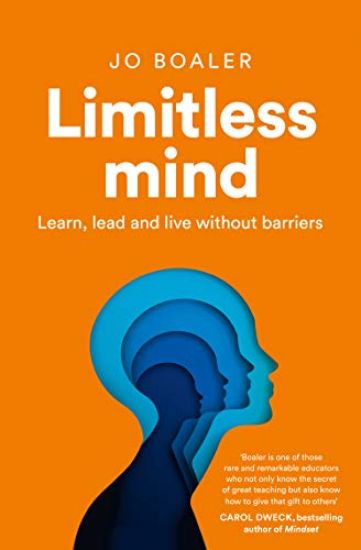
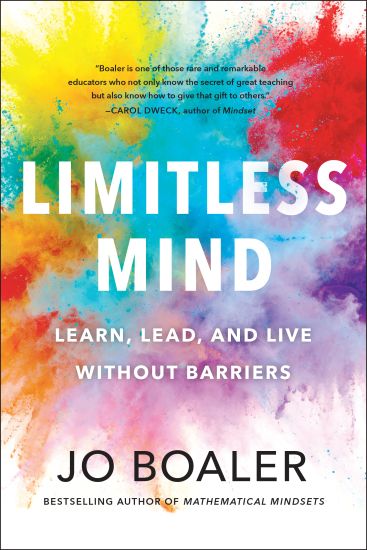
"Boaler is one of those rare and remarkable educators who not only know the secret of great teaching but also know how to give that gift to others." -- CAROL DWECK, author of Mindset"Jo Boaler is one of the most creative and innovative educators today. Limitless Mind marries cutting-edge brain science with her experience in the classroom, not only proving that each of us has limitless potential but offering strategies for how we can achieve it." -- LAURENE POWELL JOBS"A courageous freethinker with fresh ideas on learning." -- BOOKLISTIn this revolutionary book, a professor of education at Stanford University and acclaimed math educator who has spent decades studying the impact of beliefs and bias on education, reveals the six keys to unlocking learning potential, based on the latest scientific findings.From the moment we enter school as children, we are made to feel as if our brains are fixed entities, capable of learning certain things and not others, influenced exclusively by genetics. This notion follows us into adulthood, where we tend to simply accept these established beliefs about our skillsets (i.e. that we don't have "a math brain" or that we aren't "the creative type"). These damaging--and as new science has revealed, false--assumptions have influenced all of us at some time, affecting our confidence and willingness to try new things and limiting our choices, and, ultimately, our futures. Stanford University professor, bestselling author, and acclaimed educator Jo Boaler has spent decades studying the impact of beliefs and bias on education. In Limitless Mind, she explodes these myths and reveals the six keys to unlocking our boundless learning potential. Her research proves that those who achieve at the highest levels do not do so because of a genetic inclination toward any one skill but because of the keys that she reveals in the book. Our brains are not "fixed," but entirely capable of change, growth, adaptability, and rewiring. Want to be fluent in mathematics? Learn a foreign language? Play the guitar? Write a book? The truth is not only that anyone at any age can learn anything, but the act of learning itself fundamentally changes who we are, and as Boaler argues so elegantly in the pages of this book, what we go on to achieve.
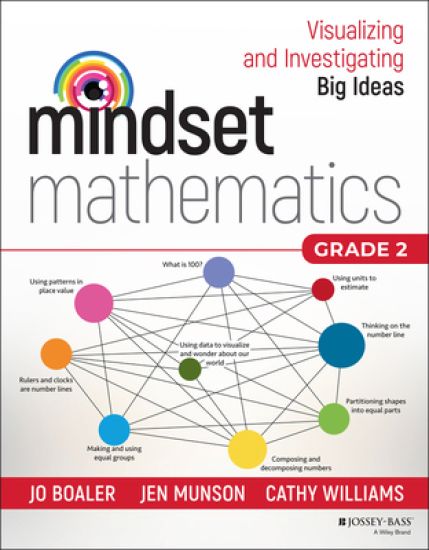
Mindset Mathematics: Visualizing and Investigating Big Ideas, Grade 2
Jo Boaler; Jen Munson; Cathy Williams
Jossey-Bass Inc.,U.S.
2022
nidottu
Engage students in mathematics using growth mindset techniques The most challenging parts of teaching mathematics are engaging students and helping them understand the connections between mathematics concepts. In this volume, you'll find a collection of low-floor, high-ceiling tasks that will help you do just that, by looking at the big ideas in second grade through visualization, play, and investigation. During their work with tens of thousands of teachers, authors Jo Boaler, Jen Munson, and Cathy Williams heard the same message-that they want to incorporate more brain science into their math instruction, but they need guidance in the techniques that work best to get across the concepts they needed to teach. So, the authors designed Mindset Mathematics around the principle of active student inquiry, with tasks that reflect the latest brain science on learning. Open, creative, and visual math tasks have been shown to support student learning, and more importantly change their relationship with mathematics and start believing in their own potential. The tasks in Mindset Mathematics reflect the lessons from brain science that: There is no such thing as a math person and anyone can learn mathematics to high levels.Mistakes, struggle, and challenge are opportunities for brain growth.Speed is unimportant, and even counterproductive, in mathematics.Mathematics is a visual and beautiful subject, and our brains want to think visually about mathematics. With engaging questions, open-ended tasks, and four-color visuals that will help kids get excited about mathematics, Mindset Mathematics is organized around nine big ideas which emphasize the connections within the Common Core State Standards (CCSS) and can be used with any current curriculum.
Enamus meist on veendunud, et meie võimetel on piirid. Teadus aga ütleb, et see pole sugugi nii. Jo Boaleri "Piirideta mõistus" pakub ohtralt tõendeid, mis kinnitavad, et tegelikult on meie aju ääretult paindlik ja õpivõimeline. Paljud on kasvanud üles veendumusega, et pea kas võtab matemaatikat või siis mitte. Esimeste raskuste tekkimisel jõutakse kärmelt järelduseni, et ei võta. Iga järgnev kiiva kiskuv katse vaid kinnitab seda. Samas leidub üllatavalt vähe selgeid tõendeid selle kohta, et inimene on jõudnud oma võimete vääramatu piirini. Küll aga pakub teadus hulgaliselt tõendeid sellest, et sageli kipume liiga kärmelt alla andma. Uuringud näitavad sedagi, et kui matemaatikapelguril tuleb arvudega pistmist teha, aktiveerub tema ajus hirmukeskus - seesama, mis erutub, kui näeme madu või ämblikku - samas kui probleemilahendamiskeskuste aktiivsus kukub oluliselt. See selgitab nii mõndagi. Boaler lükkab üheselt ümber meid kammitsevad väärarusaamad ning selgitab, kuidas iseenda ja teiste potentsiaali paremini avada. Lisaks teaduse viimasele sõnale toob Stanfordi ülikooli professor välja kuus õppimise võluvõtit, mis panevad aju teisiti tööle. Need ei muuda üksnes uskumusi tegelikkusest, vaid ka tegelikkust ennast, sest mõistes oma päris potentsiaali, avanevad küljed, mida siiani eitasime.
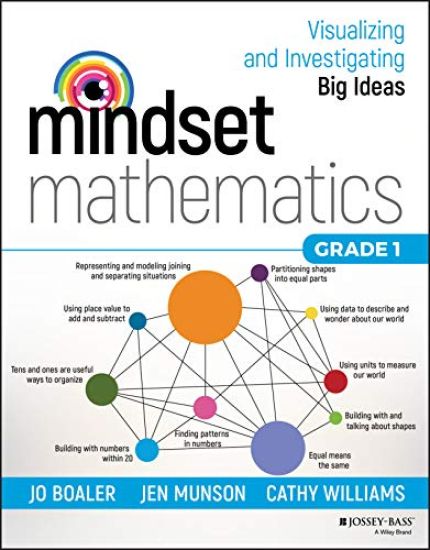
Mindset Mathematics: Visualizing and Investigating Big Ideas, Grade 1
Jo Boaler; Jen Munson; Cathy Williams
Jossey-Bass Inc.,U.S.
2021
nidottu
Engage students in mathematics using growth mindset techniques The most challenging parts of teaching mathematics are engaging students and helping them understand the connections between mathematics concepts. In this volume, you'll find a collection of low floor, high ceiling tasks that will help you do just that, by looking at the big ideas at the first-grade level through visualization, play, and investigation. During their work with tens of thousands of teachers, authors Jo Boaler, Jen Munson, and Cathy Williams heard the same message—that they want to incorporate more brain science into their math instruction, but they need guidance in the techniques that work best to get across the concepts they needed to teach. So the authors designed Mindset Mathematics around the principle of active student engagement, with tasks that reflect the latest brain science on learning. Open, creative, and visual math tasks have been shown to improve student test scores, and more importantly change their relationship with mathematics and start believing in their own potential. The tasks in Mindset Mathematics reflect the lessons from brain science that: There is no such thing as a math person - anyone can learn mathematics to high levels.Mistakes, struggle and challenge are the most important times for brain growth.Speed is unimportant in mathematics.Mathematics is a visual and beautiful subject, and our brains want to think visually about mathematics. With engaging questions, open-ended tasks, and four-color visuals that will help kids get excited about mathematics, Mindset Mathematics is organized around nine big ideas which emphasize the connections within the Common Core State Standards (CCSS) and can be used with any current curriculum.
Mindset Mathematics: Visualizing and Investigating Big Ideas, Grade K
Jo Boaler; Jen Munson; Cathy Williams
Jossey-Bass Inc.,U.S.
2020
nidottu
Engage students in mathematics using growth mindset techniques The most challenging parts of teaching mathematics are engaging students and helping them understand the connections between mathematics concepts. In this volume, you'll find a collection of low floor, high ceiling tasks that will help you do just that, by looking at the big ideas at the kindergarten-grade level through visualization, play, and investigation. During their work with tens of thousands of teachers, authors Jo Boaler, Jen Munson, and Cathy Williams heard the same message—that they want to incorporate more brain science into their math instruction, but they need guidance in the techniques that work best to get across the concepts they needed to teach. So the authors designed Mindset Mathematics around the principle of active student engagement, with tasks that reflect the latest brain science on learning. Open, creative, and visual math tasks have been shown to improve student test scores, and more importantly change their relationship with mathematics and start believing in their own potential. The tasks in Mindset Mathematics reflect the lessons from brain science that: There is no such thing as a math person - anyone can learn mathematics to high levels.Mistakes, struggle and challenge are the most important times for brain growth.Speed is unimportant in mathematics.Mathematics is a visual and beautiful subject, and our brains want to think visually about mathematics. With engaging questions, open-ended tasks, and four-color visuals that will help kids get excited about mathematics, Mindset Mathematics is organized around nine big ideas which emphasize the connections within the Common Core State Standards (CCSS) and can be used with any current curriculum.
En tankevekkende bok som vil revolusjonere din oppfatning av hjernen. Vil du bli dyktig i matematikk? Lære et fremmedspråk? Spille gitar? Skrive en bok? Sannheten er at alle kan lære alt, uansett alder. Med utgangspunkt i den nyeste forskningen innen feltet gir Jo Boaler deg seks nøkler som vil åpne opp ditt eget læringspotensial: Når du lærer deg nye ting, fortsetter hjernen å vokse, livet ut Feil og utfordringer får hjernen til å vokse Tenk riktig - øk ditt potensial Multidimensjonal læring gjør deg mer effektiv Fleksibilitet - bedre enn hurtighet Samarbeid styrker hjernen
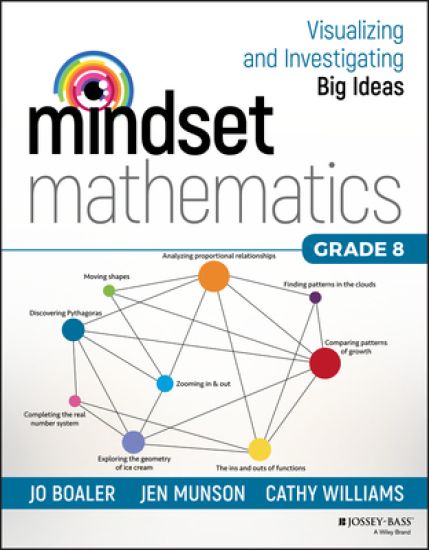
Mindset Mathematics: Visualizing and Investigating Big Ideas, Grade 8
Jo Boaler; Jen Munson; Cathy Williams
Jossey-Bass Inc.,U.S.
2020
nidottu
Engage students in mathematics using growth mindset techniques The most challenging parts of teaching mathematics are engaging students and helping them understand the connections between mathematics concepts. In this volume, you'll find a collection of low floor, high ceiling tasks that will help you do just that, by looking at the big ideas at the eighth-grade level through visualization, play, and investigation. During their work with tens of thousands of teachers, authors Jo Boaler, Jen Munson, and Cathy Williams heard the same message—that they want to incorporate more brain science into their math instruction, but they need guidance in the techniques that work best to get across the concepts they needed to teach. So the authors designed Mindset Mathematics around the principle of active student engagement, with tasks that reflect the latest brain science on learning. Open, creative, and visual math tasks have been shown to improve student test scores, and more importantly change their relationship with mathematics and start believing in their own potential. The tasks in Mindset Mathematics reflect the lessons from brain science that: There is no such thing as a math person - anyone can learn mathematics to high levels.Mistakes, struggle and challenge are the most important times for brain growth.Speed is unimportant in mathematics.Mathematics is a visual and beautiful subject, and our brains want to think visually about mathematics. With engaging questions, open-ended tasks, and four-color visuals that will help kids get excited about mathematics, Mindset Mathematics is organized around nine big ideas which emphasize the connections within the Common Core State Standards (CCSS) and can be used with any current curriculum.
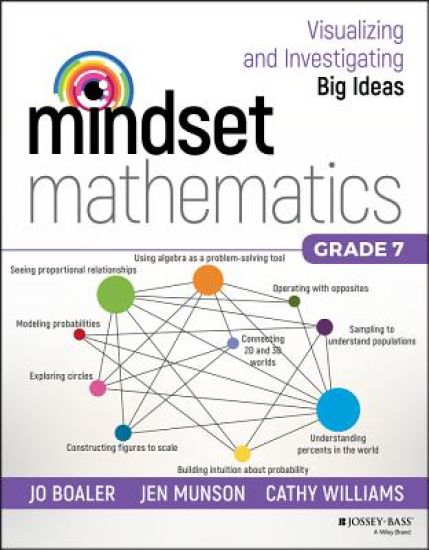
Mindset Mathematics: Visualizing and Investigating Big Ideas, Grade 7
Jo Boaler; Jen Munson; Cathy Williams
Jossey-Bass Inc.,U.S.
2019
nidottu
Engage students in mathematics using growth mindset techniques The most challenging parts of teaching mathematics are engaging students and helping them understand the connections between mathematics concepts. In this volume, you'll find a collection of low floor, high ceiling tasks that will help you do just that, by looking at the big ideas at the seventh-grade level through visualization, play, and investigation. During their work with tens of thousands of teachers, authors Jo Boaler, Jen Munson, and Cathy Williams heard the same message—that they want to incorporate more brain science into their math instruction, but they need guidance in the techniques that work best to get across the concepts they needed to teach. So the authors designed Mindset Mathematics around the principle of active student engagement, with tasks that reflect the latest brain science on learning. Open, creative, and visual math tasks have been shown to improve student test scores, and more importantly change their relationship with mathematics and start believing in their own potential. The tasks in Mindset Mathematics reflect the lessons from brain science that: There is no such thing as a math person - anyone can learn mathematics to high levels.Mistakes, struggle and challenge are the most important times for brain growth.Speed is unimportant in mathematics.Mathematics is a visual and beautiful subject, and our brains want to think visually about mathematics. With engaging questions, open-ended tasks, and four-color visuals that will help kids get excited about mathematics, Mindset Mathematics is organized around nine big ideas which emphasize the connections within the Common Core State Standards (CCSS) and can be used with any current curriculum.
When we learn, we change what we believe and how we interact with the world. This changes who we are as people and what we can achieve. Many people grow up being told they are ‘not a maths person’ or perhaps ‘not smart’. They come to believe their potential is limited. Now, however, the latest science has revealed that our identities are constantly in flux; when we learn new things, we can change our identities, increase our potential and broaden our capacity to receive new information. Drawing from the latest research, Professor Boaler followed thousands of school students, studied their learning practices and examined the most effective ways to transform pupils from low to high achievers. Throughout her study, Boaler has collaborated with Stanford University neuroscience experts, harnessing their expertise to reinforce her advanced understanding of learning and educational development. In Limitless Mind, Boaler presents original groundbreaking research that proves that limiting beliefs really do hold us back from fulfilling our potential and that with a few careful life hacks we can transform our potential for good.
"Boaler is one of those rare and remarkable educators who not only know the secret of great teaching but also know how to give that gift to others." -- CAROL DWECK, author of Mindset"Jo Boaler is one of the most creative and innovative educators today. Limitless Mind marries cutting-edge brain science with her experience in the classroom, not only proving that each of us has limitless potential but offering strategies for how we can achieve it." -- LAURENE POWELL JOBS"A courageous freethinker with fresh ideas on learning." -- BOOKLISTIn this revolutionary book, a professor of education at Stanford University and acclaimed math educator who has spent decades studying the impact of beliefs and bias on education, reveals the six keys to unlocking learning potential, based on the latest scientific findings.From the moment we enter school as children, we are made to feel as if our brains are fixed entities, capable of learning certain things and not others, influenced exclusively by genetics. This notion follows us into adulthood, where we tend to simply accept these established beliefs about our skillsets (i.e. that we don't have "a math brain" or that we aren't "the creative type"). These damaging--and as new science has revealed, false--assumptions have influenced all of us at some time, affecting our confidence and willingness to try new things and limiting our choices, and, ultimately, our futures. Stanford University professor, bestselling author, and acclaimed educator Jo Boaler has spent decades studying the impact of beliefs and bias on education. In Limitless Mind, she explodes these myths and reveals the six keys to unlocking our boundless learning potential. Her research proves that those who achieve at the highest levels do not do so because of a genetic inclination toward any one skill but because of the keys that she reveals in the book. Our brains are not "fixed," but entirely capable of change, growth, adaptability, and rewiring. Want to be fluent in mathematics? Learn a foreign language? Play the guitar? Write a book? The truth is not only that anyone at any age can learn anything, but the act of learning itself fundamentally changes who we are, and as Boaler argues so elegantly in the pages of this book, what we go on to achieve.

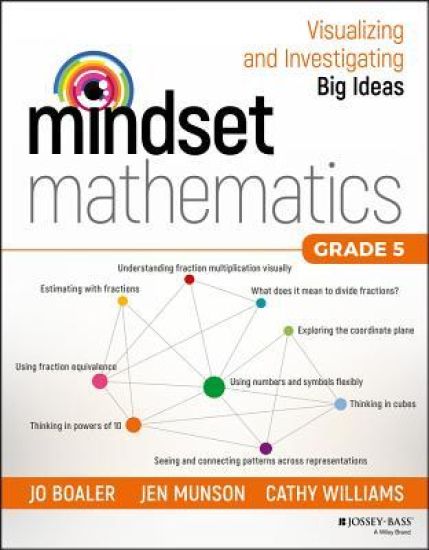
Engage students in mathematics using growth mindset techniques The most challenging parts of teaching mathematics are engaging students and helping them understand the connections between mathematics concepts. In this volume, you'll find a collection of low floor, high ceiling tasks that will help you do just that, by looking at the big ideas at the fifth-grade level through visualization, play, and investigation. During their work with tens of thousands of teachers, authors Jo Boaler, Jen Munson, and Cathy Williams heard the same message—that they want to incorporate more brain science into their math instruction, but they need guidance in the techniques that work best to get across the concepts they needed to teach. So the authors designed Mindset Mathematics around the principle of active student engagement, with tasks that reflect the latest brain science on learning. Open, creative, and visual mathematics tasks have been shown to improve student test scores, and more importantly change their relationship with mathematics and start believing in their own potential. The tasks in Mindset Mathematics reflect the lessons from brain science that: There is no such thing as a math person - anyone can learn mathematics to high levels.Mistakes, struggle and challenge are the most important times for brain growth.Speed is unimportant in mathematics.Mathematics is a visual and beautiful subject, and our brains want to think visually about mathematics. With engaging questions, open-ended tasks, and four-color visuals that will help kids get excited about mathematics, Mindset Mathematics is organized around nine big ideas which emphasize the connections within the Common Core State Standards (CCSS) and can be used with any current curriculum.
Engage students in mathematics using growth mindset techniques The most challenging parts of teaching mathematics are engaging students and helping them understand the connections between mathematics concepts. In this volume, you'll find a collection of low floor, high ceiling tasks that will help you do just that, by looking at the big ideas at the first-grade level through visualization, play, and investigation. During their work with tens of thousands of teachers, authors Jo Boaler, Jen Munson, and Cathy Williams heard the same message—that they want to incorporate more brain science into their math instruction, but they need guidance in the techniques that work best to get across the concepts they needed to teach. So the authors designed Mindset Mathematics around the principle of active student engagement, with tasks that reflect the latest brain science on learning. Open, creative, and visual math tasks have been shown to improve student test scores, and more importantly change their relationship with mathematics and start believing in their own potential. The tasks in Mindset Mathematics reflect the lessons from brain science that: There is no such thing as a math person - anyone can learn mathematics to high levels.Mistakes, struggle and challenge are the most important times for brain growth.Speed is unimportant in mathematics.Mathematics is a visual and beautiful subject, and our brains want to think visually about mathematics. With engaging questions, open-ended tasks, and four-color visuals that will help kids get excited about mathematics, Mindset Mathematics is organized around nine big ideas which emphasize the connections within the Common Core State Standards (CCSS) and can be used with any current curriculum.
Mindset Mathematics: Visualizing and Investigating Big Ideas, Grade 6
Jo Boaler; Jen Munson; Cathy Williams
Jossey-Bass Inc.,U.S.
2019
nidottu
Engage students in mathematics using growth mindset techniques The most challenging parts of teaching mathematics are engaging students and helping them understand the connections between mathematics concepts. In this volume, you'll find a collection of low floor, high ceiling tasks that will help you do just that, by looking at the big ideas at the sixth-grade level through visualization, play, and investigation. During their work with tens of thousands of teachers, authors Jo Boaler, Jen Munson, and Cathy Williams heard the same message—that they want to incorporate more brain science into their math instruction, but they need guidance in the techniques that work best to get across the concepts they needed to teach. So the authors designed Mindset Mathematics around the principle of active student engagement, with tasks that reflect the latest brain science on learning. Open, creative, and visual math tasks have been shown to improve student test scores, and more importantly change their relationship with mathematics and start believing in their own potential. The tasks in Mindset Mathematics reflect the lessons from brain science that: There is no such thing as a math person - anyone can learn mathematics to high levels.Mistakes, struggle and challenge are the most important times for brain growth.Speed is unimportant in mathematics.Mathematics is a visual and beautiful subject, and our brains want to think visually about mathematics. With engaging questions, open-ended tasks, and four-color visuals that will help kids get excited about mathematics, Mindset Mathematics is organized around nine big ideas which emphasize the connections within the Common Core State Standards (CCSS) and can be used with any current curriculum.