Kirjojen hintavertailu. Mukana 12 390 323 kirjaa ja 12 kauppaa.

Kirjailija

Joachim Meyer

Kirjat ja teokset yhdessä paikassa: 14 kirjaa, julkaisuja vuosilta 2010-2026, suosituimpien joukossa Rørbye og Bindesbøll. Vertaile teosten hintoja ja tarkista saatavuus suomalaisista kirjakaupoista.

14 kirjaa

Kirjojen julkaisuhaarukka 2010-2026.

Rørbye og Bindesbøll

Rørbye og Bindesbøll

Peter Thule Kristensen; Mogens Pelt; Jesper Svenningsen; Jakob Skovgaard-Petersen; Joachim Meyer; Annette Lindbøg Karlsen

-
2026
sidottu
I vinteren 1835-1836 rejste maleren Martinus Rørbye og arkitekten Gottlieb Bindesbøll til Konstantinopel, det nuværende Istanbul. På dette tidspunkt var byen endnu ikke et populært rejsemål for europæiske kunstnere, og rejsen blev derfor enestående i dansk kunsthistorie. Bogen kaster lys over rejsen i en tid i forandring og undersøger både mødet med den osmanniske verden og den betydning, rejsen fik for Rørbyes og Bindesbølls kunstneriske virke. Det er fortællingen om to pionerer, der drog mod det ukendte – og som vendte hjem med tegninger, der i dag er unikke vidnesbyrd om Konstantinopel.
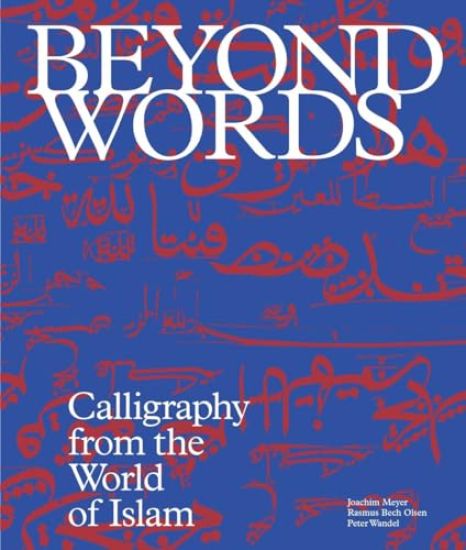
Beyond Words

Beyond Words

Joachim Meyer; Peter Wandel; Rasmus Olsen

Strandberg Publishing
2024
sidottu
Calligraphy means ‘the art of writing beautifully’. Driven by its use in the Koran, artfully executed Arabic script became a key religious and political marker at a very early stage; since then calligraphy has played a central role in the Islamic world.In addition to appearing on paper, artful writing can be found on everything, from coins, weapons, dishes, lamps and textiles to the façades and interiors of buildings. The many types of texts offer rich and varied insights into Islamic art, culture and societies.Beyond Words presents 128 objects featuring calligraphy, most notably from The David Collection. In addition, the book contains articles on such subjects as the Arabic alphabet, classical scripts, the calligraphers and the different types of texts. The publication also explores the use of Arabic lettering in earlier European art and in modern-day Arabic graffiti.
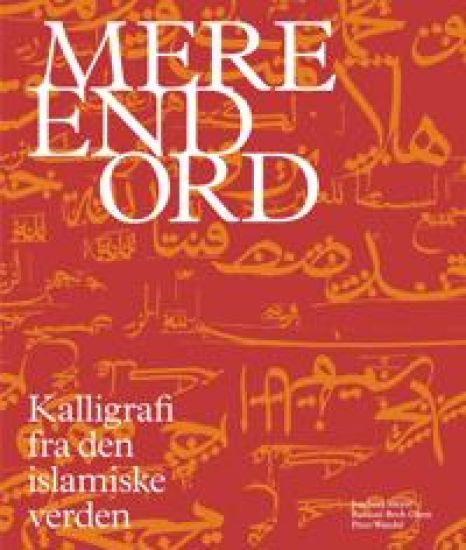
Mere end ord

Mere end ord

Joachim Meyer; Peter Wandel; Rasmus Olsen

-
2024
sidottu
Kalligrafi betyder ”kunsten at skrive smukt”. Med udgangspunkt i Koranen blev kunstfærdig arabisk skrift allerede tidligt en central religiøs og politisk markør, og siden da har kalligrafi spillet en central rolle i den islamiske verden.Ud over på papir optræder kunstfærdig skrift på alt fra mønter, våben, fade, lamper og tekstiler til bygningers facader og deres indre. Der er tale om mange typer tekster, der på forskellig vis fortæller om kunst og kultur og de islamiske samfund.I Mere end ord præsenteres 128 genstande med kalligrafi, især fra Davids Samling. Derudover rummer bogen baggrundsartikler om bl.a. det arabiske alfabet og de klassiske skriftarter, om kalligraferne og om de forskellige typer tekster. Der sættes også fokus på brugen af arabisk skrift i tidligere tiders europæiske kunst og på moderne, arabisk graffiti.
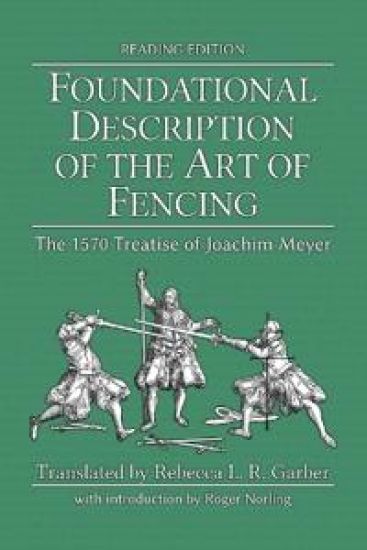
Foundational Description of the Art of Fencing

Foundational Description of the Art of Fencing

Joachim Meyer; Rebecca L R Garber; Michael Chidester

Hema Bookshelf
2023
nidottu
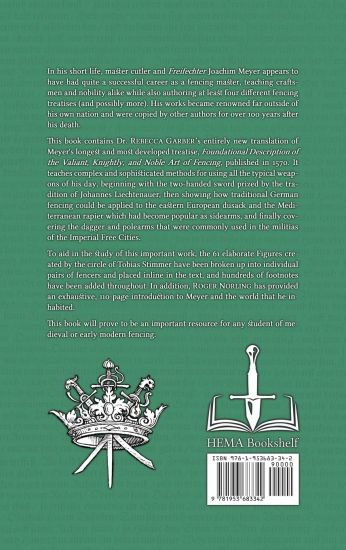
In his short life, master cutler and Freifechter Joachim Meyer appears to have had quite a successful career as a fencing master, teaching craftsmen and nobility alike while also authoring at least four different fencing treatises (and possibly more). His works became renowned far outside of his own nation and were copied by other authors for over 100 years after his death.This book contains Dr. Rebecca Garber's entirely new translation of Meyer's longest and most developed treatise, Foundational Description of the Valiant, Knightly, and Noble Art of Fencing, published in 1570. It teaches complex and sophisticated methods for using all the typical weapons of his day, beginning with the two-handed sword prized by the tradition of Johannes Liechtenauer, then showing how traditional German fencing could be applied to the eastern European dusack and the Mediterranean rapier which had become popular as sidearms, and finally covering the dagger and polearms that were commonly used in the militias of the Imperial Free Cities.To aid in the study of this important work, the 61 elaborate Figures created by the circle of Tobias Stimmer have been broken up into individual pairs of fencers and placed inline in the text, and hundreds of footnotes have been added throughout. In addition, Roger Norling has provided an exhaustive, 110-page introduction to Meyer and the world that he inhabited.This book will prove to be an important resource for any student of medieval or early modern fencing.
Foundational Description of the Art of Fencing
In his short life, master cutler and Freifechter Joachim Meyer appears to have had quite a successful career as a fencing master, teaching craftsmen and nobility alike while also authoring at least four different fencing treatises (and possibly more). His works became renowned far outside of his own nation and were copied by other authors for over 100 years after his death.This book contains Dr. Rebecca Garber's entirely new translation of Meyer's longest and most developed treatise, Foundational Description of the Valiant, Knightly, and Noble Art of Fencing, published in 1570. It teaches complex and sophisticated methods for using all the typical weapons of his day, beginning with the two-handed sword prized by the tradition of Johannes Liechtenauer, then showing how traditional German fencing could be applied to the eastern European dusack and the Mediterranean rapier which had become popular as sidearms, and finally covering the dagger and polearms that were commonly used in the militias of the Imperial Free Cities.To aid in the study of this important work, the 61 elaborate Figures created by the circle of Tobias Stimmer have been broken up into individual pairs of fencers and placed inline in the text, and hundreds of footnotes have been added throughout. In addition, Roger Norling has provided an exhaustive, 110-page introduction to Meyer and the world that he inhabited.This book will prove to be an important resource for any student of medieval or early modern fencing.
Joachim Meyerin yhden käden miekka

Joachim Meyerin yhden käden miekka

Joachim Meyer

Niko Sammalisto
2022
nidottu
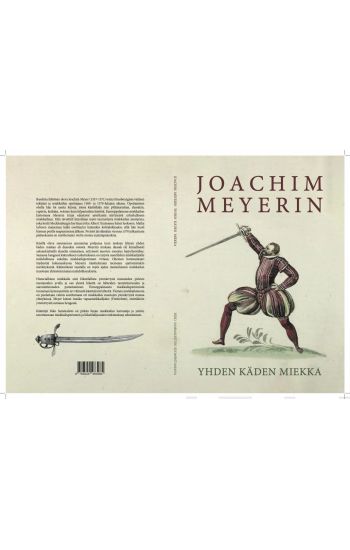
Baselista lähtöisin oleva Joachim Meyer (1537-1571) toimi Strasbourgissa veitsien tekijänä ja miekkailun opettajana 1560 luvulla. Opettamisen ohella hän loi useita kirjoja, joissa käsitellään niin pitkänmiekan, dussakin, rapiirin, keihään, veitsien kuin hilparienkin käyttöä. Eurooppalaisessa miekkailun historiassa Meyerin kirjat edustavat asteittaista siirtymistä urheilulliseen miekkailuun. Hän tavoitteli kirjoillaan myös tunnustusta miekkailun mestarina, joka koitti Mecklenburgin herttuan John Albert I kutsuessa hänet luokseen. Matka talvisen maiseman halki osoittautui kuitenkin kohtalokkaaksi, sillä hän kuoli hieman perille saapumisensa jälkeen. Perintö jäi elämään: vuonna 1570 julkaistusta pääteoksesta on myöhemmin otettu monia uusintapainoksia. Käsillä oleva suomennos ammentaa pohjansa tuon teoksen lyhyen yhden käden miekan eli dussakin osiosta. Meyerin mukaan dussak oli leimallisesti saksankielisen alueelle ominainen erityisesti nuorten suosima harjoitusväline.
Kamp, jagt og pragt

Kamp, jagt og pragt

Kjeld von Folsach; Joachim Meyer; Peter Wandel

-
2021
sidottu
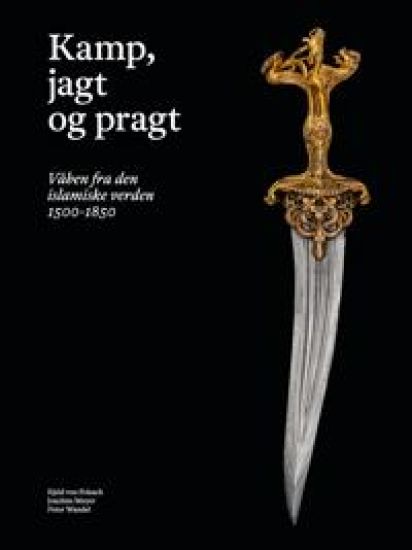
Har våben fra den islamiske verden særlige karakteristika? Med udgangspunkt i utallige genstande fra danske samlinger diskuteres centrale aspekter vedrørende islamiske våben og rustninger: De forskellige typer og ikke mindst de forskellige sammenhænge, hvori de blev brugt i krigsførelse, i jagt og som statussymboler. Andre forhold, der behandles, er den rolle, våben og rustninger spiller i koranen og haditherne, deres historiske overgang fra trofæer til museumsobjekter, deres inskriptioner og den historiske Furusiyya-litteratur – de fundamentale manualer til praktisk uddannelse og moralsk dannelse for datidens ædle, islamiske krigere. Indeholder også 150 katalogtekster, primært om forskellige typer af våben og rustninger fra det Osmanniske Rige, Safavidriget og Mogulriget. Derudover præsenteres en række miniaturemalerier, der illustrerer, hvordan våben og rustninger blev brugt i deres historiske sammenhænge.
Art of Combat

Art of Combat

Joachim Meyer

PenSword Books Ltd
2021
pokkari
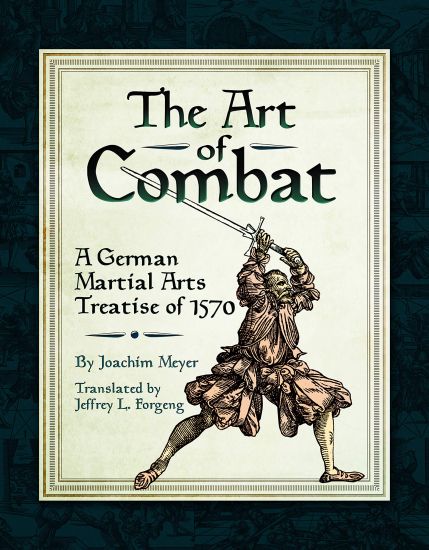
First published in 1570, Joachim Meyer's The Art of Combat is among the most important texts in the rich corpus of German martial arts treatises of the Middle Ages and Renaissance.
Menneskefiguren i islamisk kunst

Menneskefiguren i islamisk kunst

Kjeld von Folsach; Joachim Meyer; Jakob Skovgaard-Petersen

-
2017
sidottu
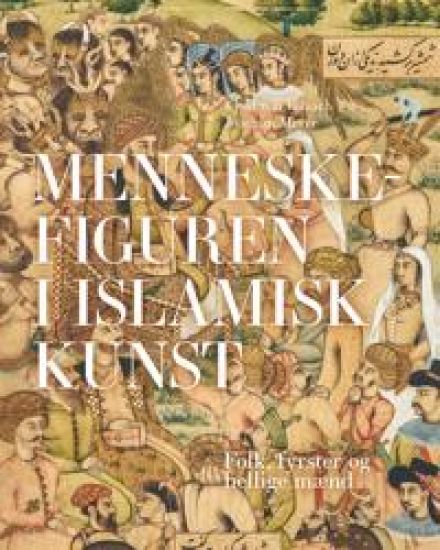
Bogen bag den kommende udstilling på Davids Samling, (24. november 2017 til 13. maj 2018) sætter fokus på et sjældent belyst emne inden for den islamiske kunst og viser 75 internationalt berømte hovedværker fra Davids Samling. På trods af islams modstand mod afbildning af mennesker har menneskefiguren altid spillet en vigtig rolle, og især inden for miniaturemaleriet har motivet en lang og rig tradition. Malerierne skildrer i høj grad fyrster, men også hellige mænd og almindelige mennesker, både i form af illustrationer til fiktive fortællinger, skildringer af virkelige begivenheder og egentlige portrætter. Bogens forfattere er museumsdirektør Kjeld von Folsach og museumsinspektør Joachim Meyer fra Davids Samling. Efter indledende artikler om menneskefiguren i islamisk kunst, dens former og udtryk gennem tiden følger katalogdelen, hvor menneskefiguren relateres til emner som Ornamentik, figur og symbol, Bogillustrationer, Den religiøse sfære, Fyrsten og hoffet, Kærlighed, Kvinder, Hverdagsliv og De fremmede. Hver sektion indledes af et essay, og de 75 kunstværker diskuteres udførligt i katalogteksterne.
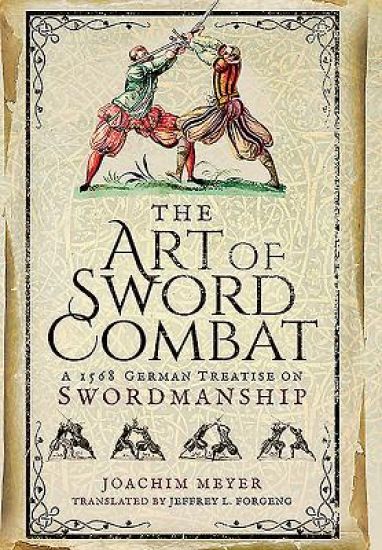
Art of Sword Combat: 1568 German Treatise on Swordmanship
Following the success of Jeffrey L. Forgeng's translation of Joachim Meyer's The Art of Sword Combat the author was alerted to an earlier recension of the work which was discovered in Lund University Library in Sweden. The manuscript, produced in Strassburg around 1568, is illustrated with thirty watercolour images and seven ink diagrams. The text covers combat with the longsword (hand-and-a-half sword), dusack (a one-handed practice weapon comparable to a sabre), and rapier. The manuscript's theoretical discussion of guards is one of the most critical passages to understanding this key feature of the historical practice, not just in relation to Meyer but in relation to the medieval combat systems in general. The manuscript offers an extensive repertoire of training drills for both the dusack and the rapier, a feature largely lacking in treatises of the period as a whole but critical to modern reconstructions of the practice. The translation also includes a biography of Meyer, much of which has only recently come to light, as well as technical terminology, and other essential information for understanding and contextualizing the work.