Kirjailija
Joan L. Brown
Kirjat ja teokset yhdessä paikassa: 11 kirjaa, julkaisuja vuosilta 2000-2021, suosituimpien joukossa Jr.. Vertaile teosten hintoja ja tarkista saatavuus suomalaisista kirjakaupoista.
Mukana myös kirjoitusasut: Joan L Brown
11 kirjaa
Kirjojen julkaisuhaarukka 2000-2021.
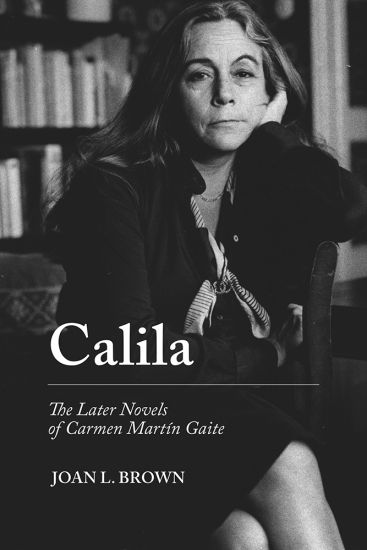
Calila: The Later Novels of Carmen Martín Gaite explores the last six novels by Spain´s most honored contemporary woman writer. Its scholarship is enriched by the voice of Calila herself—as Brown called Martín Gaite, who was a dear friend—as they conversed and exchanged letters during the composition of the novels. The book opens with an introduction to Martín Gaite´s life and literature and ends with a consideration of her legacy. Each central chapter analyzes a later novel in its historical, biographical, and critical contexts. From the young adult fantasy Caperucita en Manhattan (Red Riding Hood in Manhattan) to the post-Transition epistolary masterpiece Nubosidad variable (Variable Cloud), the Transition-era saga La Reina de las Nieves (The Farewell Angel), the Proustian reminiscence Lo raro es vivir (Living’s the Strange Thing), the narrative tapestry Irse de casa (Leaving Home), and the memoir of family secrets Los parentescos (Family Relations), these fascinating novels evoke themes that resonate today.
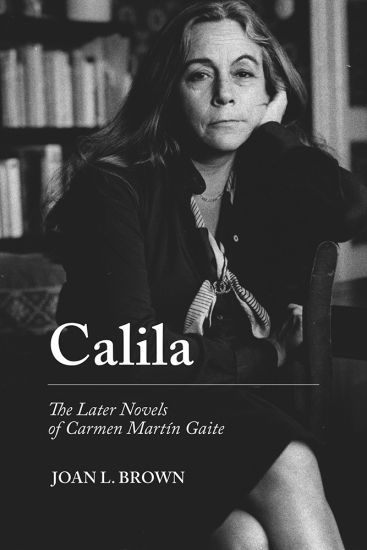
Calila: The Later Novels of Carmen Martín Gaite explores the last six novels by Spain´s most honored contemporary woman writer. Its scholarship is enriched by the voice of Calila herself—as Brown called Martín Gaite, who was a dear friend—as they conversed and exchanged letters during the composition of the novels. The book opens with an introduction to Martín Gaite´s life and literature and ends with a consideration of her legacy. Each central chapter analyzes a later novel in its historical, biographical, and critical contexts. From the young adult fantasy Caperucita en Manhattan (Red Riding Hood in Manhattan) to the post-Transition epistolary masterpiece Nubosidad variable (Variable Cloud), the Transition-era saga La Reina de las Nieves (The Farewell Angel), the Proustian reminiscence Lo raro es vivir (Living’s the Strange Thing), the narrative tapestry Irse de casa (Leaving Home), and the memoir of family secrets Los parentescos (Family Relations), these fascinating novels evoke themes that resonate today.
What is a canon and why does it matter? In Confronting Our Canons: Spanish and Latin American Studies in the 21st Century, Joan L. Brown shows that a canon has the power to define a field and determine what is taught. She argues that it is both productive and necessary to confront our canons, to see what is actually in them and how these works and authors got there. Only then can educators take charge of their teaching canons and, by extension, their disciplines. Brown demonstrates that there is little agreement in the reported teaching canons in English and Spanish. Analyzing twentieth- and twenty-first-century required graduate reading lists in Spanish and Latin American literature in the United States, she finds that the core literary canon for graduate students is less comprehensive than the Spanish Advanced Placement reading list for high school students. She encourages the field of Hispanic studies—curators of the cultural patrimony of our country's second language—to take the lead in developing a diverse, flexible, shared foundational canon at the graduate level, before the arbiters of "best practices" do this for us.
What is a canon and why does it matter? In Confronting Our Canons: Spanish and Latin American Studies in the 21st Century, Joan L. Brown shows that a canon has the power to define a field and determine what is taught. She argues that it is both productive and necessary to confront our canons, to see what is actually in them and how these works and authors got there. Only then can educators take charge of their teaching canons and, by extension, their disciplines. Brown demonstrates that there is little agreement in the reported teaching canons in English and Spanish. Analyzing twentieth- and twenty-first-century required graduate reading lists in Spanish and Latin American literature in the United States, she finds that the core literary canon for graduate students is less comprehensive than the Spanish Advanced Placement reading list for high school students. She encourages the field of Hispanic studies—curators of the cultural patrimony of our country's second language—to take the lead in developing a diverse, flexible, shared foundational canon at the graduate level, before the arbiters of "best practices" do this for us.