Kirjojen hintavertailu. Mukana 12 390 323 kirjaa ja 12 kauppaa.

Kirjailija

Joan Metge

Kirjat ja teokset yhdessä paikassa: 5 kirjaa, julkaisuja vuosilta 1964-2022, suosituimpien joukossa Tauira. Vertaile teosten hintoja ja tarkista saatavuus suomalaisista kirjakaupoista.

5 kirjaa

Kirjojen julkaisuhaarukka 1964-2022.

A New Maori Migration

A New Maori Migration

Joan Metge

TAYLOR FRANCIS LTD
2022
nidottu
Until 1939 the Maori people remained an almost wholly rural community, but during and after the second world war increasing numbers of them migrated in search of work to the cities, and urban groups of Maori were established. This development has significantly affected relationships, both between Maori and Europeans, and within the Maori people as a whole. The importance of Dr Metge's book lies in its presentation of a carefully documentd comparative study of two Maori communities, one in a traditional rural area and the other in Aukland, New Zealand's largest industrial centre. Housing and domestic organization, marriage patterns, kinship structure, voluntary associations and leadership in both types of community are discussed. The author's survey and conclusions make a valuable practical contribution to Maori social studies, and also have a bearing on the world-wide problem of the urbanisation of cultural minorities.
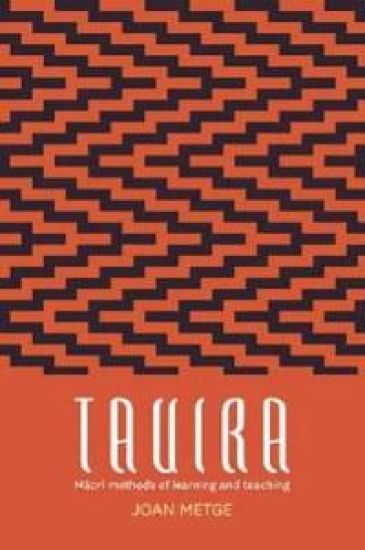
Tauira

Tauira

Joan Metge

Auckland University Press
2015
nidottu
Based on extensive interviews with 21 individuals, this book allows us to listen to M?ori from Northland recall the mid-20th century rural world in which they grew up. Metge's work tackles important questions about M?ori teaching and learning: What was the role of whanau and hapu, household and marae, kaumatua and siblings, work and play in learning? How much learning was practical and how much by teaching? Metge shows that M?ori ways of learning flourished alongside the school system in rural Northland and that those educational practices had a particular form and philosophy. M?ori focused on learning by doing, teaching in context, learning in a group, memorising, and advancement when ready. M?ori of rural Northland imparted cultural knowledge as well as practical skills through daily life and storytelling, in whanau and community activities. Under achievement of M?ori children in state schools is often attributed to deficiencies in the children's home environment. Joan Metge presents a different view. She introduces readers to M?ori methods of teaching and learning that are rich in lessons for us all.
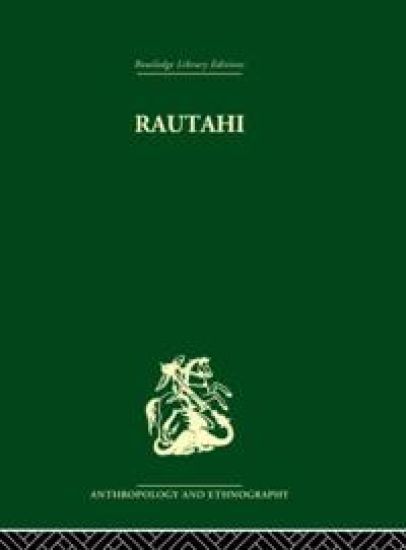
Rautahi: The Maoris of New Zealand
A comprehensive study of the Maori in New Zealand, this book covers Maori history and culture, language and art and includes chapters on the following: · Basic concepts in Maori culture · Land · Kinship · Education · Association · Leadership & social control · The Marae · Hui · Maori and Pakeha · Maori spelling and pronunciation There is an extensive glossary, bibliography and index. First published in 1967. This edition reprints the revised edition of 1976.
Rautahi: The Maoris of New Zealand
A comprehensive study of the Maori in New Zealand, this book covers Maori history and culture, language and art and includes chapters on the following: · Basic concepts in Maori culture · Land · Kinship · Education · Association · Leadership & social control · The Marae · Hui · Maori and Pakeha · Maori spelling and pronunciation There is an extensive glossary, bibliography and index. First published in 1967. This edition reprints the revised edition of 1976.
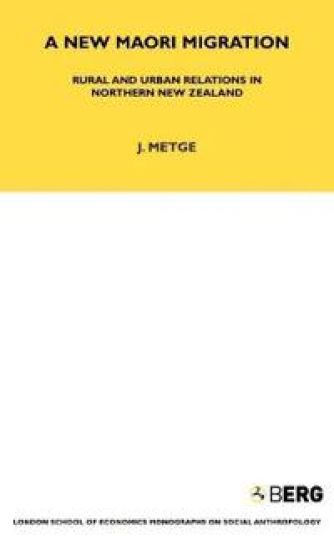
A New Maori Migration

A New Maori Migration

Joan Metge

Berg Publishers
1964
sidottu
Until 1939 the Maori people remained an almost wholly rural community, but during and after the second world war increasing numbers of them migrated in search of work to the cities, and urban groups of Maori were established. This development has significantly affected relationships, both between Maori and Europeans, and within the Maori people as a whole. The importance of Dr Metge's book lies in its presentation of a carefully documentd comparative study of two Maori communities, one in a traditional rural area and the other in Aukland, New Zealand's largest industrial centre. Housing and domestic organization, marriage patterns, kinship structure, voluntary associations and leadership in both types of community are discussed. The author's survey and conclusions make a valuable practical contribution to Maori social studies, and also have a bearing on the world-wide problem of the urbanisation of cultural minorities.