Kirjojen hintavertailu. Mukana 12 657 676 kirjaa ja 12 kauppaa.

Kirjailija

Joan P. Alcock

Kirjat ja teokset yhdessä paikassa: 14 kirjaa, julkaisuja vuosilta 2001-2014, suosituimpien joukossa Congleton Through Time. Vertaile teosten hintoja ja tarkista saatavuus suomalaisista kirjakaupoista.

14 kirjaa

Kirjojen julkaisuhaarukka 2001-2014.

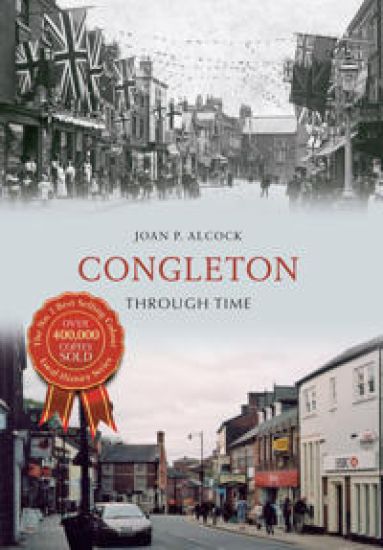
Congleton Through Time

Congleton Through Time

Joan P. Alcock

Amberley Publishing
2014
nidottu
Congleton is an ancient borough whose history goes back to Neolithic times. Its historical record dates from Domesday Book when Bigot, a Norman lord, took over the land from a Saxon, Godwine. The town development began when Henry de Lacy, Earl of Lincoln, granted Congleton its first charter in 1272. In 1972, the town celebrated its 700th anniversary with numerous events held throughout the year - a year never to be forgotten. Changes in the twentieth century resulted in mills being converted into flats and offices, so some of the past still survives. The town has expanded with housing estates on the outskirts of the town. The photographs in this book record events and changes over the years and will provide not only nostalgic memories to those who remember Congleton's past but also give newcomers an insight into why Congletonians value their town and its history.
Life in Ancient Rome

Life in Ancient Rome

Joan P. Alcock

The History Press Ltd
2010
nidottu
Ancient Rome, as a subject, has always attracted and fascinated people. The extent of its vast empire, much of it a result of its efficient military power, was such that many Romans believed that they governed the whole world, as it was then known, and that its was their right and destiny to do this. That empire has influenced later civilisations and its classical tradition can be seen in our own day in such diverse areas as language, customs, architecture and modes of thought. Visitors to Rome, throughout the centuries, have marvelled at its monuments and speculated on the lives of its people.This book, concentrating on life in the city of Rome in the late republic and the empire, also takes examples from Rome’s provinces. Readers will have the opportunity to gain knowledge of people through Rome’s government, administration, economy and trade. They can contemplate how ordinary Romans lived their daily lives – how they worshipped, travelled, fed themselves, entertained and were entertained. It cannot be denied that Roman society could be a cruel one especially to those who opposed it or lived on its fringes, but it tried to establish a just and reasonable form of government for the whole of its empire. Much of the evidence comes from the writings of those who lived in that society, one in which they were proud and honoured to be a citizen of Rome.
Daily Life of the Pagan Celts

Daily Life of the Pagan Celts

Joan P. Alcock

Greenwood World Publishing
2009
sidottu
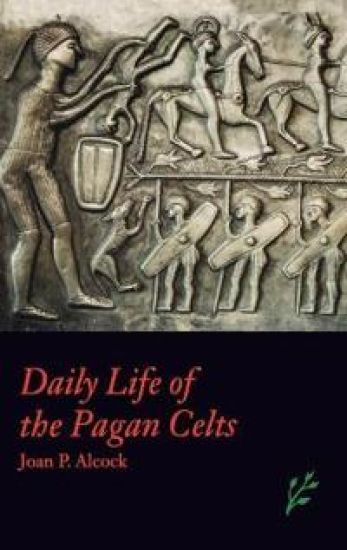
This publication reveals that the Celts were not merely a collection of barbaric tribes but that their civilization compared favourably with those of other ancient civilizations. The detail of the book includes political and social groups, domestic and family life, social hierarchies, housing, food, clothing, religion, superstition, mythology and legend, poetry, warfare and warriors, crime and punishment, bog burials and the interaction of this society with Greek and Roman civilization. It will include extracts from Celtic literature and classical literature relating to the Celts. This publication reveals that the Celts were not merely a collection of barbaric tribes but that their civilization compared favourably with those of other ancient civilizations. The detail of the book includes political and social groups, domestic and family life, social hierarchies, housing, food, clothing, religion, superstition, mythology and legend, poetry, warfare and warriors, crime and punishment, bog burials and the interaction of this society with Greek and Roman civilization. It will include extracts from Celtic literature and classical literature relating to the Celts. The Celtic world covered Western Europe from Ireland to the southern Mediterranean and extending into Galatia (Asia Minor) during the Iron Age and the Roman Empire (between 600 BC and 200 AD). Drawing from a wide variety of sources, including the latest archaeological evidence, and Celtic and classical literature, this publication provides an accessible and up-to-date account of daily life in this Celtic world. With her extensive background in ancient history, Joan Alcock vividly brings to life the civilisation of the Celts, a world with complexities and nuanced variations like any of the other great ancient civilizations. The book details the structure of the Celtic world, its constituent territories and cultures and the interrelationships of these tribes and lands, the roles within each society, including warriors, farmers, craftsmen (who still influence fashions today), slaves, women and children. Detail is given of religion and superstition, feasts and festivals, burial practices, building types and materials, domestic life, family customs, marriage, the raising of children and more. The final chapter examines the decline of the Celts, and the survival and re-emergence of Celtic cultural traditions in the modern era.
Cheshire Inn Signs

Cheshire Inn Signs

Joan P. Alcock

The History Press Ltd
2008
nidottu
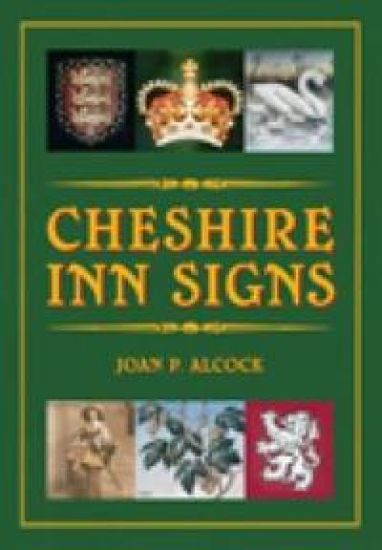
This book takes the reader on a tour of Cheshire's inns past and present, discovering the origins of their names and the stories behind the signs. Illustrated with more than ninety images and with a sixteen-page colour section, Cheshire Inn Signs lists the huge variety found around the county and offers a fascinating insight into the history of these highly crafted items. The 'pocket book' nature of this book makes it an ideal gift for anyone wanting to follow a historic trail of Cheshire’s inns, and will especially appeal to local history groups who organise such walks. It will delight all those interested in the story behind the signs.
Bread

Bread

John Marchant; Joan P. Alcock; Bryan Reuben

The History Press Ltd
2008
nidottu
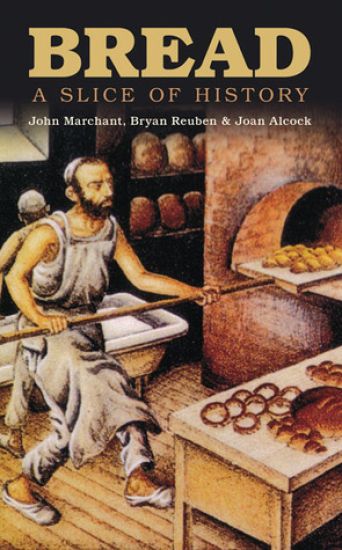
Throughout changing history and changing civilisations, bread's importance has been expressed in folklore, culture, religion and politics. Bread symbolises fertility, prosperity and protection against evil, and provides healing and consolation in times of hardship. It is also good to eat. The past 130 years, in particular, have seen dramatic changes in the way bread is made and in the patterns of consumption. Whether you like your bread white, sliced and wrapped or stone-ground and wholemeal or in the form of baguettes, bagels or brioche, this book will tell you how it evolved and the technological, social and economic changes that brought the various forms to your local baker or supermarket.
Congleton

Congleton

Joan P. Alcock

The History Press Ltd
2007
nidottu
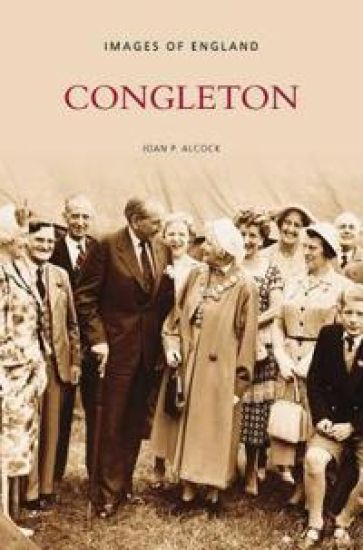
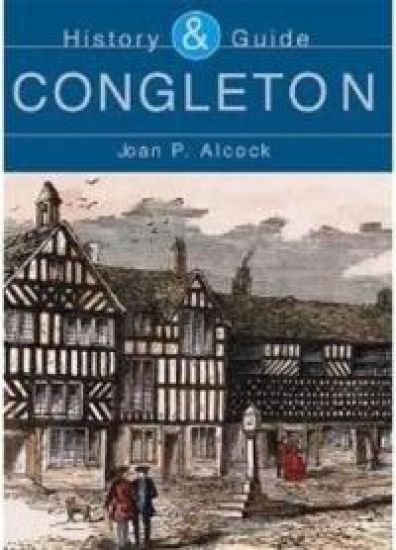
Presents a collection of more than 180 archive photographs tracing some of the many ways in which Congleton has changed and developed over the years. This book depicts various aspects of everyday life ranging from shops, businesses, churches and schools to work and leisure, day trips and days off.
London Inn Signs

London Inn Signs

Joan P. Alcock

The History Press Ltd
2007
nidottu
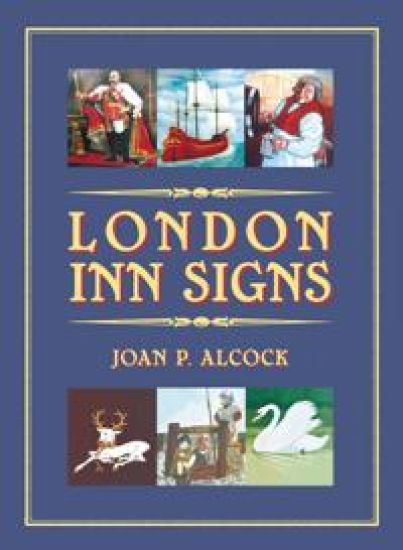
Illustrated with over 100 photographs, this work presents inn signs from notable historic inns in London and offers an insight into the stories behind the signs. It aims to discover the origins of the inn names. It is suitable for anyone wanting to follow a historic trail of London's inns, and to local history groups who organise such walks.
Life in Roman Britain

Life in Roman Britain

Joan P. Alcock

The History Press Ltd
2006
nidottu
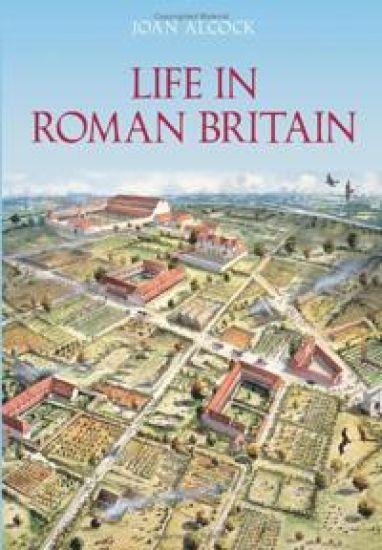
The authoritative and accessible look at life in Roman Britain begins with a brief overview of the province in its historical context. The book then concentrates on the social history of the 400 years of Roman occupation with thematically arranged chapters on fucisign on administration; life in the army; religion; recreation; housing; food and drink; personal lifestyle; and art and decoration. Drawing on both the latest archaeological evidence and testimony from classical writers. the author recreates the lifestyles of those who lived in this part of a once great empire. With over 100 illustrations of sites, artefacts and reconstructions, and a comprehensive further reading section, this book will appeal to anyone interested in the Roman Period in Britain.
Food in the Ancient World

Food in the Ancient World

Joan P. Alcock

Greenwood Press
2005
sidottu
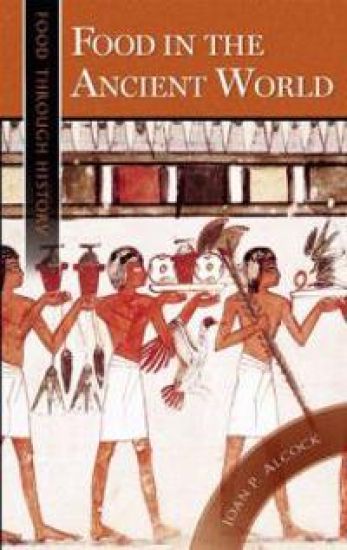
The ways of life of four great ancient civilizations— Egyptian, Greek, Roman, and Celtic—are illuminated here through their foodways. As these cultures moved toward settled agriculture, a time of experimentation and learning began. Cities emerged, and with them consumer societies that needed to be supplied. Food Culture in the Ancient World draws on writings of classical authors such as Petronius, Galen, and Cato, as well as on archeological findings, to present intimate insight into ancient peoples. This volume will be indispensable as it complements classical history, cultural, and literature studies at the high school and college levels and will also inform the general reader. The book begins with an overview of the civilizations and their agricultural practices and trade. A full discussion of available foodstuffs describes the discovery, emergence, usage, and appraisals of a host of ingredients. A subsequent chapter covers food by civilization. Chapters on food preparation, the food professions, and eating habits provide a fascinating look at the social structure, with slaves and women preparing and serving food. Accounts of the gatherings of slaves and freedmen in taverns, inns, and bars and the notorious banquet, symposium, feast, and convivium of the elite are particularly intriguing and crucial to understanding male society. Other aspects of ancient life brought to life for the reader include food for soldiers, food in religious and funerary practices, and concepts of diet and nutrition. Many Classical recipes are interspersed with the text, along with illustrations.
Sydenham and Forest Hill: History and Guide

Sydenham and Forest Hill: History and Guide

Joan P. Alcock

The History Press Ltd
2005
nidottu
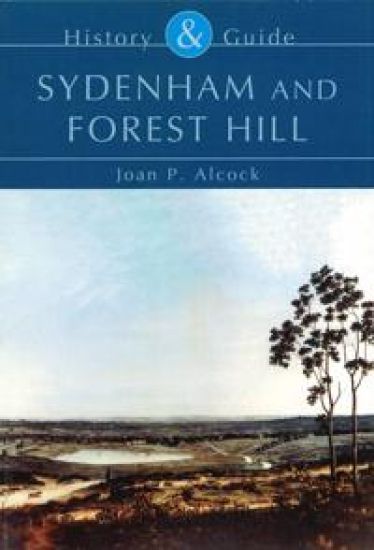
This intriguing volume describes the growth and development of Sydenham and Forest Hill from open common land in Kent to the sprawling suburb of Greater London that it is today. In the eighteenth century Sydenham achieved importance from the exploitation of natural springs discovered in the previous century, but it was the advent of the London and Croydon Railway in 1836 that saw the area come to prominence as a London suburb.This event, in conjunction with the erection of the Crystal Palace in 1852, saw both Sydenham and Forest Hill develop rapidly as commuter areas and as centres in their own right. Sydenham and Forest Hill: History & Guide is a well illustrated and readable introduction to the area's past that will appeal to residents and visitors alike. An important feature of the book is a series of walking tours, which reveal the history of the area in its existing streets and buildings.
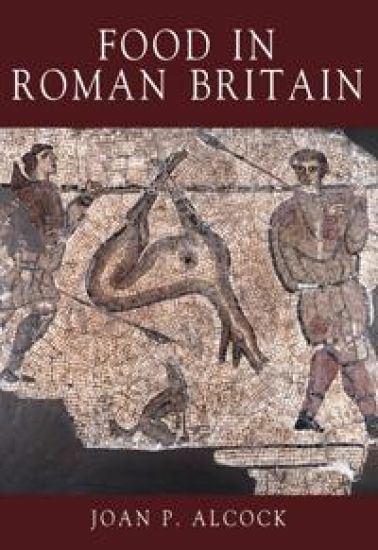
Food in Roman Britain

Food in Roman Britain

Joan P. Alcock

The History Press Ltd
2001
nidottu
Descriptions of food in Roman Britain are usually based on the cookery book of Apicius, as if the whole island dined on gourmet food. In contrast Joan Alcock draws on the archaeological evidence, as well as on Classical and Celtic literature, to discover the full range of native and imported foods needed for a growing urban populations as well as a large resident army. In addition to looking at the very varied food and drink available - from meat, fish and dairy products to vegetables, nuts and herbs - Dr Alcock examines the eating, cooking and dining habits of people who inhabited the province. Comparison is made with other parts of the Roman Empire and, where relevant, to modern food practices. Both civilian and military diets are discussed and the nutritional benefits (or otherwise) of these diets are assessed. Complete with almost 130 illustrations (many in full colour) this is a book which will be a revelation to anyone with an interest in Roman Britain - or, indeed, in the history of cooking.