Kirjojen hintavertailu. Mukana 12 595 353 kirjaa ja 12 kauppaa.

Kirjailija

Joanna Lewis

Kirjat ja teokset yhdessä paikassa: 8 kirjaa, julkaisuja vuosilta 1995-2021, suosituimpien joukossa Women of the Somali Diaspora. Vertaile teosten hintoja ja tarkista saatavuus suomalaisista kirjakaupoista.

8 kirjaa

Kirjojen julkaisuhaarukka 1995-2021.

Women of the Somali Diaspora: Refugees, Resilience and Rebuilding After Conflict
This book is about Somali mothers and daughters who came to Britain in the 1990s to escape civil war. Many had never left Somalia before, followed nomadic traditions, did not speak English, were bereaved and were suffering from PTSD. Their stories begin with war and genocide in the north, followed by harrowing journeys via refugee camps, then their arrival and survival in London. Joanna Lewis exposes how they rapidly recovered, mobilising their networks, social capital and professional skills. Crucial to the recovery of the now breakaway state of (former British) Somaliland, these women bore a huge burden, but inspired the next generation, with many today caught between London and a humanitarian impulse to return home. Lewis reveals three histories. Firstly, the women's personal history, helping us to understand resilience as an individual, lived historical process that is both positive and negative, and both inter- and intra-generational. Secondly, a collective history of refugees as rebuilders, offering insight into the dynamism of the Somali diaspora. Finally, the forgotten history and hidden legacies of Britain's colonial past, which have played a key role in shaping this dramatic, sometimes upsetting, but always inspiring story: the power of women to heal the scars of war.
Women of the Somali Diaspora

Women of the Somali Diaspora

Joanna Lewis

C Hurst Co Publishers Ltd
2021
nidottu
This book is about Somali mothers and daughters who came to Britain in the 1990s to escape civil war. Many had never left Somalia before, followed nomadic traditions, did not speak English, were bereaved and were suffering from PTSD. Their stories begin with war and genocide in the north, followed by harrowing journeys via refugee camps, then their arrival and survival in London. Joanna Lewis exposes how they rapidly recovered, mobilising their networks, social capital and professional skills. Crucial to the recovery of the now breakaway state of (former British) Somaliland, these women bore a huge burden, but inspired the next generation, with many today caught between London and a humanitarian impulse to return home. Lewis reveals three histories. Firstly, the women's personal history, helping us to understand resilience as an individual, lived historical process that is both positive and negative, and both inter- and intra-generational.Secondly, a collective history of refugees as rebuilders, offering insight into the dynamism of the Somali diaspora. Finally, the forgotten history and hidden legacies of Britain's colonial past, which have played a key role in shaping this dramatic, sometimes upsetting, but always inspiring story: the power of women to heal the scars of war.
Empire of Sentiment

Empire of Sentiment

Joanna Lewis

Cambridge University Press
2020
pokkari
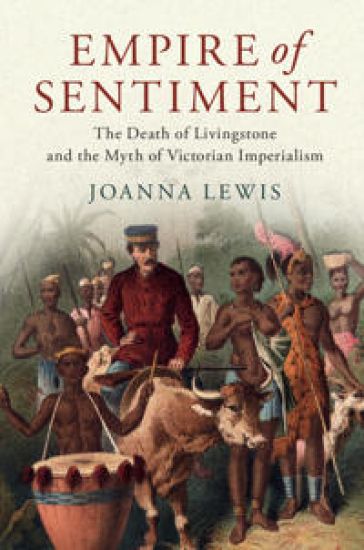
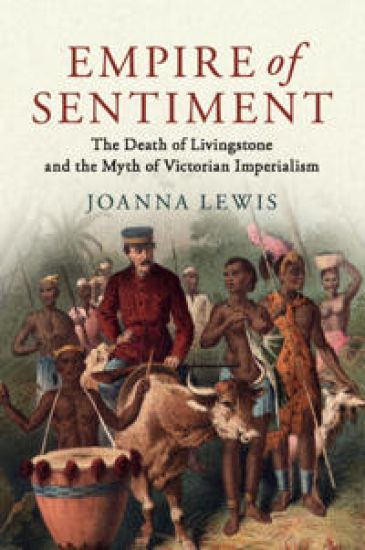
This is the first emotional history of the British Empire. Joanna Lewis explores how David Livingstone's death tied together British imperialism and Victorian humanitarianism and inserted it into popular culture. Sacrifice and death; Superman like heroism; the devotion of Africans; the cruelty of Arab slavery; and the sufferings of the 'ordinary man', generated waves of sentimental feeling. These powerful myths, images and feelings incubated down the generations - through grand ceremonies, further exploration, humanitarianism, Christian teaching, narratives of masculine endeavour and heroic biography - inspiring colonial rule in Africa, white settler pioneers, missionaries and Africans. Empire of Sentiment demonstrates how this central African story shaped Britain's romantic perception of itself as a humane power overseas when the colonial reality fell far short. Through sentimental humanitarianism, Livingstone helped sustain a British Empire in Africa that remained profoundly Victorian, polyphonic and ideological; whilst always understood at home as proudly liberal on race.
Empire of Sentiment

Empire of Sentiment

Joanna Lewis

Cambridge University Press
2018
sidottu
This is the first emotional history of the British Empire. Joanna Lewis explores how David Livingstone's death tied together British imperialism and Victorian humanitarianism and inserted it into popular culture. Sacrifice and death; Superman like heroism; the devotion of Africans; the cruelty of Arab slavery; and the sufferings of the 'ordinary man', generated waves of sentimental feeling. These powerful myths, images and feelings incubated down the generations - through grand ceremonies, further exploration, humanitarianism, Christian teaching, narratives of masculine endeavour and heroic biography - inspiring colonial rule in Africa, white settler pioneers, missionaries and Africans. Empire of Sentiment demonstrates how this central African story shaped Britain's romantic perception of itself as a humane power overseas when the colonial reality fell far short. Through sentimental humanitarianism, Livingstone helped sustain a British Empire in Africa that remained profoundly Victorian, polyphonic and ideological; whilst always understood at home as proudly liberal on race.
Empire State-Building

Empire State-Building

Joanna Lewis

Ohio University Press
2001
pokkari
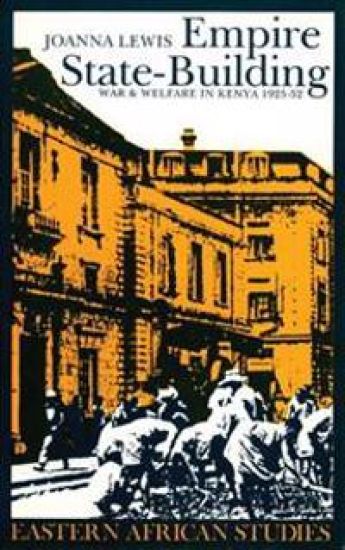
This history of administrative thought and practice in colonial Kenya looks at the ways in which white people tried to engineer social change. It asks four questions: - Why was Kenya's welfare operation so idiosyncratic and spartan compared with that of other British colonies? - Why did a transformation from social welfare to community development produce further neglect of the very poor? - Why was there no equivalent to the French tradition of community medicine? - If there was a transformatory element of colonial rule that sought to address poverty, where and why did it fall down? The answers offer revealing insight into the dynamics of rule in the late colonial period in Kenya.
Empire State-building

Empire State-building

Joanna Lewis

James Currey
2000
pokkari
Informed and lively account of British colonial welfare policy in Kenya. This is a story about British imperial rule in Africa during the middle decades of the 20th century. It asks four questions: why was Kenya's operation so idiosyncratic and spartan compared with other British colonies? Why did a transformation from social welfare to community development produce further neglect of the very poor? Why were there no equivalents to the French tradition of community medicine? If there was a transformatory element of colonial rule that sought to address poverty, where and why did it fall down? The answers chart a new history of administrative thought and practice in colonial Kenya, looking at the ways in which white people tried to engineer social change, and opening up the dynamics of rule within the late colonial period. North America: Ohio U Press; Kenya: EAEP
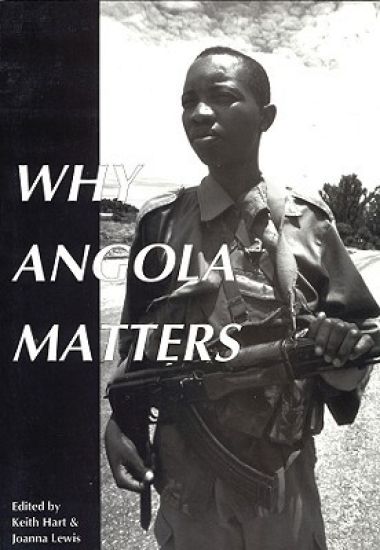
Why Angola Matters

Why Angola Matters

Joanna Lewis

James Currey
1995
pokkari
Illustrated throughout. This volume examines the history of Angola since independence in 1975, and in particular the fact that the country has known only one year of peace in that time. The contributions come from a conference held in Cambridge.