Kirjojen hintavertailu. Mukana 12 595 353 kirjaa ja 12 kauppaa.

Kirjailija

Joanna Williams

Kirjat ja teokset yhdessä paikassa: 14 kirjaa, julkaisuja vuosilta 2007-2026, suosituimpien joukossa Zero-carbon Homes. Vertaile teosten hintoja ja tarkista saatavuus suomalaisista kirjakaupoista.

14 kirjaa

Kirjojen julkaisuhaarukka 2007-2026.

Zero-carbon Homes

Zero-carbon Homes

Joanna Williams

Earthscan Ltd
2011
sidottu
Housing is a major contributor to CO2 emissions in Europe and America today and the construction of new homes offers an opportunity to address this issue. Providing homes that achieve "zero carbon", "carbon neutral", "zero-net energy" or "energy-plus" standard is becoming the goal of more innovative house-builders globally, whilst energy providers seek to decarbonise the energy supply to new and existing development.Various new technical systems for achieving these goals are beginning to emerge. For example the passive house whose energy requirement for space heating and cooling is almost zero; the smart grid that has revolutionized the management of energy, whilst enabling the connection of small-scale, renewable energy producers and electric vehicles to the grid; or the European super-grid which will enable zero carbon energy to be generated in the Sahara desert and stored in Norway.This book explores the diverse approaches that are being adopted around the world to deliver zero carbon homes and the different societal systems and geographic circumstances in which they have developed. It postulates a roadmap for delivering zero carbon homes, together with a toolbox approach for policy and practice to suit particular national and local circumstances.A series of case studies are presented that offer lessons for delivering zero carbon homes. These examples are also used to demonstrate how prototype systems can move into the mainstream. The book highlights some of the instruments and mechanisms that could be used to support this transformation and addresses the wider implications of introducing these innovative systems in terms of industry, lifestyle and urban form.
Zero-carbon Homes

Zero-carbon Homes

Joanna Williams

Earthscan Ltd
2011
nidottu
Housing is a major contributor to CO2 emissions in Europe and America today and the construction of new homes offers an opportunity to address this issue. Providing homes that achieve "zero carbon", "carbon neutral", "zero-net energy" or "energy-plus" standard is becoming the goal of more innovative house-builders globally, whilst energy providers seek to decarbonise the energy supply to new and existing development.Various new technical systems for achieving these goals are beginning to emerge. For example the passive house whose energy requirement for space heating and cooling is almost zero; the smart grid that has revolutionized the management of energy, whilst enabling the connection of small-scale, renewable energy producers and electric vehicles to the grid; or the European super-grid which will enable zero carbon energy to be generated in the Sahara desert and stored in Norway.This book explores the diverse approaches that are being adopted around the world to deliver zero carbon homes and the different societal systems and geographic circumstances in which they have developed. It postulates a roadmap for delivering zero carbon homes, together with a toolbox approach for policy and practice to suit particular national and local circumstances.A series of case studies are presented that offer lessons for delivering zero carbon homes. These examples are also used to demonstrate how prototype systems can move into the mainstream. The book highlights some of the instruments and mechanisms that could be used to support this transformation and addresses the wider implications of introducing these innovative systems in terms of industry, lifestyle and urban form.
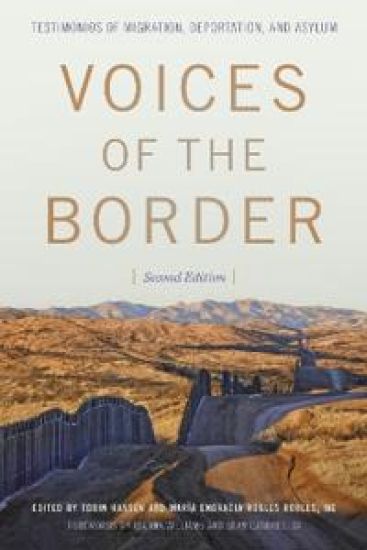
Voices of the Border

Voices of the Border

Joanna Williams

GEORGETOWN UNIVERSITY PRESS
2026
pokkari
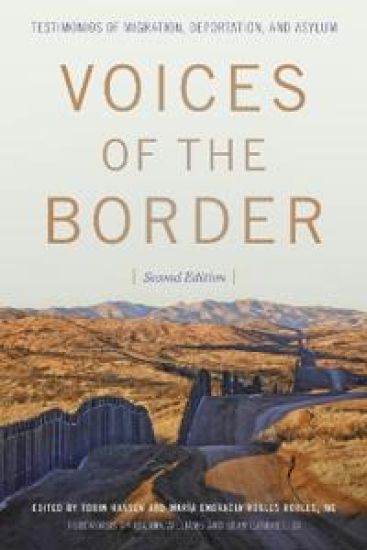
These powerful stories of migrants' experiences reveal the painful consequences of public policy Migrants, refugees, and deportees live through harrowing situations, yet their personal stories are often ignored. While politicians and commentators herald border crises, and speculate on these peoples' lives, the actual memories of migrants are rarely shared. In the tradition of oral storytelling, Voices of the Border recounts the stories migrants have told, offering a window into individual and shared experiences of crossing the United States–Mexico border. This collection emerged from interviews conducted by the members of the Kino Border Initiative (KBI), a Jesuit organization that provides humanitarian assistance and advocates for migrants. Based in Nogales, Arizona, and Nogales, Sonora—twin border cities connected by shared histories, geographies, and cultures—the editors and their colleagues have documented migrants' testimonios. These personal narratives of lived experiences, presented in the original Spanish, with English translations, show us these individuals' strength and courage in the face of injustice. Chapter introductions—written by migrant advocates, humanitarian workers, religious leaders, and scholars—provide context. These powerful stories help readers better understand migrants' experiences, and consequences of public policy for their communities.
Voices of the Border

Voices of the Border

Joanna Williams

GEORGETOWN UNIVERSITY PRESS
2026
sidottu
These powerful stories of migrants' experiences reveal the painful consequences of public policy Migrants, refugees, and deportees live through harrowing situations, yet their personal stories are often ignored. While politicians and commentators herald border crises, and speculate on these peoples' lives, the actual memories of migrants are rarely shared. In the tradition of oral storytelling, Voices of the Border recounts the stories migrants have told, offering a window into individual and shared experiences of crossing the United States–Mexico border. This collection emerged from interviews conducted by the members of the Kino Border Initiative (KBI), a Jesuit organization that provides humanitarian assistance and advocates for migrants. Based in Nogales, Arizona, and Nogales, Sonora—twin border cities connected by shared histories, geographies, and cultures—the editors and their colleagues have documented migrants' testimonios. These personal narratives of lived experiences, presented in the original Spanish, with English translations, show us these individuals' strength and courage in the face of injustice. Chapter introductions—written by migrant advocates, humanitarian workers, religious leaders, and scholars—provide context. These powerful stories help readers better understand migrants' experiences, and consequences of public policy for their communities.
How Woke Won

How Woke Won

Joanna Williams

London Publishing Partnership
2024
pokkari
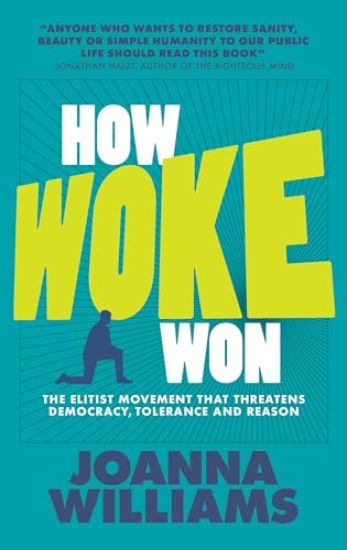
Woke has conquered the West. Identity politics, cancel culture and trans ideology reign. The values of 'inclusivity' and 'diversity' dominate politics, academia, the media, big business and the very language we speak. Censorship and public shaming are the price you pay for dissent. Woke has won - but at what cost? Beneath the politically correct buzzwords lies a politics that is reactionary and elitist. Racial divisions are rehabilitated in the name of anti-racism. Women's rights are destroyed in the name of trans rights. Ordinary people are demonised as bigots, while virtue-signalling corporations pose as radical. Where did woke come from? And whose interests does it serve? This is a book about how a once fringe set of ideas took our elites by storm, and why this is bad news for everyone else. Joanna Williams argues that we have much more in common than the woke would have us believe - and that it is time to come together to forge a freer, more democratic and truly egalitarian future.
Så vann woke : den elitistiska rörelsen som hotar demokrati, tolerans och sunt förnuft
I Så vann woke undersöker den brittiska journalisten Joanna Williams hur den ideo­logi som går under namnet woke fått ett dominerande inflytande på många samhällsområden. På såväl skolor och universitet som myndigheter och kulturinstitutioner spelar wokevärderingar en nyckelroll. I diskussionen om ras och kön är de sedan länge ledstjärna. Även tidigare konservativa bastioner som polis och näringsliv genomsyras idag av dem. Den ökade fokuseringen på mångfaldskvoteringar, identitetspolitik och offertänkande är andra exempel på hur woke vunnit mark. »Woke har lagt beslag på den progressiva retoriken, men i stället för att bidra till kampen mot diskriminering lägger woke grunden till nya former av diskriminering. I dag är det troligen wokeförkunnare som befaller oss att döma människor efter hudfärg, och upplyser oss om att kvinnor måste stiga åt sidan för män som identifierar sig som kvinnor.Det finns många skäl till att utifrån idealen om demokrati, ­anti­rasism och jämlikhet göra motstånd mot wokeidéerna. Och det är bråttom att göra det om vi vill ha en genuint progressiv politik som sät­ter vanliga människor främst.När det gäller hur man bäst bekämpar wokes inflytande lyfter jag fram det enda som förespråkarna inte kan hantera: demokratisk prövning. Om och om igen förkastas nämligen woke när människor i undersökningar, folkomröstningar eller allmänna val får säga vad de tycker.« Joanna WilliamsOM FÖRFATTARENJoanna Williams är författare, journalist och direktör på tankesmedjan Cieo. I över tio år var hon verksam vid University of Kent. Idag är hon kolumnist på spiked och skriver i tidningar som Times, Spectator och Telegraph. Tidigare har hon utgivit böckerna Consuming Higher Education: Why Learning Can't Be Bought (2012), Academic Freedom in an Age of Confor­mity ­(2016) och Behöver vi fortfarande feminismen? (Karneval 2019).SAGT OM BOKEN»En fantastisk studie som går på djupet. Efter att ha läst boken kommer du inte att tvivla på wokismens frätande och splittrande inverkan.« Frank Furedi »Alltför ofta när människor talar om hur woke har tagit över våra elitinstitutioner gör de det i en anda av uppgivenhet, som om vårt enda hopp om att vända denna process är att påbörja en lång marsch i motsatt riktning. Inte Joanna Williams. I Så vann woke argumenterar hon övertygande för att denna auktoritära kult inte är så mäktig som den verkar och om förkämparna för liberala värderingar går samman kan den besegras.« Toby Young»En genomtänkt, välavvägd och kraftfullt argu­men­terad bok om woke, och hur den kom att ta över våra institutioner så fullständigt att den som ifrågasätter wokes inflytande riskerar sin karriär.« Iain Dale »En nyttig påminnelse om hur djupa skytte­gra­var­na i dagens kulturkrig är och ett viktigt fokusskifte i rikt­ning mot en genuint progressiv politik. Ett skarp­sinnigt, modigt och uppiggande kom­pend­ium.« Laura Dodsworth »Williams för­kla­rar hur en liten minoritet inom eliter­na i Stor­bri­tannien och USA, genom att införa en anti­demo­kra­tisk revolution uppifrån, lyckades skrämma resten av eliten till tystnad eller delaktig­het. Alla som vill återupprätta förnuft, skönhet och humanitet måste läsa denna bok.« Jonathan Haidt »Så vann woke utmanar den skadliga och endimen­sio­­nel­la berättelsen som delar upp världen i offer och för­tryckare.« Dominique Samuels »En mycket läsvärd anatomisk undersökning över det väckelsefenomen som håller på att förgifta vårt intellektuella, sociala och politiska liv, och som har kopplat sitt grepp om många offentliga institutioner. Joanna Williams berättar historien om hur detta har gått till och förklarar varför: för att wokes ideologi ger makt åt den elit som styr en stor del av våra liv.« Robert Tombs
Blossom: A Floral Coloring Book for Relaxation, Unleash Your Inner Child, and Enhance Mindfulness
Blossom is a relaxing coloring book perfect for unleashing your inner child. Each page of this coloring book comes to life with a variety of her signature floral designs. You are invited to get as creative as you customize each flower and bring these pretty blank pages to life This coloring book is only 6 inches by 9 inches filled with 24 floral illustrations and is super portable, so you can relax and color wherever you are. Let the stress-relieving floral patterns take you to a world of relaxation and imagination wherever you go or get it as a gift Help anyone step away from the screens: computer, television, phone, or the tablet they're addicted to. Embrace the beautiful and calming patterns and connect with your inner artist using pens, markers, crayons, or coloring pencils. The pages are printed on a single side, so there is no bleed-through.
Behöver vi fortfarande feminismen? : varför vi alla behöver befria oss från
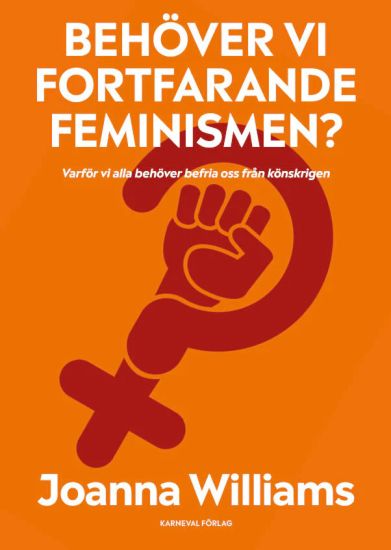
Aldrig har det existerat en bättre tid för kvinnor än nu! Tack vare den kamp som tidigare ­generationer feminister utkämpade har kvinnor idag ­frihet och möjligheter som de förut inte kunde drömma om. Flickor idag klarar sig bättre än pojkar i skolan.Kvinnor ­stu­­de­rar på universitet i högre grad än män.Kvinnor erövrar allt fler toppositioner i yrkeslivet.Löne­skillnader på grund av kön har så gott som ­försvun­nit.Feminismen har med andra ord varit en unik historisk fram­gång.Paradoxalt nog är detta ett faktum som sällan framhålls av dagens feminism, vars budskap snarare präglas av hur öm­­tåliga, svaga, utsatta, för­tryckta och maktlösa kvinnor är.Behöver vi fortfarande feminismen? av Joanna ­­ ­Wil­­liams är en empirisk undersökning av kvinnors sociala ställning idag och en kritisk granskning av dagens dominerande feministiska ideologi.Joanna Williams är författare, journalist och docent vid University of Kent. Hon är redaktör på nättidningen Spiked och verksam vid tankesmedjan Policy Exchange. Tidigare har hon utgivit böckerna Consuming Higher Education: Why Learning Can't Be Bought (Bloomsbury 2012) och Acade­mic Freedom in an Age of Confor­mity ­(Palgrave Macmillan 2016). SAGT OM BOKEN"Boken är inte bara ett modigt ställningstagande, utan också ett försök att bryta en ond cirkel ... Wiliams huvudbudskap att ett könskrig inte har några vinnare är uppfriskande och sympatiskt." Times Literary Supplement "Det är en fröjd att läsa Joanna Williams. Du inser snabbt att hon representerar en ovanlig kombina­tion: Hon kan sin feministiska teori utan och innan, samtidigt som hon omedelbart ser när den samtida feminismen leder vilse och blir ytterst skadlig." The Conservative Woman "Sammantaget kommer Joanna Williams fram till den kontroversiella slutsatsen att vi behöver befrias från den moderna feminismen, eftersom den bara är inriktad på ett oändligt krig, som får kvinnor att felaktigt tro att de är utsatta för förtryck. Endast när denna befrielse är uppnådd kommer både män och kvinnor att kunna förverkliga sin fulla potential . Boken är en tankeväckande kritisk granskning av den moderna feminis­men, som förtjänar att sättas upp på att läsa-listan för varje student." The Quarterly Review"En storartad exposé över dagens offer­feminism. Joanna ­Williams berättar historien om hur den en gång så tappra rörelsen för jämställdhet och frihet utvecklade sig till en mansmobbande klagofestival. ­Denna minutiöst researchade bok kommer att göra könsaktivisterna galna, men samtidigt glädja dem som bryr sig om sanning, bevis­regler och äkta fri­görelse." Christina Hoff Sommers, professor i filosofi
Women vs Feminism

Women vs Feminism

Joanna Williams

Emerald Publishing Limited
2017
nidottu
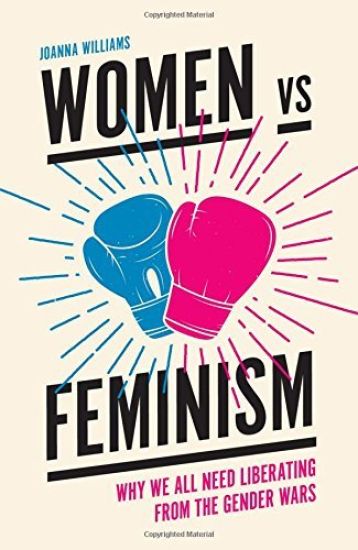
There’s never been a better time to be a woman. Thanks to those feminists who fought for liberation, young women today have freedom and opportunities their grandmothers could barely have imagined. Girls do better at school than boys and are more likely to go to university. As a result, women are taking more of the top jobs and the gender pay gap has all but disappeared. Yet rather than encouraging women to seize the new possibilities open to them, contemporary feminism tells them they are still oppressed. Women vs Feminism: Why We All Need Liberating from the Gender Wars challenges this stance, unpicking the statistics from the horror stories to explore the reality of women’s lives. It argues that today’s feminism is obsessed with trivial issues – skinny models, badly phrased jokes and misplaced compliments – and focuses on the regulation of male behaviour, rather than female empowerment, pitching men and women against each other in a never-ending gender war that benefits no-one. Feminism today does women no favours and it’s time we were all liberated from the gender wars.
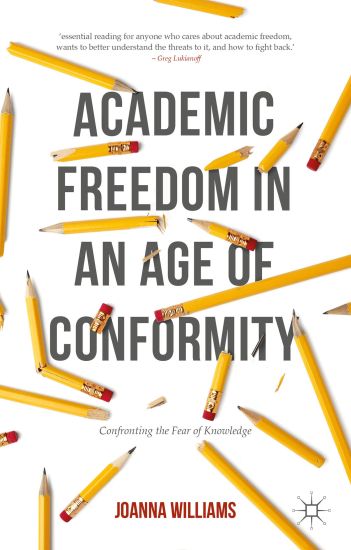
Academic Freedom in an Age of Conformity

Academic Freedom in an Age of Conformity

Joanna Williams

Palgrave Macmillan
2016
nidottu
Academic freedom is increasingly being threatened by a stifling culture of conformity in higher education that is restricting individual academics, the freedom of academic thought and the progress of knowledge – the very foundations upon which academia and universities are built. Once, scholars demanded academic freedom to critique existing knowledge and to pursue new truths. Today, while fondness for the rhetoric of academic freedom remains, it is increasingly criticised as an outdated and elitist concept by students and lecturers alike and called into question by a number of political and intellectual trends such as feminism, critical theory and identity politics. This provocative and compelling book traces the demise of academic freedom within the context of changing ideas about the purpose of the university and the nature of knowledge. The book argues that a challenge to this culture of conformity and censorship and a defence of academic free speech are needed for critique to be possible and for the intellectual project of evaluating existing knowledge and proposing new knowledge to be meaningful. This book is that challenge and a passionate call to arms for the power of academic thought today.
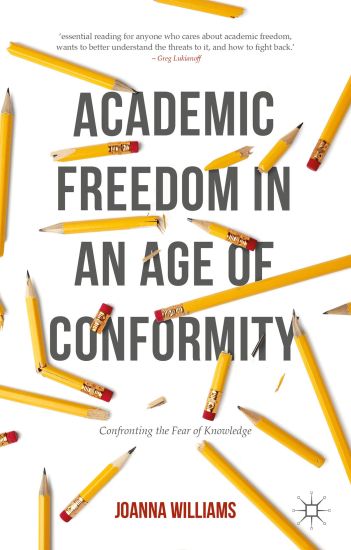
Academic Freedom in an Age of Conformity

Academic Freedom in an Age of Conformity

Joanna Williams

Palgrave Macmillan
2016
sidottu
Academic freedom is increasingly being threatened by a stifling culture of conformity in higher education that is restricting individual academics, the freedom of academic thought and the progress of knowledge – the very foundations upon which academia and universities are built. Once, scholars demanded academic freedom to critique existing knowledge and to pursue new truths. Today, while fondness for the rhetoric of academic freedom remains, it is increasingly criticised as an outdated and elitist concept by students and lecturers alike and called into question by a number of political and intellectual trends such as feminism, critical theory and identity politics. This provocative and compelling book traces the demise of academic freedom within the context of changing ideas about the purpose of the university and the nature of knowledge. The book argues that a challenge to this culture of conformity and censorship and a defence of academic free speech are needed for critique to be possible and for the intellectual project of evaluating existing knowledge and proposing new knowledge to be meaningful. This book is that challenge and a passionate call to arms for the power of academic thought today.
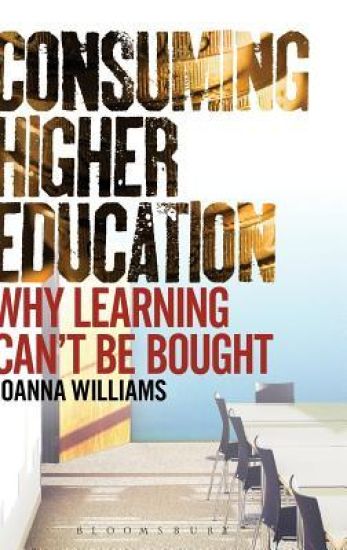
Consuming Higher Education

Consuming Higher Education

Joanna Williams

Bloomsbury Academic USA
2012
sidottu
Consuming Higher Education explores the status of students within the university and society, and the funding and purpose of higher education, drawing on empirical data, UK and USA government policy documents, speeches by policy makers and media representations of students. Joanna Williams moves beyond the debates surrounding fees to consider the impact of the consumption model on universities, learning, knowledge, and student identity. While consumer status initially appears to empower students, Williams argues that it ultimately erodes students' autonomy and reduces learning to an instrumental focus on credit accumulation. At the same time, in giving students consumer status, lecturers are encouraged to avoid intellectually or emotionally challenging content so as not to upset student consumers, which could promote dissatisfaction. Williams draws these themes and arguments together to consider what it means to be a student and to explore alternative conceptions of higher education.
Consuming Higher Education

Consuming Higher Education

Joanna Williams

Bloomsbury Academic USA
2012
nidottu
Consuming Higher Education explores the status of students within the university and society, and the funding and purpose of higher education, drawing on empirical data, UK and USA government policy documents, speeches by policy makers and media representations of students. Joanna Williams moves beyond the debates surrounding fees to consider the impact of the consumption model on universities, learning, knowledge, and student identity. While consumer status initially appears to empower students, Williams argues that it ultimately erodes students' autonomy and reduces learning to an instrumental focus on credit accumulation. At the same time, in giving students consumer status, lecturers are encouraged to avoid intellectually or emotionally challenging content so as not to upset student consumers, which could promote dissatisfaction. Williams draws these themes and arguments together to consider what it means to be a student and to explore alternative conceptions of higher education.
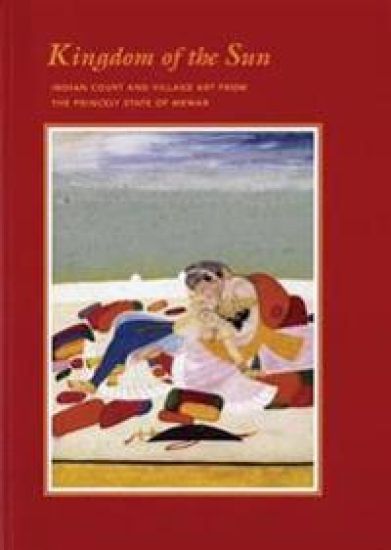
Kingdom of the Sun

Kingdom of the Sun

Joanna Williams; Kaz Tsuruta

Asian Art Museum of San Francisco
2007
nidottu
Filled with over 170 classical Indian works of art and expert commentary, Kingdom of the Sun is a welcome addition to the field of Indian art history.Few regions of India have so excited the imagination as has the princely state of Mewar, which has been celebrated as the most heroic and illustrious of the Rajput states. Despite this, relatively little writing has been devoted to the innovative artists whose work helped to establish the state's reputation. Kingdom of the Sun: Indian Court and Village Art from the Princely State of Mewar addresses that deficiency by gathering some of the finest works of Indian art. The pieces range from the early sixteenth century to the twentieth century. At the core is a selection of works that dramatically conveys the brilliance of Mewar painting. The exhibition brings to life some of the great individual Mewari painters-especially Bakhta (1760-1810) and Chokha (1799-1824)-who previously have been largely relegated to anonymity. For his book, original essays were commissioned from leading scholars-these essays represent a significant advancement in scholarship related to Mewar. Exhibition curator Joanna Williams has also written detailed entries for each of the objects on display. The result is a book that gives an intimate sense of an extraordinary place and the remarkable people who created a legacy there, one that continues to fascinate to this day.