Kirjojen hintavertailu. Mukana 12 207 361 kirjaa ja 12 kauppaa.

Kirjailija

Joe McElhaney

Kirjat ja teokset yhdessä paikassa: 3 kirjaa, julkaisuja vuosilta 2009-2021, suosituimpien joukossa Albert Maysles. Vertaile teosten hintoja ja tarkista saatavuus suomalaisista kirjakaupoista.

3 kirjaa

Kirjojen julkaisuhaarukka 2009-2021.

Luchino Visconti and the Fabric of Cinema

Luchino Visconti and the Fabric of Cinema

Joe McElhaney

Wayne State University Press
2021
nidottu
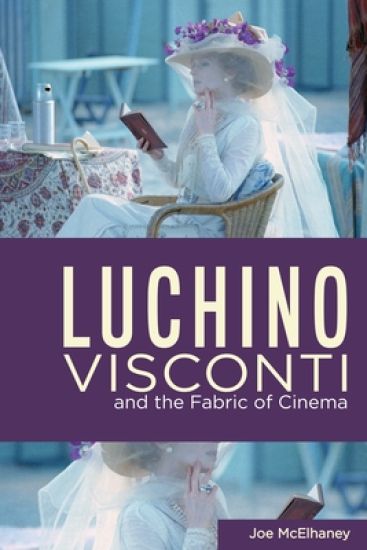
In Luchino Visconti and the Fabric of Cinema, Joe McElhaney situates Visconti's films as privileged and deeply expressive instances of a trope that McElhaney identifies as the ""cinema of fabric"": a reoccurrence in film in which textiles-clothing, curtains, tablecloths, bedsheets-determine the filming process. An Italian neorealist, Visconti emerges out of a movement immediately following WWII wherein fabric assumes crucial functions, yet Visconti's use of fabric surpasses his colleagues in many ways, including its fluid, multifaceted articulations of space and time. Visconti's homosexuality is central to this theory in that it assumes metaphoric potential in addressing ""forbidden"" sexual desires that are made visible in the films. Visconti's cinema of fabric gives voice to desires not simply for human bodies draped in fabric but also for entire environments, a world of the senses in which fabric becomes a crucial method for giving form to such desires. McElhaney examines Visconti's neorealist origins in Ossessione, La terra trema, and Rocco and His Brothers, particularly through fabric's function within literary realism and naturalism. Neorealist revisionism through the extravagant drapings of the diva film is examined in Bellissima and Senso whereas White Nights and The Stranger are examined for the theatricalizing through fabric of their literary sources. Visconti's interest in German culture vis-?á-vis The Damned, Death in Venice, and Ludwig, is articulated through a complex intertwining of fabric, aesthetics, politics, and transgressive sexual desire. Finally, Visconti's final two films, Conversation Piece and The Innocent, assess through fabric both the origins of Italian fascism and the political tensions contemporaneous with the films' productions. Fabric in Visconti is often tied to the aesthetic impulse itself in a world of visionaries attempting to dominate their surrounding environments and where a single piece of fabric may come to represent the raw material for creation. This book will tantalize any reader with a keen eye and strong interest in film and queer studies.
Luchino Visconti and the Fabric of Cinema

Luchino Visconti and the Fabric of Cinema

Joe McElhaney

Wayne State University Press
2021
sidottu
In Luchino Visconti and the Fabric of Cinema, Joe McElhaney situates Visconti's films as privileged and deeply expressive instances of a trope that McElhaney identifies as the ""cinema of fabric"": a reoccurrence in film in which textiles-clothing, curtains, tablecloths, bedsheets-determine the filming process. An Italian neorealist, Visconti emerges out of a movement immediately following WWII wherein fabric assumes crucial functions, yet Visconti's use of fabric surpasses his colleagues in many ways, including its fluid, multifaceted articulations of space and time. Visconti's homosexuality is central to this theory in that it assumes metaphoric potential in addressing ""forbidden"" sexual desires that are made visible in the films. Visconti's cinema of fabric gives voice to desires not simply for human bodies draped in fabric but also for entire environments, a world of the senses in which fabric becomes a crucial method for giving form to such desires. McElhaney examines Visconti's neorealist origins in Ossessione, La terra trema, and Rocco and His Brothers, particularly through fabric's function within literary realism and naturalism. Neorealist revisionism through the extravagant drapings of the diva film is examined in Bellissima and Senso whereas White Nights and The Stranger are examined for the theatricalizing through fabric of their literary sources. Visconti's interest in German culture vis-?á-vis The Damned, Death in Venice, and Ludwig, is articulated through a complex intertwining of fabric, aesthetics, politics, and transgressive sexual desire. Finally, Visconti's final two films, Conversation Piece and The Innocent, assess through fabric both the origins of Italian fascism and the political tensions contemporaneous with the films' productions. Fabric in Visconti is often tied to the aesthetic impulse itself in a world of visionaries attempting to dominate their surrounding environments and where a single piece of fabric may come to represent the raw material for creation. This book will tantalize any reader with a keen eye and strong interest in film and queer studies.
Albert Maysles

Albert Maysles

Joe McElhaney

University of Illinois Press
2009
nidottu
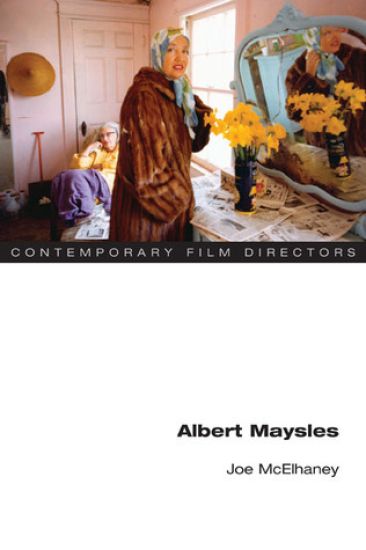
Albert Maysles has created some of the most influential documentaries of the postwar period. Such films as Salesman,Gimme Shelter, and Grey Gardens continue to generate intense debate about the ethics and aesthetics of the documentary form. In this in-depth study, Joe McElhaney offers a novel understanding of the historical relevance of Maysles. By closely focusing on Maysles's expressive use of his camera, particularly in relation to the filming of the human figure, this book situates Maysles's films within not only documentary film history but film history in general, arguing for their broad-ranging importance to both narrative film and documentary cinema. Complete with an engaging interview with Maysles and a detailed comparison of the variant releases of his documentary on the Beatles (What's Happening: The Beatles in the U.S.A. and The Beatles: The First U.S. Visit), this work is a pivotal study of a significant filmmaker.