

Kirjailija
Johanna Oksala
Kirjat ja teokset yhdessä paikassa: 10 kirjaa, julkaisuja vuosilta 2005-2026, suosituimpien joukossa What is Ecofeminism?. Vertaile teosten hintoja ja tarkista saatavuus suomalaisista kirjakaupoista.
10 kirjaa
Kirjojen julkaisuhaarukka 2005-2026.
A philosophical response that brings together feminist and ecological approaches to solving the global environmental crisis that the capitalist economic system has created In the face of ecological catastrophe, neither feminists nor environmentalists have the option of merely supporting an environmental politics that would preserve an imagined nature somewhere outside capitalism. As Johanna Oksala contends, the political goal must be more radical: to challenge the capitalist economic system itself and the mechanisms by which it expropriates life on the planet.Feminism, Capitalism, and Ecology lays the critical groundwork for this political project. It develops a new way of bringing feminist and ecological responses to capitalism together into a cohesive framework. By exposing the systemic logic by which environmental destruction and gender oppression are jointly rooted in capitalism, Oksala establishes the theoretical foundations for an effective political alliance. The traditions of materialist ecofeminism and Marxist feminism are critical starting points. But the rapid rise of biotechnology and the steady increase of precarity necessitate a model of resistance that responds to the distinctive challenges of contemporary biocapitalism. Timely and urgent, this book articulates a theoretically sophisticated response and maps out our real-world options in this existential struggle.
A philosophical response that brings together feminist and ecological approaches to solving the global environmental crisis that the capitalist economic system has created In the face of ecological catastrophe, neither feminists nor environmentalists have the option of merely supporting an environmental politics that would preserve an imagined nature somewhere outside capitalism. As Johanna Oksala contends, the political goal must be more radical: to challenge the capitalist economic system itself and the mechanisms by which it expropriates life on the planet.Feminism, Capitalism, and Ecology lays the critical groundwork for this political project. It develops a new way of bringing feminist and ecological responses to capitalism together into a cohesive framework. By exposing the systemic logic by which environmental destruction and gender oppression are jointly rooted in capitalism, Oksala establishes the theoretical foundations for an effective political alliance. The traditions of materialist ecofeminism and Marxist feminism are critical starting points. But the rapid rise of biotechnology and the steady increase of precarity necessitate a model of resistance that responds to the distinctive challenges of contemporary biocapitalism. Timely and urgent, this book articulates a theoretically sophisticated response and maps out our real-world options in this existential struggle.
Feminist Experiences develops and defends a distinctive understanding of feminist philosophy as social critique. Feminist philosophy is essentially a political endeavor, Johanna Oksala argues, aiming to expose, analyze, and ultimately change gendered power relations. However, such an understanding of feminist philosophy raises a host of theoretical problems and paradoxes. Oksala investigates the philosophical challenges and outlines the ontological presuppositions and methodological innovations the project requires.Drawing on conceptual tools from the thought of Michel Foucault, but also from the tradition of phenomenology, she explores the role of experience in feminist philosophy and its relationship to language and linguistic meaning. Oksala concludes by sketching a feminist ontology of the present through a critical investigation of neoliberalism and the challenges it presents to feminist theory and politics.
Feminist Experiences develops and defends a distinctive understanding of feminist philosophy as social critique. Feminist philosophy is essentially a political endeavor, Johanna Oksala argues, aiming to expose, analyze, and ultimately change gendered power relations. However, such an understanding of feminist philosophy raises a host of theoretical problems and paradoxes. Oksala investigates the philosophical challenges and outlines the ontological presuppositions and methodological innovations the project requires.Drawing on conceptual tools from the thought of Michel Foucault, but also from the tradition of phenomenology, she explores the role of experience in feminist philosophy and its relationship to language and linguistic meaning. Oksala concludes by sketching a feminist ontology of the present through a critical investigation of neoliberalism and the challenges it presents to feminist theory and politics.
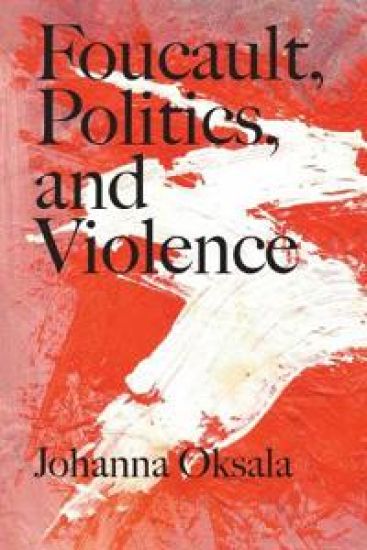
In her book, Oksala shows that the arguments for the ineliminability of violence from the political are often based on excessively broad, ontological conceptions of violence distinct from its concrete and physical meaning and, on the other hand, on a restrictively narrow and empirical understanding of politics as the realm of conventional political institutions.
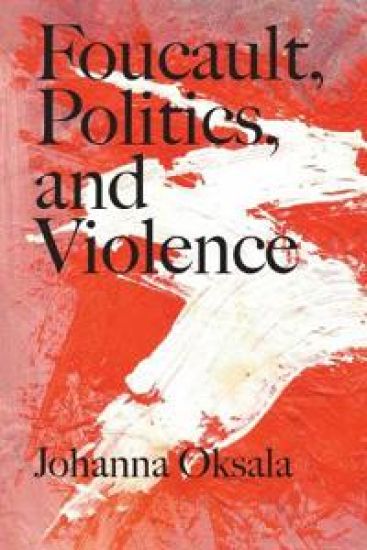
In her book, Oksala shows that the arguments for the ineliminability of violence from the political are often based on excessively broad, ontological conceptions of violence distinct from its concrete and physical meaning and, on the other hand, on a restrictively narrow and empirical understanding of politics as the realm of conventional political institutions.

Freedom and the subject were guiding themes for Michel Foucault throughout his philosophical career. In this clear and comprehensive analysis of his thought, Johanna Oksala identifies the different interpretations of freedom in his philosophy and examines three major divisions of it: the archaeological, the genealogical, and the ethical. She shows convincingly that in order to appreciate Foucault's project fully we must understand his complex relationship to phenomenology, and she discusses Foucault's treatment of the body in relation to recent feminist work on this topic. Her sophisticated but lucid book illuminates the possibilities that Foucault's philosophy opens up for us in thinking about freedom.

Michel Foucault was a twentieth-century philosopher of extraordinary talent, a political activist, social theorist, cultural critic and creative historian. He shaped the ways we think today about such controversial issues as power, sexuality, madness and criminality. Johanna Oksala explores the conceptual tools that Foucault gave us for constructing new forms of thinking as well as for smashing old certainties. She offers a lucid account of him as a thinker whose persistent aim was to challenge the self-evidence and seeming inevitability of our current experiences, practices and institutions by showing their historical development and, therefore, contingency. Extracts are taken from the whole range of Foucault's writings - his books, essays, lectures and interviews - including the major works History of Madness,The Order of Things, Discipline and Punish and The History of Sexuality.
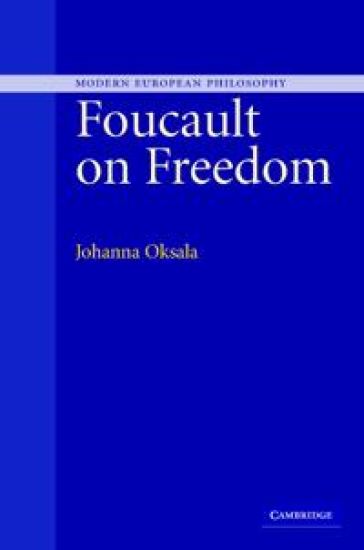
Freedom and the subject were guiding themes for Michel Foucault throughout his philosophical career. In this clear and comprehensive analysis of his thought, Johanna Oksala identifies the different interpretations of freedom in his philosophy and examines three major divisions of it: the archaeological, the genealogical, and the ethical. She shows convincingly that in order to appreciate Foucault's project fully we must understand his complex relationship to phenomenology, and she discusses Foucault's treatment of the body in relation to recent feminist work on this topic. Her sophisticated but lucid book illuminates the possibilities that Foucault's philosophy opens up for us in thinking about freedom.