Kirjojen hintavertailu. Mukana 12 309 027 kirjaa ja 12 kauppaa.

Kirjailija

John A. Bryant

Kirjat ja teokset yhdessä paikassa: 4 kirjaa, julkaisuja vuosilta 2012-2018, suosituimpien joukossa Introduction to Bioethics. Vertaile teosten hintoja ja tarkista saatavuus suomalaisista kirjakaupoista.

4 kirjaa

Kirjojen julkaisuhaarukka 2012-2018.

Introduction to Bioethics

Introduction to Bioethics

John A. Bryant; Linda Baggott la Velle

John Wiley Sons Inc
2018
nidottu
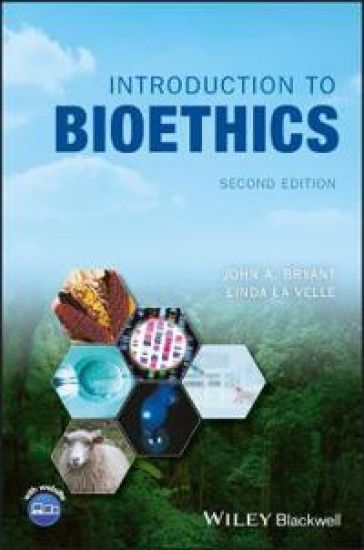
Provides comprehensive, yet concise coverage of the broad field of bioethics, dealing with the scientific, medical, social, religious, political and international concerns This book offers complete information about all aspects of bioethics and its role in our world. It tackles the concerns of bioethicists, dealing with the ethical questions that arise in the relationships among life sciences, biotechnology, medicine, politics, law, and philosophy. The book introduces the various modes of ethical thinking and then helps the reader to apply that thinking to issues relating to the environment, to plants and animals, and to humans. Written in an accessible manner, Introduction to Bioethics, Second Edition focuses on key issues directly relevant to those studying courses ranging from medicine through to biology and agriculture. Ethical analysis is threaded throughout each chapter and supplementary examples are included to stimulate further thought. In addition there are numerous mini-case studies to aid understanding, together with key references and further reading. Topics covered include genetic modification; GM crops, human genetics and genomics; cloning and stem cells; assisted reproduction; end of life issues; human enhancement; transhumanism and more. A concise introduction covering the whole field of bioethicsEthical analysis included throughoutMini case-studies in each chapter place ethics into specific contextsIncludes exercises and commentary to further clarify ethical discussionsNow fully revised, updated and re-ordered, with new chapters on Biofuels and on Synthetic Biology Introduction to Bioethics, Second Edition is primarily aimed at undergraduate students taking courses in biomedical sciences, biological sciences, and medicine. It will also be useful to anyone with an interested in the ethics of biological and biomedical science, including science journalists and reporters, who want to inform themselves about current developments.
Introduction to Bioethics

Introduction to Bioethics

John A. Bryant; Linda Baggott la Velle

John Wiley Sons Inc
2018
sidottu
Provides comprehensive, yet concise coverage of the broad field of bioethics, dealing with the scientific, medical, social, religious, political and international concerns This book offers complete information about all aspects of bioethics and its role in our world. It tackles the concerns of bioethicists, dealing with the ethical questions that arise in the relationships among life sciences, biotechnology, medicine, politics, law, and philosophy. The book introduces the various modes of ethical thinking and then helps the reader to apply that thinking to issues relating to the environment, to plants and animals, and to humans. Written in an accessible manner, Introduction to Bioethics, Second Edition focuses on key issues directly relevant to those studying courses ranging from medicine through to biology and agriculture. Ethical analysis is threaded throughout each chapter and supplementary examples are included to stimulate further thought. In addition there are numerous mini-case studies to aid understanding, together with key references and further reading. Topics covered include genetic modification; GM crops, human genetics and genomics; cloning and stem cells; assisted reproduction; end of life issues; human enhancement; transhumanism and more. A concise introduction covering the whole field of bioethicsEthical analysis included throughoutMini case-studies in each chapter place ethics into specific contextsIncludes exercises and commentary to further clarify ethical discussionsNow fully revised, updated and re-ordered, with new chapters on Biofuels and on Synthetic Biology Introduction to Bioethics, Second Edition is primarily aimed at undergraduate students taking courses in biomedical sciences, biological sciences, and medicine. It will also be useful to anyone with an interested in the ethics of biological and biomedical science, including science journalists and reporters, who want to inform themselves about current developments.
Dna Replication In Plants

Dna Replication In Plants

John A. Bryant

CRC Press
2017
sidottu
This texts discusses DNA replication in plants including chapters on; functional chromosomal structure, the biochemistry of DNA replication, Control of DNA replication, Replication of plant organelle DNA, replication of DNA viruses in plants, and DNA damage, repair, and mutagenesis.
Functional Biology of Plants

Functional Biology of Plants

Martin J. Hodson; John A. Bryant

John Wiley Sons Inc
2012
nidottu
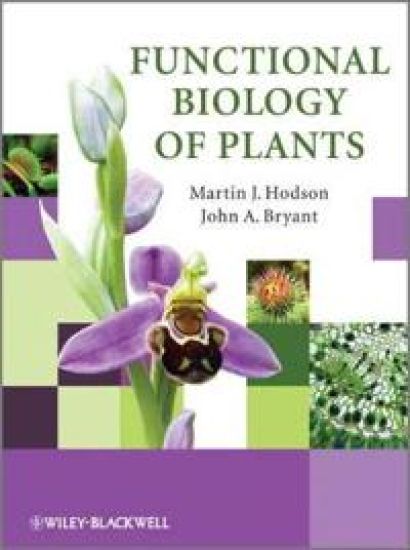
Functional Biology of Plants provides students and researchers with a clearly written, well structured whole plant physiology text. Early in the text, it provides essential information on molecular and cellular processes so that the reader can understand how they are integrated into the development and function of the plant at whole-plant level. Thus, this beautifully illustrated book, presents a modern, applied integration of whole plant and molecular approaches to the study of plants. It is divided into four parts: Part 1: Genes and Cells, looks at the origins of plants, cell structure, biochemical processes and genes and development. Part 2: The Functioning Plant, describes the structure and function of roots, stems, leaves, flowers and seed and fruit development. Part 3: Interactions and Adaptations, examines environmental and biotic stresses and how plants adapt and acclimatise to these conditions. Part 4: Future Directions, illustrates the great importance of plant research by looking at some well chosen, topical examples such as GM crops, biomass and bio-fuels, loss of plant biodiversity and the question of how to feed the planet. Throughout the book there are text boxes to illustrate particular aspects of how humans make use of plants, and a comprehensive glossary proves invaluable to those coming to the subject from other areas of life science.