Kirjojen hintavertailu. Mukana 12 595 353 kirjaa ja 12 kauppaa.

Kirjailija

John Brooks

Kirjat ja teokset yhdessä paikassa: 33 kirjaa, julkaisuja vuosilta 1999-2026, suosituimpien joukossa Lecture by John Brooks, of Cameron County, PA., Delivered in the House of Representatives, Thrusday Evening, March 29, 1879, on the Subject of Hell. Vertaile teosten hintoja ja tarkista saatavuus suomalaisista kirjakaupoista.

33 kirjaa

Kirjojen julkaisuhaarukka 1999-2026.

Business Adventures

Business Adventures

John Brooks

Hodder Stoughton
2014
nidottu
The best business book I've ever read.' Bill GatesWall Street Journal 'The Michael Lewis of his day.' New York Times What do the $350 million Ford Motor Company disaster known as the Edsel, the fast and incredible rise of Xerox, and the unbelievable scandals at General Electric and Texas Gulf Sulphur have in common? Each is an example of how an iconic company was defined by a particular moment of fame or notoriety. These notable and fascinating accounts are as relevant today to understanding the intricacies of corporate life as they were when the events happened. Stories about Wall Street are infused with drama and adventure and reveal the machinations and volatile nature of the world of finance. John Brooks's insightful reportage is so full of personality and critical detail that whether he is looking at the astounding market crash of 1962, the collapse of a well-known brokerage firm, or the bold attempt by American bankers to save the British pound, one gets the sense that history really does repeat itself. This business classic written by longtime New Yorker contributor John Brooks is an insightful and engaging look into corporate and financial life in America.
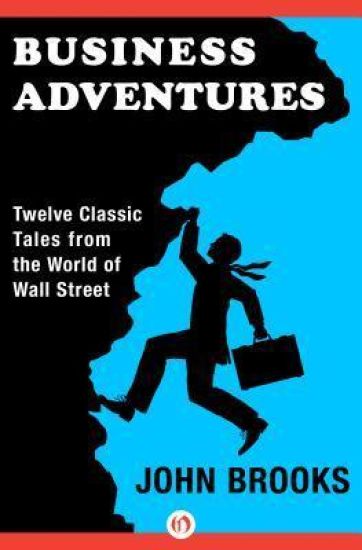
Business Adventures

Business Adventures

John Brooks

Open Road Media
2014
nidottu
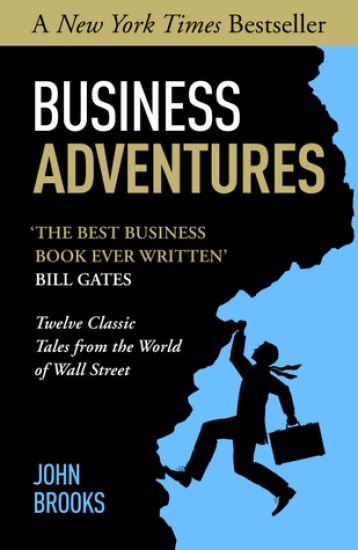
"Business Adventures remains the best business book I've ever read." --Bill Gates, The Wall Street Journal What do the $350 million Ford Motor Company disaster known as the Edsel, the fast and incredible rise of Xerox, and the unbelievable scandals at General Electric and Texas Gulf Sulphur have in common? Each is an example of how an iconic company was defined by a particular moment of fame or notoriety; these notable and fascinating accounts are as relevant today to understanding the intricacies of corporate life as they were when the events happened. Stories about Wall Street are infused with drama and adventure and reveal the machinations and volatile nature of the world of finance. Longtime New Yorker contributor John Brooks's insightful reportage is so full of personality and critical detail that whether he is looking at the astounding market crash of 1962, the collapse of a well-known brokerage firm, or the bold attempt by American bankers to save the British pound, one gets the sense that history repeats itself. Five additional stories on equally fascinating subjects round out this wonderful collection that will both entertain and inform readers . . . Business Adventures is truly financial journalism at its liveliest and best.
Your Guide to Stratford Upon Avon

Your Guide to Stratford Upon Avon

John Brooks

Pitkin Publishing
2008
nidottu
Set on a beautiful river at the very heart of England, Stratford would be visited by tourists even if the world's greatest playwright had not been born in the town in 1564. Take a guided walk around the town and then tour the surorrounding area using this invaluable book.
Dreadnought Gunnery and the Battle of Jutland
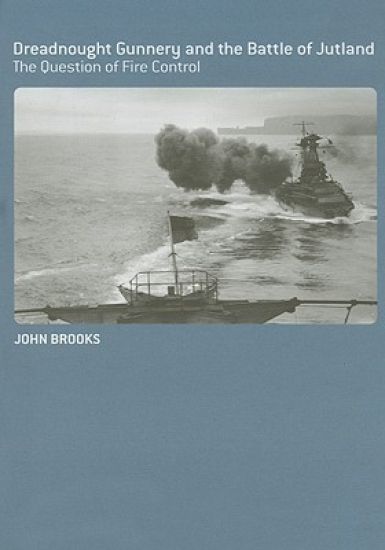
This new book reviews critically recent studies of fire control, and describes the essentials of naval gunnery in the dreadnought era.With a foreword by Professor Andrew Lambert, it shows how, in 1913, the Admiralty rejected Arthur Pollen's Argo system for the Dreyer fire control tables. Many naval historians now believe that, consequently, British dreadnoughts were fitted with a system that, despite being partly plagiarised from Pollen's, was inferior: and that the Dreyer Tables were a contributory cause in the sinking of Indefatigable and Queen Mary at Jutland. This book provides new and revisionist accounts of the Dreyer/Pollen controversy, and of gunnery at Jutland. In fire control, as with other technologies, the Royal Navy had been open, though not uncritically, to innovations. The Dreyer Tables were better suited to action conditions (particularly those at Jutland). Beatty's losses were the result mainly of deficient tactics and training: and his battlecruisers would have been even more disadvantaged had they been equipped by Argo. It follows the development of the Pollen and Dreyer systems, refutes the charges of plagiarism and explains Argo's rejection. It outlines the German fire control system: and uses contemporary sources in a critical reassessment of Beatty's tactics throughout the Battle of Jutland.
Dreadnought Gunnery and the Battle of Jutland
This new book reviews critically recent studies of fire control, and describes the essentials of naval gunnery in the dreadnought era.With a foreword by Professor Andrew Lambert, it shows how, in 1913, the Admiralty rejected Arthur Pollen's Argo system for the Dreyer fire control tables. Many naval historians now believe that, consequently, British dreadnoughts were fitted with a system that, despite being partly plagiarised from Pollen's, was inferior: and that the Dreyer Tables were a contributory cause in the sinking of Indefatigable and Queen Mary at Jutland. This book provides new and revisionist accounts of the Dreyer/Pollen controversy, and of gunnery at Jutland. In fire control, as with other technologies, the Royal Navy had been open, though not uncritically, to innovations. The Dreyer Tables were better suited to action conditions (particularly those at Jutland). Beatty's losses were the result mainly of deficient tactics and training: and his battlecruisers would have been even more disadvantaged had they been equipped by Argo. It follows the development of the Pollen and Dreyer systems, refutes the charges of plagiarism and explains Argo's rejection. It outlines the German fire control system: and uses contemporary sources in a critical reassessment of Beatty's tactics throughout the Battle of Jutland.
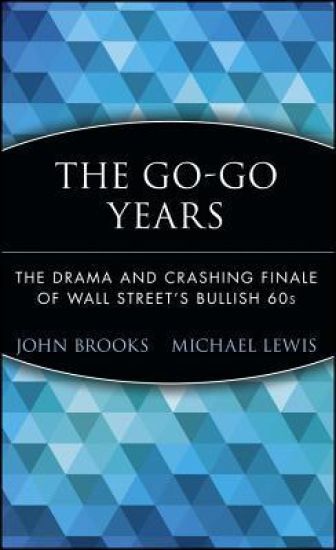
The Go-Go Years

The Go-Go Years

John Brooks; Michael Lewis

John Wiley Sons Inc
1999
nidottu
The Go-Go Years "The Go-Go Years is not to be read in the usual manner of Wall Street classics. You do not read this book to see our present situation reenacted in the past, with only the names changed. You read it because it is a wonderful description of the way things were in a different time and place." —From the Foreword by Michael Lewis The Go-Go Years is the harrowing and humorous story of the growth stocks of the 1960s and how their meteoric rise caused a multitude of small investors to thrive until the devastating market crashes in the 1970s. It was a time when greed drove the market and fast money was being made and lost as the "go-go" stocks surged and plunged. Included are the stories of such high-profile personalities as H. Ross Perot who lost $450 million in one day, Saul Steinberg’s attempt to take over Chemical Bank, and the fall of America’s "Last Gatsby, " Eddie Gilbert. Praise for The Go-Go Years "Those for whom the stock market is mostly a spectator sport will relish the book’s verve, color, and memorable one-liners." —New York Review of Books "Please don’t take The Go-Go Years too much for granted: as effortlessly as it seems to fly, it is nonetheless an unusually complex and thoughtful work of social history." —New York Times "Brooks’s great contribution is his synthesis of all the elements that made the 1960s the most volatile in Wall Street history and making so much material easily digestible for the uninitiated." —Publishers Weekly "Brooks is about the only writer around who combines a thorough knowledge of finance with the ability to perceive behind the dance of numbers ‘high, pure, moral melodrama on the themes of possession, domination, and belonging.’" —Time
The Go-Go Years

The Go-Go Years

John Brooks; Michael Lewis

John Wiley Sons Inc
1999
sidottu
Praise for The Go-Go Years "Those for whom the stock market is mostly a spectator sport will relish the book’s verve, color, and memorable one-liners."—New York Review of Books "Please don’t take The Go-Go Years too much for granted: as effortlessly as it seems to fly, it is nonetheless an unusually complex and thoughtful work of social history." —New York Times "Brooks’s great contribution is his synthesis of all the elements that made the 1960s the most volatile in Wall Street history . . . and making so much material easily digestible for the uninitiated."—Publishers Weekly "Brooks . . . is about the only writer around who combines a thorough knowledge of finance with the ability to perceive behind the dance of numbers ‘high, pure, moral melodrama on the themes of possession, domination, and belonging.’" —Time
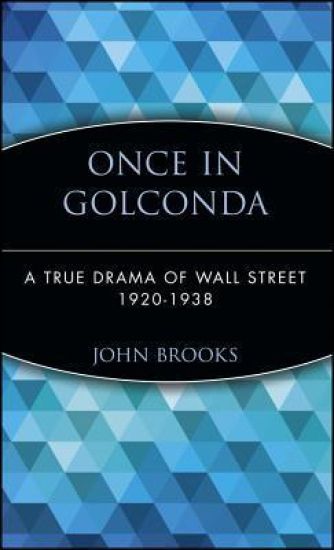
Once in Golconda

Once in Golconda

John Brooks

John Wiley Sons Inc
1999
sidottu
"In this book, John Brooks—who was one of the most elegant of all business writers—perfectly catches the flavor of one of history’s best-known financial dramas: the 1929 crash and its aftershocks. It’s packed with parallels and parables for the modern reader." —Richard Lambert Editor-in-Chief, The Financial Times Praise for Once in Golconda "A fast-moving, sophisticated account embracing the stock-market boom of the twenties, the crash of 1929, the Depression, and the coming of the New Deal. Its leitmotif is the truly tragic personal history of Richard Whitney, the aristocrat Morgan broker and head of the Stock Exchange, who ended up in Sing Sing." —Edmund Wilson, writing in the New Yorker "As Mr. Brooks tells this tale of dishonor, desperation, and the fall of the mighty, it takes on overtones of Greek tragedy, a king brought down by pride. Whitney’s sordid history has been told before. But in Mr. Brooks’s hands, the drama becomes freshly shocking." —Wall Street Journal "It’s all there in Once in Golconda: the avarice of an era that favored the rich; and the later anguish of myriads of speculators doomed by a bloated market, easy credit, and their own cupidity and stupidity. The book, which is great reading, has a real message, especially for a generation of speculators that know neither the pangs and privations of a depression nor of blue chip stocks that drop fifty points in a single day’s trading." —Saturday Review "Mr. Brooks has convinced me, absolutely, that Richard Whitney ranks in the highest pantheon of American symbols—like Lincoln and Bryan and Melville and Hemingway and Yellow Kid Weft, Buffalo Bill, and Horatio Alger and even Babe Ruth. In him, the upper-class con crested—and America’s last chance to do it right the first time ended." —Harper’s
Once in Golconda

Once in Golconda

John Brooks

John Wiley Sons Inc
1999
nidottu
Once in Golconda "In this book, John Brooks—who was one of the most elegant of all business writers—perfectly catches the flavor of one of history’s best-known financial dramas: the 1929 crash and its aftershocks. It’s packed with parallels and parables for the modern reader." —From the Foreword by Richard Lambert Editor-in-Chief, The Financial Times Once in Golconda is a dramatic chronicle of the breathtaking rise, devastating fall, and painstaking rebirth of Wall Street in the years between the wars. Focusing on the lives and fortunes of some of the era’s most memorable traders, bankers, boosters, and frauds, John Brooks brings to vivid life all the ruthlessness, greed, and reckless euphoria of the ’20s bull market, the desperation of the days leading up to the crash of ’29, and the bitterness of the years that followed. Praise for Once in Golconda "A fast-moving, sophisticated account embracing the stock-market boom of the twenties, the crash of 1929, the Depression, and the coming of the New Deal. Its leitmotif is the truly tragic personal history of Richard Whitney, the aristocrat Morgan broker and head of the Stock Exchange, who ended up in Sing Sing." —Edmund Wilson, writing in the New Yorker "As Mr. Brooks tells this tale of dishonor, desperation, and the fall of the mighty, it takes on overtones of Greek tragedy, a king brought down by pride. Whitney’s sordid history has been told before .But in Mr. Brooks’s hands, the drama becomes freshly shocking." —Wall Street Journal "It’s all there in Once in Golconda—the avarice of an era that favored the rich; and the later anguish of myriads of speculators doomed by a bloated market, easy credit, and their own cupidity and stupidity." —Saturday Review