Kirjojen hintavertailu. Mukana 12 390 323 kirjaa ja 12 kauppaa.

Kirjailija

John C. Peckham

Kirjat ja teokset yhdessä paikassa: 10 kirjaa, julkaisuja vuosilta 2014-2025, suosituimpien joukossa Hvorfor vi ber. Vertaile teosten hintoja ja tarkista saatavuus suomalaisista kirjakaupoista.

10 kirjaa

Kirjojen julkaisuhaarukka 2014-2025.

Hvorfor vi ber

Hvorfor vi ber

John C. Peckham

Norsk bokforlag
2025
nidottu
Hvis Gud er allmektig, allvitende og fullstendig god, hvorfor trengervi da å be Gud om å gjøre gode ting? Vil ikke Gud uansett handle påden beste måten? Har våre bønner noen betydning? Hvorfor blir noenbønner ikke besvart? Denne boken gir et nytt perspektiv på vårespørsmål og hjelper oss å tenke annerledes om hvorfor vi ber og hvasom skjer når vi ber.«Mange bøker som prøver å ta opp dette emnet, velger en lettere, meroppbyggelig tilnærming,» skriver Richard Propes i The Independent Critic.«Peckham gjør et dyptgående skriftstudium som jeg tror vil appellere tilkristne på tvers av det teologiske spekteret. Hvorfor vi ber er både dyptføltog teologisk tilfredsstillende. Peckham tar direkte opp spørsmålet omubesvarte bønner, og maler et fantastisk portrett av en Gud som blir påvirketav våre ord og handlinger og er i relasjon med oss… Jeg ble slått av hvormye jeg følte at jeg hadde lært, eller blitt utfordret til å lære av boken, ogogså hvor inspirert til å lære og be jeg ble ved slutten.»Den norske oversetteren skriver: Selv om oversettelsen har vært krevende«…har den likevel vært en velsignelse å jobbe med. Det har vært frisketanker rundt Guds fravær og manglende bønnesvar. Jeg håper derfor at denkan være til nytte også for andre.»Denne boken var finalist til tittelen Årets bok 2024 i klassen teologi imagasinet Christianity Today.
Why We Pray

Why We Pray

John C. Peckham

BAKER PUBLISHING GROUP
2024
nidottu
Christianity Today 2025 Book Award Finalist (Academic Theology)If God is all-powerful, all-knowing, and entirely good, why do we need to ask God to do good things? Won't God act for the best regardless? Do our prayers even make a difference? Why do some go unanswered? This brief, accessible book provides a fresh angle on our questions to help us think differently about why we pray and what happens when we pray.John Peckham applies the insights from his successful book Theodicy of Love to the perennial problem of petitionary prayer, offering practical implications for how we might pray and live in ways that advance God's kingdom of unselfish love. Since our understanding of petitionary prayer is inseparable from our understanding of God, Peckham sheds significant light on the nature and character of God and the often-mysterious workings of divine providence. He does so by bringing theological and philosophical nuance to readings of key biblical texts on prayer, weaving in other scriptural clues to articulate an understanding of prayer that highlights not only its necessity but also its urgency. This book will appeal to students, pastors, church leaders, and thoughtful laypeople.
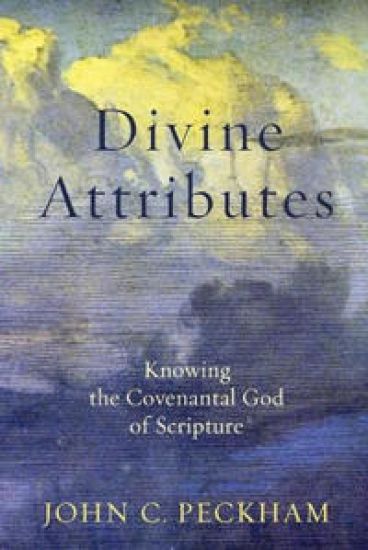
Divine Attributes – Knowing the Covenantal God of Scripture

Divine Attributes – Knowing the Covenantal God of Scripture

John C. Peckham

Baker Academic, Div of Baker Publishing Group
2021
nidottu
This book offers a clear and constructive account of the nature and attributes of God. It addresses the doctrine of God from exegetical, historical, and constructive-theological perspectives, bringing the biblical portrayal of God in relationship to the world into dialogue with prominent philosophical and theological questions. The book engages questions such as: Does God change? Does God have emotions? Does God know the future? Is God entirely good and loving? How can God be one and three? Chapters correspond to the major metaphysical and moral attributes of God.
The Doctrine of God

The Doctrine of God

John C. Peckham

T. T.Clark Ltd
2019
sidottu
John C. Peckham introduces and engages with major questions about God’s nature and how God relates to the world. Does God change? Does God have emotions? Can God do anything? Does God know the future? Does God always attain what God desires? And is God entirely good? This textbook provides a clear and concise overview of the issues involved in these and other questions, exploring prominent contemporary approaches to the main issues relative to how to conceive of the God-world relationship within Christian theology. In so doing, Peckham surveys a range of live options regarding each of the primary questions, briefly considering where each falls within the spectrum of the Christian tradition and providing clear and readily understandable explanations of the technical issues involved. The result is a stimulating survey of the most prominent options in Christian theology relative to divine attributes and the God-world relationship, offered in an accessible format for students. Designed for classroom use this volume includes the following features: - study questions for each chapter - suggestions for further reading for each chapter - glossary
The Doctrine of God

The Doctrine of God

John C. Peckham

T. T.Clark Ltd
2019
nidottu
John C. Peckham introduces and engages with major questions about God’s nature and how God relates to the world. Does God change? Does God have emotions? Can God do anything? Does God know the future? Does God always attain what God desires? And is God entirely good? This textbook provides a clear and concise overview of the issues involved in these and other questions, exploring prominent contemporary approaches to the main issues relative to how to conceive of the God-world relationship within Christian theology. In so doing, Peckham surveys a range of live options regarding each of the primary questions, briefly considering where each falls within the spectrum of the Christian tradition and providing clear and readily understandable explanations of the technical issues involved. The result is a stimulating survey of the most prominent options in Christian theology relative to divine attributes and the God-world relationship, offered in an accessible format for students. Designed for classroom use this volume includes the following features: - study questions for each chapter - suggestions for further reading for each chapter - glossary
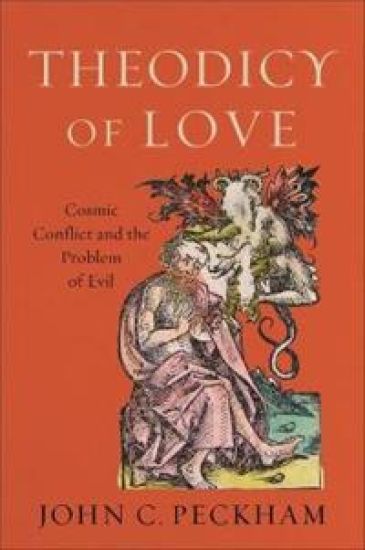
Theodicy of Love – Cosmic Conflict and the Problem of Evil

Theodicy of Love – Cosmic Conflict and the Problem of Evil

John C. Peckham

Baker Academic, Div of Baker Publishing Group
2018
nidottu
If God is all powerful and entirely good and loving, why is there so much evil in the world? Based on a close canonical reading of Scripture, this book offers a new approach to the challenge of reconciling the Christian confession of a loving God with the realities of suffering and evil. John Peckham offers a constructive proposal for a theodicy of love that upholds both the sovereignty of God and human freedom, showing that Scripture points toward a framework for thinking about God's love in relation to the world.
Canonical Theology

Canonical Theology

John C. Peckham

William B Eerdmans Publishing Co
2016
nidottu
What are the roles of canon and community in the understanding and articulation of Christian doctrine? Should the church be the doctrinal arbiter in the twenty-first century? In Canonical Theology John Peckham tackles this complex, ongoing discussion by shedding light on issues surrounding the biblical canon and the role of the community for theology and practice. Peckham examines the nature of the biblical canon, the proper relationship of Scripture and tradition, and the interpretation and application of Scripture for theology. He lays out a compelling canonical approach to systematic theology -- including an explanation of his method, a step-by-step account of how to practice it, and an example of what theology derived from this canonical approach looks like.
The Love of God – A Canonical Model

The Love of God – A Canonical Model

John C. Peckham

Inter-Varsity Press,US
2015
nidottu
Readers' Choice Award Winner "For God so loved the world . . ." We believe these words, but what do they really mean? Does God choose to love, or does God love necessarily? Is God's love emotional? Does the love of God include desire or enjoyment? Is God's love conditional? Can God receive love from human beings? Attempts to answer these questions have produced sharply divided pictures of God's relationship to the world. One widely held position is that of classical theism, which understands God as necessary, self-sufficient, perfect, simple, timeless, immutable and impassible. In this view, God is entirely unaffected by the world and his love is thus unconditional, unilateral and arbitrary. In the twentieth century, process theologians replaced classical theism with an understanding of God as bound up essentially with the world and dependent on it. In this view God necessarily feels all feelings and loves all others, because they are included within himself. In The Love of God, John Peckham offers a comprehensive canonical interpretation of divine love in dialogue with, and at times in contrast to, both classical and process theism. God's love, he argues, is freely willed, evaluative, emotional and reciprocal, given before but not without conditions. According to Peckham's reading of Scripture, the God who loves the world is both perfect and passible, both self-sufficient and desirous of reciprocal relationships with each person, so that "whoever believes in him shall not perish, but have eternal life."
The Concept of Divine Love in the Context of the God-World Relationship
The Concept of Divine Love in the Context of the God-World Relationship addresses the significant and far-reaching theological conflict over the nature of God’s love, which is deeply rooted in broader conflicts regarding divine ontology and the nature of the God-world relationship. After engaging the traditional historical theology of love and recent exemplars of competing and influential conceptions of divine love, John C. Peckham seeks an alternative to the impasse by an extensive inductive investigation of the entire biblical canon in accordance with a final-form canonical approach to systematic theology, offering an alternative model of divine love that draws on the richness of the biblical text as canon and holds considerable implications for the God-world relationship.