Kirjojen hintavertailu. Mukana 12 595 353 kirjaa ja 12 kauppaa.

Kirjailija

John Cammack

Kirjat ja teokset yhdessä paikassa: 9 kirjaa, julkaisuja vuosilta 2003-2020, suosituimpien joukossa Building Financial Management Capacity for NGOs and Community Organizations. Vertaile teosten hintoja ja tarkista saatavuus suomalaisista kirjakaupoista.

9 kirjaa

Kirjojen julkaisuhaarukka 2003-2020.

Building Financial Management Capacity for NGOs and Community Organizations
This book presents practical ways to build financial management capacity in an international development context (although much of it applies to any non-profit organization). It describes good practice in the specific tasks of financial management - for example, planning and budgeting and financial controls. It gives examples of how groups and organizations build their own capacity. It also considers what leadership teams can do to guide their organization's longer-term direction and improve governance and it describes other financial management aspects such as building reserves that can be built into an organization's structure to make it more sustainable. Building Financial Management Capacity should be read by programme staff and managers of non-government organizations, larger community-based organizations (CBOs), and charities, as well as for large NGOs and donors working with their partner NGOs and CBOs. The content can also be used in training courses, and university and college courses for international development workers.
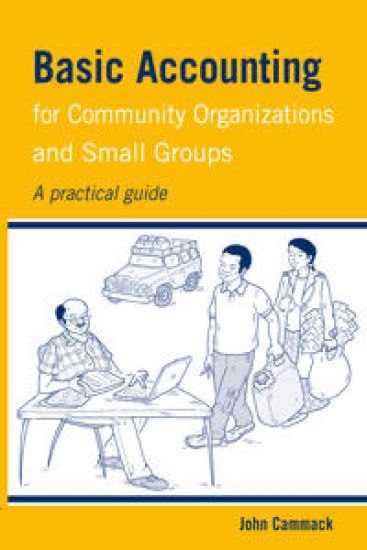
Basic Accounting for Community Organizations and Small Groups
The success of any venture, whatever its size, depends on proper financial control. This book offers a step-by-step guide to basic accounting and financial management techniques. It is written in plain language for people who have no previous experience of accounting and book-keeping. Using simple case studies, the author shows how to: construct a budget and cash-flow forecast; record and control cash payments; draw up an analysed cash book, and a receipts and payments account; operate a bank account; and prepare a budget and actual statement. Each section is followed by activities to practise the material covered. Full solutions and notes for trainers and facilitators are also included. Basic Accounting is suitable for training non-governmental organizations in an international development context. However the procedures described in this book are not specific to development programmes. This book should be useful to any small group that needs to keep accurate records of its financial transactions.
Building Financial Management Capacity for NGOs and Community Organizations
This book presents practical ways to build financial management capacity in an international development context (although much of it applies to any non-profit organization). It describes good practice in the specific tasks of financial management - for example, planning and budgeting and financial controls. It gives examples of how groups and organizations build their own capacity.Strengthening financial management capacity is key to achieving more effective organizations. With strong financial management capacity, the group or organization becomes more able to control its own affairs. Without it, the future is often uncertain: it may be impossible to predict when money will be short and, crucially, it may become impossible to fund programs. Building Financial Management Capacity should be read by program staff and managers of non-government organizations, larger community-based organizations (CBOs), and charities, as well as for large NGOs and donors working with their partner NGOs and CBOs. The content can also be used in training courses, and university and college courses for international development workers.
Basic Accounting for Community Organizations and Small Groups
This book offers a step-by-step guide to basic accounting and financial management techniques. It is written in plain language for people who have no previous experience of accounting and book-keeping. The procedures described in this book are not just specific to development programs.The success of any venture, whatever its size, depends on proper financial control. Using simple case studies, the author shows how to: construct a budget and cash-flow forecast; record and control cash payments; draw up an analyzed cash book, and a receipts and payments account; operate a bank account; and prepare a budget and actual statement. Each section is followed by activities to practice the material covered. Full solutions and notes for trainers and facilitators are also included. Basic Accounting is suitable for training non-governmental organizations in an international development context. This book should be useful to any small group that needs to keep accurate records of its financial transactions.
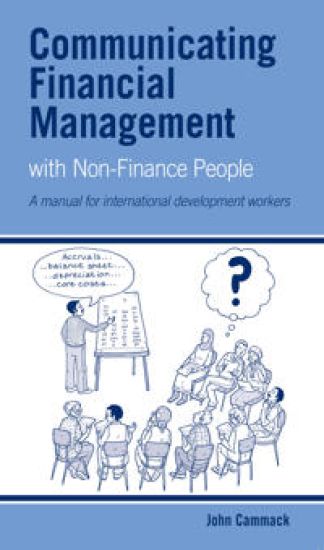
Communicating Financial Management with Non-finance People

Communicating Financial Management with Non-finance People

John Cammack

Practical Action Publishing
2012
nidottu
Strong financial management skills are essential to promote high programme standards in international development organizations. Many non-finance people find numbers and financial techniques difficult, however, NGO managers and other staff are responsible for sound financial management and without full understanding their programmes will be at best less effective, and at worst vulnerable to going unfunded. Just providing more skills training does not address all the issues. Poor communication about financial information, by both finance and non-finance people, often seems to cause a block. This book helps people speak and write financial information better, avoiding jargon, and preventing their listeners from 'switching off'. It explains why messages about finance may not be received as they were intended when working cross-culturally and outlines how information can be tailored to different audiences. It outlines how to design training sessions that improve understanding and collaboration between finance and non-finance people, including partner organizations, trustees, and staff.This book shoud be read by non-finance and finance managers and staff within non-profit organizations internationally, as well as other organizations.
Building Capacity through Financial Management
Much has been written about capacity building but little on how to use financial management to build capacity. Donors are increasingly requiring their non-profit beneficiaries to have sound financial systems before they will provide funds. This guide provides an overview of financial management and the practical tools that can help build the financial capacity of non-profit organisations. Using case studies to demonstrate good practice, this guide will offer practical advice in how to work with a partner organisation to build its financial capacity. It will also detail tools and techniques for using financial skills to improve organisational and programme management. The guide is intended for managers and trustees of non-profit organisations, providing tools and techniques for them to build their own financial system and for those assessing another organisation's financial capacity.
Basic Accounting for Small Groups

Basic Accounting for Small Groups

John Cammack

Oxfam Professional
2003
nidottu
The success of any venture, whatever its size, depends on proper financial control. This book offers a step-by-step guide to basic accounting and financial management techniques. It is written in plain language for people who have no previous experience of accounting and book-keeping. Using simple case-studies the author shows how to: construct a budget and cash-flow forecast record and control cash payments, draw up an analysed cash book and a receipts and payments account, operate a bank account, prepare a budget and actual statement. In this second edition of the best-selling book, first published in 1992, each section is followed by summaries of key points and activities to practise the material covered. Solutions are also included. The systems described are not specific to development programmes. This book should be useful to any small group which needs to keep accurate records of its financial transactions.