Kirjojen hintavertailu. Mukana 12 657 676 kirjaa ja 12 kauppaa.

Kirjailija

John Cook

Kirjat ja teokset yhdessä paikassa: 40 kirjaa, julkaisuja vuosilta 1999-2023, suosituimpien joukossa Sally. Vertaile teosten hintoja ja tarkista saatavuus suomalaisista kirjakaupoista.

40 kirjaa

Kirjojen julkaisuhaarukka 1999-2023.

Climate Change Science: A Modern Synthesis

Climate Change Science: A Modern Synthesis

G. Thomas Farmer; John Cook

Springer
2015
nidottu
An introduction to the principles of climate change science with an emphasis on the empirical evidence for climate change and a warming world. Additional readings are given at the end of each chapter. A list of "Things to Know" opens each chapter. Chapters are arranged so that the student is first introduced to the scientific method(s), examples of the use of the scientific method from other sciences drawn from the history of science with an emphasis on climate science. Climate science is treated in each chapter based on the premise of global warming. Chapter treatments on the atmosphere. biosphere, geosphere, hydrosphere, and anthroposphere and their inter-relationships are given.

Climate Change Science: A Modern Synthesis

Climate Change Science: A Modern Synthesis

G. Thomas Farmer; John Cook

Springer
2013
sidottu
An introduction to the principles of climate change science with an emphasis on the empirical evidence for climate change and a warming world. Additional readings are given at the end of each chapter. A list of "Things to Know" opens each chapter. Chapters are arranged so that the student is first introduced to the scientific method(s), examples of the use of the scientific method from other sciences drawn from the history of science with an emphasis on climate science. Climate science is treated in each chapter based on the premise of global warming. Chapter treatments on the atmosphere. biosphere, geosphere, hydrosphere, and anthroposphere and their inter-relationships are given.
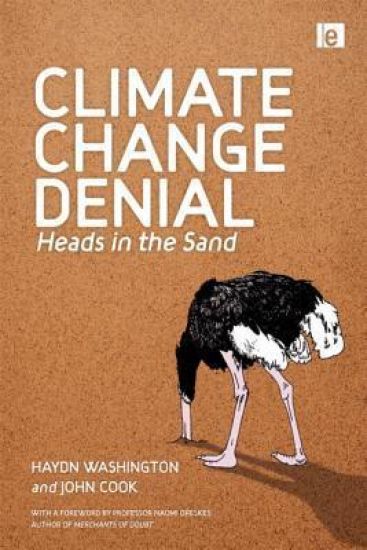
Climate Change Denial

Climate Change Denial

Haydn Washington; John Cook

Earthscan Ltd
2011
nidottu
Humans have always used denial. When we are afraid, guilty, confused, or when something interferes with our self-image, we tend to deny it. Yet denial is a delusion. When it impacts on the health of oneself, or society, or the world it becomes a pathology. Climate change denial is such a case. Paradoxically, as the climate science has become more certain, denial about the issue has increased. The paradox lies in the denial. There is a denial industry funded by the fossil fuel companies that literally denies the science, and seeks to confuse the public. There is denial within governments, where spin-doctors use 'weasel words' to pretend they are taking action. However there is also denial within most of us, the citizenry. We let denial prosper and we resist the science. Climate Change Denial explains the social science behind denial. It contains a detailed examination of the principal climate change denial arguments, from attacks on the integrity of scientists, to impossible expectations of proof and certainty to the cherry picking of data. Climate change can be solved – but only when we cease to deny that it exists. This book shows how we can break through denial, accept reality, and thus solve the climate crisis. It will engage scientists, university students, climate change activists as well as the general public seeking to roll back denial and act.
Climate Change Denial

Climate Change Denial

Haydn Washington; John Cook

Earthscan Ltd
2011
sidottu
Humans have always used denial. When we are afraid, guilty, confused, or when something interferes with our self-image, we tend to deny it. Yet denial is a delusion. When it impacts on the health of oneself, or society, or the world it becomes a pathology. Climate change denial is such a case. Paradoxically, as the climate science has become more certain, denial about the issue has increased. The paradox lies in the denial. There is a denial industry funded by the fossil fuel companies that literally denies the science, and seeks to confuse the public. There is denial within governments, where spin-doctors use 'weasel words' to pretend they are taking action. However there is also denial within most of us, the citizenry. We let denial prosper and we resist the science. Climate Change Denial explains the social science behind denial. It contains a detailed examination of the principal climate change denial arguments, from attacks on the integrity of scientists, to impossible expectations of proof and certainty to the cherry picking of data. Climate change can be solved – but only when we cease to deny that it exists. This book shows how we can break through denial, accept reality, and thus solve the climate crisis. It will engage scientists, university students, climate change activists as well as the general public seeking to roll back denial and act.
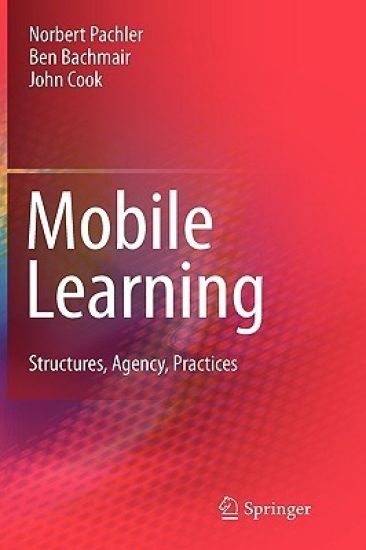
Mobile Learning

Mobile Learning

Norbert Pachler; Ben Bachmair; John Cook

Springer-Verlag New York Inc.
2009
sidottu
As with television and computers before it, today’s mobile technology challenges educators to respond and ensure their work is relevant to students. What’s changed is that this portable, cross-contextual way of engaging with the world is driving a more proactive approach to learning on the part of young people. The first full-length authored treatment of the relationship between the centrality of technological development in daily life and its potential as a means of education, Mobile Learning charts the rapid emergence of new forms of mass communication and their potential for gathering, shaping, and analyzing information, studying their transformative capability and learning potential in the contexts of school and socio-cultural change. The focus is on mobile/cell phones, PDAs, and to a lesser extent gaming devices and music players, not as "the next new thing" but meaningfully integrated into education, without objectifying the devices or technology itself. And the book fully grounds readers by offering theoretical and conceptual models, an analytical framework for understanding the issues, recommendations for specialized resources, and practical examples of mobile learning in formal as well as informal educational settings, particularly with at-risk students. Among the topics covered: • Core issues in mobile learning • Mobile devices as educational resources • Socioeconomic approaches to mobile learning • Creating situations that promote mobile learning • Ubiquitous mobility and its implications for pedagogy • Bridging the digital divide at the policy level Mobile Learning is a groundbreaking volume, sure to stimulate both discussion and innovation among educational professionals interested in technology in the context of teaching and learning.