Kirjojen hintavertailu. Mukana 12 640 800 kirjaa ja 12 kauppaa.
Kirjailija
John Davidson
Kirjat ja teokset yhdessä paikassa: 985 kirjaa, julkaisuja vuosilta 1987-2026, suosituimpien joukossa Bruce. Vertaile teosten hintoja ja tarkista saatavuus suomalaisista kirjakaupoista.
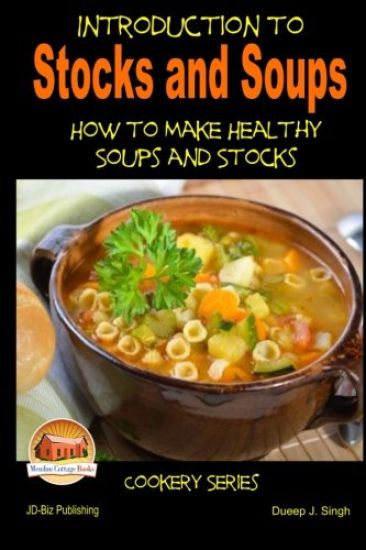
Introduction to Stocks and Soups - Learning more about Healthy Soups and Stock Making Table of Contents Introduction What Goes in the Stockpot How to Prevent Stock from Turning Sour How to Make Good Stock Brown Stock White Stock How to make A Meat Glaze Making Perfect Soup Soup Classifications Food Value of Thick and Clear Soups Essentials of a Well-Prepared Soup Why Does the Consistency Vary? Color Liaison Varieties of Liaison Tips When Using Liaisons Roux Proportions of Ingredients for Liaison Consomm Broth Blanching Traditional Mutton Broth Pur es Vegetable Pur es Pulse pur es Pea or Lentil Soup Thick Soups Cream Soups Tapioca Soup Bisques Lobster Bisque How to Sieve Soup Properly Conclusion Author Bio- Introduction Nobody knows when human beings began to make stocks and soups from meat and vegetables. This secret is lost in the mist of the ages. Stock is a liquid which is obtained when you boil vegetable or meat over heat for a long time. This is going to contain some of the most important and soluble nutrients and flavoring constituents of the foods which have undergone the boiling process. These nutrients have been extracted by prolonged and gentle simmering. http: //www.123rf.com/photo_14885901_vegetable-soup.html Such a liquid is the foundation of soups, sauces and gravies in cuisines all over the world. The ancient Romans regarded a really good cook as a pearl beyond compare. Only he knew all about the herbs and spices which he was going to use in making a stock which would be then be used to make a gravy on which emperors would dine. So is it a wonder that the first part of learning cookery is to know how to make a good stock. The method of preparation is based upon the solvent action of the water and the prolonged application of moderate and moist heat. The gelatinous, lean and muscular tissue parts of the meat with a certain proportion of bone are most suitable to make the stock. In ancient times, people who could not afford better cuts of meat, which went to the rich had to make do with the leftovers which were bones and pieces of lean meat. So it is natural that they tried to make these pieces very tasty by first boiling them in water. Then they added some herbs and some vegetables and then they added any available in gradient which could add to the rich flavor and aroma of something being cooked slowly on a fire. Lo and behold, the first stock was made with the slow simmering of all these ingredients mixed together. The importance of soup all over the world, especially in folklore cannot be disregarded. You may want to enjoy the traditional stories here about soup, from different parts of the world. http: //www.pitt.edu/ dash/type1548.html#stonesoup Herbs and spices are not generally used for meat stock, nowadays though they were used in ancient times. Also, today they are added with discretion in fish and vegetable stocks, but like I said, in ancient times, everything went into the cooking pot and was stewed for a long time, before fed to a hungry family. The vegetables should be fresh, not necessarily young and expensive and the trimmings and coarse stalks can be utilized. Ages ago, the food gatherer went hunting for roots, edible vegetables and other greens in the woods, and all of them were added to the cooking pot. Each portion of the plant including roots, shoots, and leaves, stems, flowers and bark if edible were utilized. The vegetables generally used for making stock are carrots, onions, turnip and celery. Make sure that no flavor predominates. Turnip and celery, if it is old is particularly strong and should not be used in large quantities. Vegetables are very absorbent of meaty flavors. That is why they should not remain too long in the stock while it is cooking. This is the same reason why cooks do not let them steep for long in the stock, after the stock has been removed from the fire.
Beautiful, Budget-friendly Weddings Table of Contents Introduction Chapter 1 What is a budget-friendly wedding Chapter 2 How to have a budget-friendly wedding Chapter 3 Before the big day Chapter 4 THE dress Chapter 5 The wedding party Chapter 6 Goin' to the chapel of love Chapter 7 Pictures, posies and pretties Chapter 8 Let's celebrate Conclusion Author Bio Publisher Introduction Weddings are a wonderful thing; the beginning of a new family-the ultimate commitment and declaration of love. But weddings are also something else. They are big business. Each year over 4 million couples in the U.S. say "I do". That's a pretty impressive number, but the fact that the average amount spent on these weddings is over $25,000 is almost unbelievable. It's also something else...absolutely absurd. There is absolute no plausible reason for spending that kind of money on a wedding even if you (or your dad) can afford to. Why would you do that considering the fact that it is completely possible to have a lovely, tasteful wedding for a fraction of the cost? Yes, it's true. You can get married in style without going into debt, 'robbing' your parents' retirement fund or starting your married life in a state of poverty (or at the very least, a stretched budget). Within the pages of this book you will find suggestions for cutting the costs of getting married without skimping on beauty and elegance.
Living Off the Land - A Beginner's Guide to Being Self-sufficient Table of Contents Introduction Chapter 1: It's What You Do With What You've Got That Matters Proper management includes keeping your pastures in good shape. Chapter 2: Moo, Bah, Cluck And Oink Chapter 3: Eat Your Veggies Chapter 4: Fruits, Herbs And Flowers Conclusion Author Bio Publisher Introduction There's a little bit of pioneer spirit in all of us. We can't help it...it's in our blood. For some this pioneer spirit shows itself in someone's determination to climb to the top of the corporate ladder. But for others, this pioneer spirit takes them back to their roots...literally; giving them the desire to be self-sufficient to the greatest extent possible. If you are reading this book you are most likely someone wanting to be more self-sufficient. Good for you With the cost of food going higher and higher every week (literally) and the nearly-constant revelations of the negative effects of chemicals, processed foods and other things we ingest, it's a shame more people aren't willing to do more to get back to the basics of providing for themselves. Yes, it's true you may raise a few eyebrows or be asked if you're hooked on reruns of "Little House on the Prairie", but that's okay. Besides, I bet those same people will be wishing they would have been a little less critical when you're giving away excess produce. Anyway...the purpose of this book is to give you the direction and encouragement you need to be able to be as self-sufficient as possible. So without further ado...let's get started.