Kirjailija
John Dwyer
Kirjat ja teokset yhdessä paikassa: 18 kirjaa, julkaisuja vuosilta 2000-2025, suosituimpien joukossa Anarchy-The Coming Terror. Vertaile teosten hintoja ja tarkista saatavuus suomalaisista kirjakaupoista.
18 kirjaa
Kirjojen julkaisuhaarukka 2000-2025.



Reprint of the original, first published in 1875.

Reprint of the original, first published in 1875.

Reprint of the original, first published in 1873.

Reprint of the original, first published in 1873.
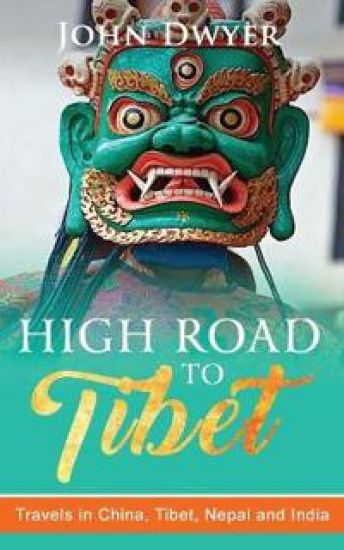
"John Dwyer might be just the ticket to fill Michael] Palin's well worn shoes" - HungryFeet.com Overland adventurer John Dwyer has less than three months to cross China, Tibet, Nepal and India and he has a to-do list: Drink snake bloodGet smuggled into TibetHike to Mount EverestWatch the dead burning by the GangesGet from China to India in ten weeksRanging from the Great Wall of China to the Taj Mahal, his journey takes him across Asia's most fascinating regions. Join him on his epic trek as he meets the ear cleaners of Chengdu, hikes into the peerless Himalayas, watches secretive ceremonies in Tibet, fends off a champion hawker at the Great Wall, and meets a woman that will change his life forever.
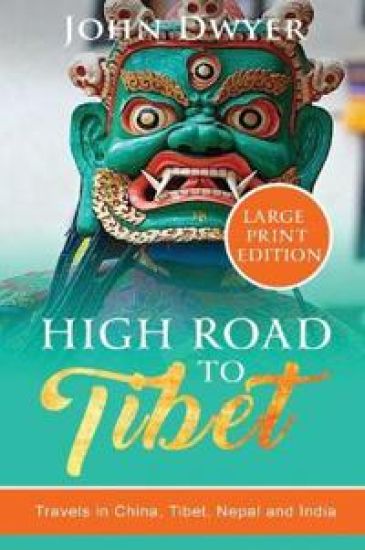
"John Dwyer might be just the ticket to fill Michael] Palin's well worn shoes" - HungryFeet.comOverland adventurer John Dwyer has less than three months to cross China, Tibet, Nepal and India and he has a to-do list: - Drink snake blood- Get smuggled into Tibet- Hike to Mount Everest- Watch the dead burning by the Ganges- Get from China to India in ten weeksRanging from the Great Wall of China to the Taj Mahal, his journey takes him across Asia's most fascinating regions. Join him on his epic trek as he meets the ear cleaners of Chengdu, hikes into the peerless Himalayas, watches secretive ceremonies in Tibet, fends off a champion hawker at the Great Wall, and meets a woman that will change his life forever.

Cape Town to Kruger: Backpacker Travels in South Africa and Swaziland
John Dwyer
Createspace Independent Publishing Platform
2015
nidottu
Join John Dwyer on his epic travels across South Africa, from vibrant Cape Town to wild Kruger Park. Through his engaging writing and sense of humour, the author takes you on an unforgettable journey through the spectacular scenery and tribal cultures of the "Rainbow Nation".He also offers an in-depth look at the history of apartheid and its effects on the people of South Africa. Sprinkled with quotes from Nelson Mandela, this is much more than a travel journal. If you're interested in the history of South Africa or have ever dreamed of visiting this exotic country, you'll love Cape Town to Kruger.

Klondike House - Memories of an Irish Country Childhood
John Dwyer
Createspace Independent Publishing Platform
2012
pokkari
In Klondike House, John Dwyer recounts his memories of growing up on the remote but beautiful Beara Peninsula in West Cork, Ireland. This was Ireland of the 1970s and 80s before the arrival of the short-lived economic riches of the Celtic Tiger.Dwyer's vivid and colorful prose describes his hard but happy life as part of a isolated but close-knit community: Early school days spent in a building with no running water or electricityAn encounter with a violent sheep that literally turned his world upside downThe days spent cutting the turf and saving the hay by handAn Irish Christmas where nearly everything on the table was sourced from the farmHis exciting family history that brought his relations to the Klondike Gold Rush in CanadaComplemented by a collection of evocative photographs, each story tells of a way of life that has now largely disappeared.Sprinkled with a selection of fitting works by some of Ireland's best-known poets such as Seamus Heaney and Patrick Kavanagh, this gem of a book is a chronicle of the simple but happy life of an Irish farmer boy

John Dwyer travels through Asia's most interesting and wildest regions. Follow his adventures as he passes through the sunken gorges of the Yangtze river, drinks snake blood in Chengdu, gets smuggled into Tibet illegally, watches mysterious ceremonies in Buddhist temples, reaches Everest Base Camp, climbs amongst the awe-inspiring Himalayas, and watches the dead being burned by the banks of the Ganges.


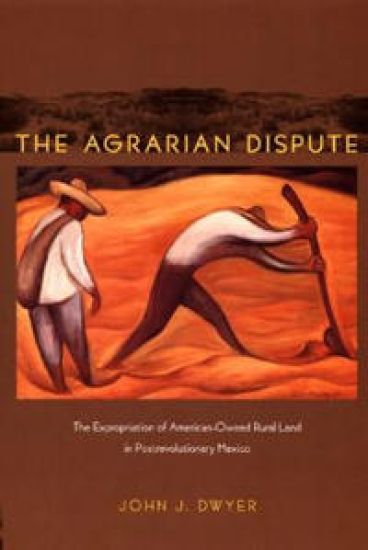
In the mid-1930s the Mexican government expropriated millions of acres of land from hundreds of U.S. property owners as part of President Lázaro Cárdenas’s land redistribution program. Because no compensation was provided to the Americans a serious crisis, which John J. Dwyer terms “the agrarian dispute,” ensued between the two countries. Dwyer’s nuanced analysis of this conflict at the local, regional, national, and international levels combines social, economic, political, and cultural history. He argues that the agrarian dispute inaugurated a new and improved era in bilateral relations because Mexican officials were able to negotiate a favorable settlement, and the United States, constrained economically and politically by the Great Depression, reacted to the crisis with unaccustomed restraint. Dwyer challenges prevailing arguments that Mexico’s nationalization of the oil industry in 1938 was the first test of Franklin Roosevelt’s Good Neighbor policy by showing that the earlier conflict over land was the watershed event.Dwyer weaves together elite and subaltern history and highlights the intricate relationship between domestic and international affairs. Through detailed studies of land redistribution in Baja California and Sonora, he demonstrates that peasant agency influenced the local application of Cárdenas’s agrarian reform program, his regional state-building projects, and his relations with the United States. Dwyer draws on a broad array of official, popular, and corporate sources to illuminate the motives of those who contributed to the agrarian dispute, including landless fieldworkers, indigenous groups, small landowners, multinational corporations, labor leaders, state-level officials, federal policymakers, and diplomats. Taking all of them into account, Dwyer explores the circumstances that spurred agrarista mobilization, the rationale behind Cárdenas’s rural policies, the Roosevelt administration’s reaction to the loss of American-owned land, and the diplomatic tactics employed by Mexican officials to resolve the international conflict.

In the mid-1930s the Mexican government expropriated millions of acres of land from hundreds of U.S. property owners as part of President Lázaro Cárdenas’s land redistribution program. Because no compensation was provided to the Americans a serious crisis, which John J. Dwyer terms “the agrarian dispute,” ensued between the two countries. Dwyer’s nuanced analysis of this conflict at the local, regional, national, and international levels combines social, economic, political, and cultural history. He argues that the agrarian dispute inaugurated a new and improved era in bilateral relations because Mexican officials were able to negotiate a favorable settlement, and the United States, constrained economically and politically by the Great Depression, reacted to the crisis with unaccustomed restraint. Dwyer challenges prevailing arguments that Mexico’s nationalization of the oil industry in 1938 was the first test of Franklin Roosevelt’s Good Neighbor policy by showing that the earlier conflict over land was the watershed event.Dwyer weaves together elite and subaltern history and highlights the intricate relationship between domestic and international affairs. Through detailed studies of land redistribution in Baja California and Sonora, he demonstrates that peasant agency influenced the local application of Cárdenas’s agrarian reform program, his regional state-building projects, and his relations with the United States. Dwyer draws on a broad array of official, popular, and corporate sources to illuminate the motives of those who contributed to the agrarian dispute, including landless fieldworkers, indigenous groups, small landowners, multinational corporations, labor leaders, state-level officials, federal policymakers, and diplomats. Taking all of them into account, Dwyer explores the circumstances that spurred agrarista mobilization, the rationale behind Cárdenas’s rural policies, the Roosevelt administration’s reaction to the loss of American-owned land, and the diplomatic tactics employed by Mexican officials to resolve the international conflict.