Kirjojen hintavertailu. Mukana 12 595 353 kirjaa ja 12 kauppaa.

Kirjailija

John Freeman-Moir

Kirjat ja teokset yhdessä paikassa: 2 kirjaa, julkaisuja vuosilta 2013-2015, suosituimpien joukossa Better Worlds. Vertaile teosten hintoja ja tarkista saatavuus suomalaisista kirjakaupoista.

2 kirjaa

Kirjojen julkaisuhaarukka 2013-2015.

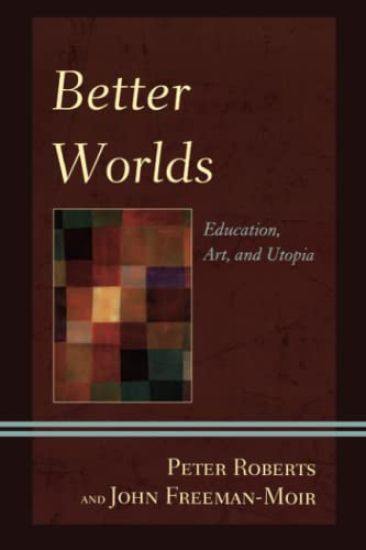
Better Worlds

Better Worlds

Peter Roberts; John Freeman-Moir

Lexington Books
2015
nidottu
Better Worlds: Education, Art, and Utopia provides a fresh examination of utopia and education. Adopting an interdisciplinary approach and drawing on literature and the visual arts as well as traditional non-fiction sources, the authors explore utopia not as a model of social perfection but as the active, imaginative building of better worlds. Utopian questions, they argue, lie at the heart of education, and addressing such questions demands attention not just to matters of theoretical principle but to the particulars of everyday life and experience. Taking utopia seriously in educational thought also involves a consideration of that which is dystopian. Utopia, this book suggests, is not something that is fixed, final, or ever fully realized; instead, it must be constantly recreated, and education, as an ongoing process of reflection, action, and transformation, has a central role to play in this process.
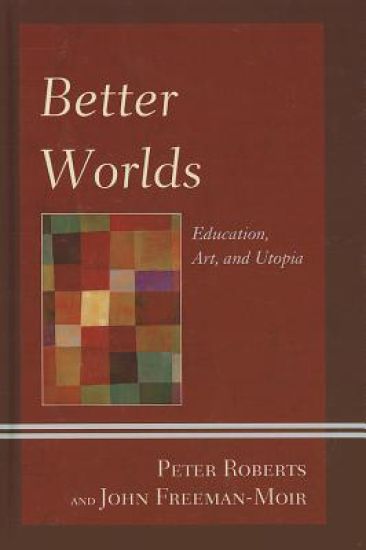
Better Worlds

Better Worlds

Peter Roberts; John Freeman-Moir

Lexington Books
2013
sidottu
Better Worlds: Education, Art, and Utopia provides a fresh examination of utopia and education. Adopting an interdisciplinary approach and drawing on literature and the visual arts as well as traditional non-fiction sources, the authors explore utopia not as a model of social perfection but as the active, imaginative building of better worlds. Utopian questions, they argue, lie at the heart of education, and addressing such questions demands attention not just to matters of theoretical principle but to the particulars of everyday life and experience. Taking utopia seriously in educational thought also involves a consideration of that which is dystopian. Utopia, this book suggests, is not something that is fixed, final, or ever fully realized; instead, it must be constantly recreated, and education, as an ongoing process of reflection, action, and transformation, has a central role to play in this process.