

Kirjailija
John Geiger
Kirjat ja teokset yhdessä paikassa: 9 kirjaa, julkaisuja vuosilta 2004-2026, suosituimpien joukossa A Peep at Mexico. Vertaile teosten hintoja ja tarkista saatavuus suomalaisista kirjakaupoista.
9 kirjaa
Kirjojen julkaisuhaarukka 2004-2026.



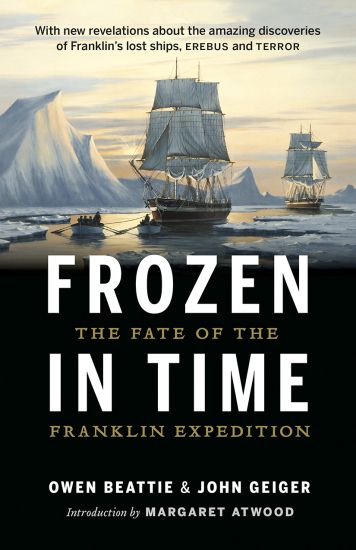
Frozen in Time: The Fate of the Franklin Expedition
Owen Beattie; John Geiger
Greystone Books
2017
nidottu
AN INTERNATIONAL BESTSELLER - "CHILLING ... WILL KEEP YOU UP AT NIGHT TURNING PAGES."--The Chicago Tribune This "remarkable piece of forensic deduction" (MARGARET ATWOOD) "captures the excitement and peril of the explorers' harrowing journey" aboard the HMS Erebus, and offers "a compelling explanation of what might have transpired over their final weeks and days (including, in a final act of desperation, cannibalism). It's a serious historical work, but also a riveting account of a truly extraordinary expedition." (THE NEW YORK TIMES) In 1845, Sir John Franklin and his men set out to "penetrate the icy fastness of the north, and to circumnavigate America." And then they disappeared. The truth about what happened to Franklin's ill-fated Arctic expedition was shrouded in mystery for more than a century. Then, in 1984, Owen Beattie and his team exhumed two crew members from a burial site in the North for forensic evidence, to shocking results. But the most startling discovery didn't come until 2014, when a team commissioned by the Canadian government uncovered Erebus, the lost ship. Frozen in Time is a riveting deep dive into one of the most famous shipwrecks of all time, and the team of brilliant scientists that unleashed its secrets from the ice. It offers a thrilling account of Franklin's doomed Arctic expedition, and the scientific investigation that spurred the decades-long hunt for its recovery--now with a new afterword on the discovery of its lost ships: Erebus and Terror.

I den här boken samlar John Geiger en mängd andlöst fängslande berättelser om det fenomen som benämns just upplevd närvaro. En kvinna är med om en allvarlig bilolycka och känner den övertygande närvaron av en mystisk nunna, en missionär som under massakern i Rwanda 1994 upplever ett överjordiskt skydd från änglar, ett ungt par som på en förrädisk nattlig körning i snöstorm guidas av en medelålders tant i städrock. I samtliga fall väcks både förundran och tvivel var deras hjälpare på riktigt, eller ett resultat av fantasin, eller kanske något övernaturligt?John Geiger yrkar på att den upplevda närvaron otvivelaktigt kan hjälpa oss, även rädda liv, och öppnar för frågeställningen om fenomenet helt enkelt är en mental förmåga som medvetet går att träna upp och använda sig av för att hantera pressade situationer. John Geiger kan - genom sin översikt att fenomenet genom historien, och genom noggrann genomgång av möjliga psykologiska och neurovetenskapliga förklaringar - avslöja fascinerande slutsatser om den mänskliga hjärnan, om den utomsinnliga världen runt oss, och om styrkan i vår obändiga förmåga att hoppas.


The Third Man Factor tells the revealing story behind an extraordinary idea: that people at the very edge of death, often adventurers or explorers, experience a benevolent presence beside them who encourages them to make one final effort to survive. If only a handful of people had ever experienced the Third Man, it might be dismissed as an unusual delusion but over the years the experience has occurred again and again: to mountaineers, divers, polar explorers, prisoners of war, solo sailors, aviators, astronauts and 9/11 survivors. All have escaped traumatic events only to tell strikingly similar stories of having experienced the close presence of a helper or guardian. In The Third Man Factor John Geiger combines history, scientific analysis and great adventure stories to explain this secret to survival, the Third Man who - in the words of legendary Italian climber Reinhold Messner - 'leads you out of the impossible'.
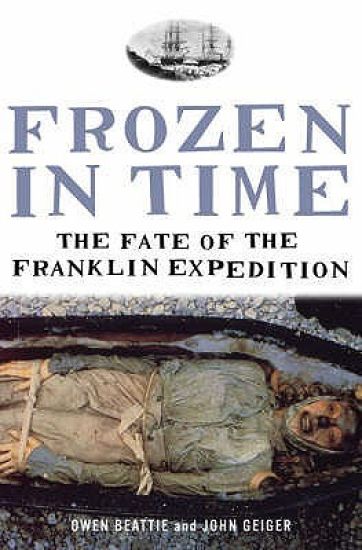
The Franklin expedition was not alone in suffering early and unexplained deaths. Indeed, both Back (1837) and Ross (1849) suffered early onset of unaccountable "debility" aboard ship and Ross suffered greater fatalities during his single winter in the Arctic than did Franklin during his first. Both expeditions were forced to retreat because of the rapacious illness that stalked their ships. Frozen in Time makes the case that this illness (starting with the Back expedition) was due to the crews' overwhelming reliance on a new technology, namely tinned foods. This not only exposed the seamen to lead, an insidious poison - as has been demonstrated in Franklin's case by Dr. Beattie's research - but it also left them vulnerable to scurvy, the ancient scourge of seafarers which had been thought to have been largely cured in the early years of the nineteenth century. Fully revised, Frozen in Time will update the research outlined in the original edition, and will introduce independent confirmation of Dr. Beattie's lead hypothesis, along with corroboration of his discovery of physical evidence for both scurvy and cannibalism. In addition, the book includes a new introduction written by Margaret Atwood, who has long been fascinated by the role of the Franklin Expedition in Canada's literary conscience, and has made a pilgrimage to the site of the Franklin Expedition graves on Beechey Island.