Kirjailija
John Greenleaf Whittier
Kirjat ja teokset yhdessä paikassa: 644 kirjaa, julkaisuja vuosilta 1910-2026, suosituimpien joukossa The Poetical Works of John Greenleaf Whittier. Vertaile teosten hintoja ja tarkista saatavuus suomalaisista kirjakaupoista.
644 kirjaa
Kirjojen julkaisuhaarukka 1910-2026.

The Frost Spirit; Worship of Nature
John Greenleaf Whittier; Louis K 1850-1913 Harlow
Hutson Street Press
2025
sidottu

The Frost Spirit and Other Poems of Nature (Esprios Classics)
John Greenleaf Whittier
Blurb
2025
pokkari
John Greenleaf Whittier (1807-1892) was an influential American Quaker poet and ardent advocate of the abolition of slavery in the United States. Although he received little formal education, he was an avid reader who studied his father's six books on Quakerism until their teachings became the foundation of his ideology. He was heavily influenced by the doctrines of his religion, particularly its stress on humanitarianism, compassion, and social responsibility. First introduced to poetry by a teacher, Whittier published his first poem in 1826 in William Lloyd Garrison's Newburyport Free Press. In June of 1833, he published the antislavery pamphlet Justice and Expediency, and from there dedicated the next twenty years of his life to the abolitionist cause. He was editor of The National Era; one of the most influential abolitionist newspapers in the North.
Narrative and Legendary Poems Among the Hills and Others (Esprios Classics)
John Greenleaf Whittier
Blurb
2025
pokkari
John Greenleaf Whittier (1807-1892) was an influential American Quaker poet and ardent advocate of the abolition of slavery in the United States. Although he received little formal education, he was an avid reader who studied his father's six books on Quakerism until their teachings became the foundation of his ideology. He was heavily influenced by the doctrines of his religion, particularly its stress on humanitarianism, compassion, and social responsibility. First introduced to poetry by a teacher, Whittier published his first poem in 1826 in William Lloyd Garrison's Newburyport Free Press. In June of 1833, he published the antislavery pamphlet Justice and Expediency, and from there dedicated the next twenty years of his life to the abolitionist cause. He was editor of The National Era; one of the most influential abolitionist newspapers in the North.
John Greenleaf Whittier (1807-1892) was an influential American Quaker poet and ardent advocate of the abolition of slavery in the United States. Although he received little formal education, he was an avid reader who studied his father's six books on Quakerism until their teachings became the foundation of his ideology. He was heavily influenced by the doctrines of his religion, particularly its stress on humanitarianism, compassion, and social responsibility. First introduced to poetry by a teacher, Whittier published his first poem in 1826 in William Lloyd Garrison's Newburyport Free Press. In June of 1833, he published the antislavery pamphlet Justice and Expediency, and from there dedicated the next twenty years of his life to the abolitionist cause. He was editor of The National Era; one of the most influential abolitionist newspapers in the North.
John Greenleaf Whittier (1807-1892) was an influential American Quaker poet and ardent advocate of the abolition of slavery in the United States. Although he received little formal education, he was an avid reader who studied his father's six books on Quakerism until their teachings became the foundation of his ideology. He was heavily influenced by the doctrines of his religion, particularly its stress on humanitarianism, compassion, and social responsibility. First introduced to poetry by a teacher, Whittier published his first poem in 1826 in William Lloyd Garrison's Newburyport Free Press. In June of 1833, he published the antislavery pamphlet Justice and Expediency, and from there dedicated the next twenty years of his life to the abolitionist cause. He was editor of The National Era; one of the most influential abolitionist newspapers in the North.
John Greenleaf Whittier (1807-1892) was an influential American Quaker poet and ardent advocate of the abolition of slavery in the United States. Although he received little formal education, he was an avid reader who studied his father's six books on Quakerism until their teachings became the foundation of his ideology. He was heavily influenced by the doctrines of his religion, particularly its stress on humanitarianism, compassion, and social responsibility. First introduced to poetry by a teacher, Whittier published his first poem in 1826 in William Lloyd Garrison's Newburyport Free Press. In June of 1833, he published the antislavery pamphlet Justice and Expediency, and from there dedicated the next twenty years of his life to the abolitionist cause. He was editor of The National Era; one of the most influential abolitionist newspapers in the North.
John Greenleaf Whittier (1807-1892) was an influential American Quaker poet and ardent advocate of the abolition of slavery in the United States. Although he received little formal education, he was an avid reader who studied his father's six books on Quakerism until their teachings became the foundation of his ideology. He was heavily influenced by the doctrines of his religion, particularly its stress on humanitarianism, compassion, and social responsibility. First introduced to poetry by a teacher, Whittier published his first poem in 1826 in William Lloyd Garrison's Newburyport Free Press. In June of 1833, he published the antislavery pamphlet Justice and Expediency, and from there dedicated the next twenty years of his life to the abolitionist cause. He was editor of The National Era; one of the most influential abolitionist newspapers in the North.
John Greenleaf Whittier (1807-1892) was an influential American Quaker poet and ardent advocate of the abolition of slavery in the United States. Although he received little formal education, he was an avid reader who studied his father's six books on Quakerism until their teachings became the foundation of his ideology. He was heavily influenced by the doctrines of his religion, particularly its stress on humanitarianism, compassion, and social responsibility. First introduced to poetry by a teacher, Whittier published his first poem in 1826 in William Lloyd Garrison's Newburyport Free Press. In June of 1833, he published the antislavery pamphlet Justice and Expediency, and from there dedicated the next twenty years of his life to the abolitionist cause. He was editor of The National Era; one of the most influential abolitionist newspapers in the North.
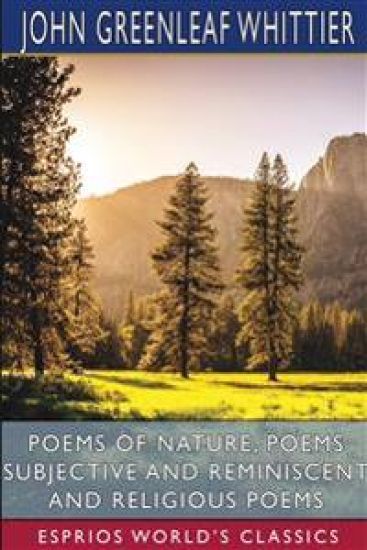
Poems of Nature, Poems Subjective and Reminiscent and Religious Poems (Esprios Classics)
John Greenleaf Whittier
Blurb
2025
pokkari
John Greenleaf Whittier (1807-1892) was an influential American Quaker poet and ardent advocate of the abolition of slavery in the United States. Although he received little formal education, he was an avid reader who studied his father's six books on Quakerism until their teachings became the foundation of his ideology. He was heavily influenced by the doctrines of his religion, particularly its stress on humanitarianism, compassion, and social responsibility. First introduced to poetry by a teacher, Whittier published his first poem in 1826 in William Lloyd Garrison's Newburyport Free Press. In June of 1833, he published the antislavery pamphlet Justice and Expediency, and from there dedicated the next twenty years of his life to the abolitionist cause. He was editor of The National Era; one of the most influential abolitionist newspapers in the North.
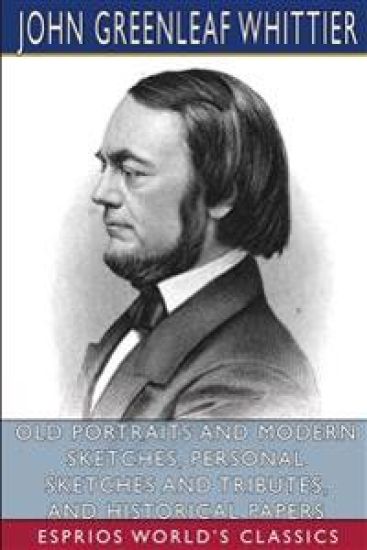
Old Portraits and Modern Sketches, Personal Sketches and Tributes, and Historical Papers (Esprios Classics)
John Greenleaf Whittier
Blurb
2025
pokkari